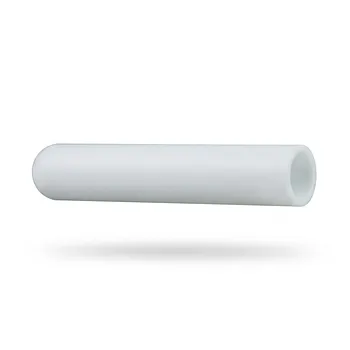
PTFE capillary tubing is defined by an exceptionally low coefficient of friction, typically between 0.05 and 0.10, and a highly hydrophobic surface. These properties minimize fluid drag, prevent the accumulation of particulates or viscous matter, and ensure dimensional stability because the material absorbs less than 0.01% water.
PTFE’s unique combination of low surface energy and a friction profile comparable to ice on ice allows for near-lossless fluid transport and highly efficient mechanical sealing. It remains a gold standard for systems requiring chemical inertness and minimal boundary-layer interference.
Fluid Dynamics and Surface Interaction
Exceptional Low-Friction Performance
PTFE possesses a coefficient of friction between 0.05 and 0.10, which is among the lowest of any solid material. This "self-lubricating" quality minimizes drag and allows fluids to move through small-diameter capillaries with significantly reduced resistance.
Hydrophobicity and Dimensional Stability
With a water contact angle between 100° and 110°, PTFE is naturally hydrophobic. This high contact angle creates negative capillary pressure for aqueous solutions, effectively repelling water and preventing the tubing from swelling or changing shape during operation.
Non-Stick and Anti-Fouling Surface
The low surface energy of the material prevents the buildup of viscous or particulate matter. This ensures that the inner diameter of the capillary remains consistent over time, reducing the risk of clogs in precision fluid-handling systems.
Mechanical and Sealing Advantages
Efficient Torque Conversion
During the installation of fluid connectors, the low-friction surface helps minimize torque loss. This ensures that the energy applied during tightening is efficiently converted into the compressive force required to create a secure, leak-proof seal.
Surface Precision and Finish
High-quality PTFE capillaries are manufactured with a smooth surface finish, often with a roughness (Ra) of less than 0.2 µm. This microscopic smoothness is critical for maintaining uniform flow and preventing the formation of weak spots in the tubing wall.
Chemical and Thermal Inertness
The carbon-fluorine bonds in PTFE provide extreme resistance to a wide range of chemicals, including fuels and hydraulic fluids. The material remains stable across a massive temperature range, from –200 °C to +260 °C, though its mechanical strength varies across this spectrum.
Understanding the Trade-offs
Mechanical Creep and Cold Flow
While PTFE is thermally stable, it is susceptible to "cold-flow" or creep under sustained mechanical loads. This means the material can slowly deform over time, especially when temperatures exceed 100 °C, potentially compromising seals or tube shape.
High-Pressure Limitations
Due to its inherent flexibility and susceptibility to deformation, unreinforced PTFE tubing may struggle in high-pressure service. At elevated temperatures and pressures, it often requires external support or metallic braiding to maintain structural integrity.
Chemical Vulnerabilities
Despite its reputation for inertness, PTFE is not universal. It can be attacked by molten alkali metals and specific, extreme fluorinating agents, which can degrade the polymer structure and lead to system failure.
Applying PTFE Properties to Your System
How to Select Based on Your Project Goals
- If your primary focus is flow precision: Prioritize tubing with high concentricity (95%+) and a low surface roughness (Ra < 0.2 µm) to minimize boundary-layer drag.
- If your primary focus is longevity in harsh environments: Utilize PTFE’s chemical inertness for fuel or hydraulic lines, but ensure you account for thermal cycling between -55 °C and +150 °C.
- If your primary focus is high-pressure stability: Supplement the capillary tubing with external braiding or support to mitigate the effects of mechanical creep and potential bursting.
By leveraging PTFE’s ultra-low friction and hydrophobic nature, you can achieve a level of fluid-handling efficiency and cleanliness that is unattainable with standard polymers.
Summary Table:
| Property | Specification | Operational Advantage |
|---|---|---|
| Coefficient of Friction | 0.05 – 0.10 | Reduces fluid drag and torque loss in connectors |
| Water Contact Angle | 100° – 110° | Hydrophobic surface prevents swelling and fouling |
| Water Absorption | < 0.01% | Ensures high dimensional stability during use |
| Temperature Range | -200°C to +260°C | Maintains integrity in extreme thermal environments |
| Surface Roughness (Ra) | < 0.2 µm | Microscopic smoothness ensures uniform flow |
| Chemical Resistance | Universal (except alkali metals) | Long-term durability in aggressive media |
Optimize Your Fluid-Handling Systems with KINTEK’s Fluoropolymer Solutions
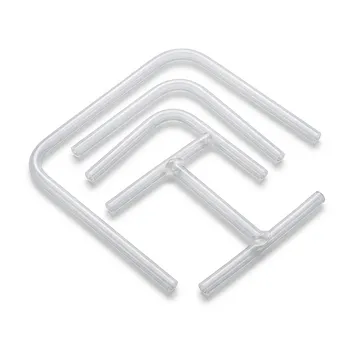
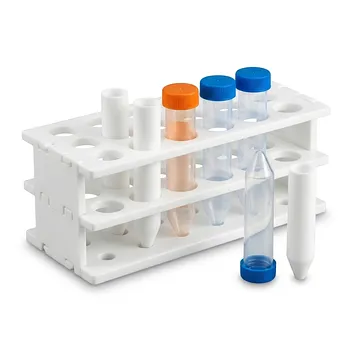
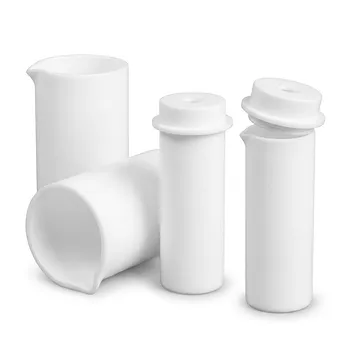
At KINTEK, we specialize in the absolute focus on high-performance fluoropolymer materials, providing the reliability your lab demands. From everyday basic labware like beakers, crucibles, and centrifuge tubes to comprehensive fluid transfer components—including high-precision PTFE and PFA tubing, fittings, and valves—our products ensure near-lossless transport and chemical inertness.
Beyond standard consumables like stirring bars and filters, KINTEK offers advanced derivative apparatus such as custom electrochemical cells, battery testing fixtures, and microwave digestion vessels. Backed by our end-to-end custom CNC fabrication, we deliver everything from complex non-standard machined parts to high-volume orders tailored to your specific requirements.
Ready to upgrade your laboratory setup? Contact us today to discover how our bespoke fluoropolymer engineering can enhance your research precision!
Related Products
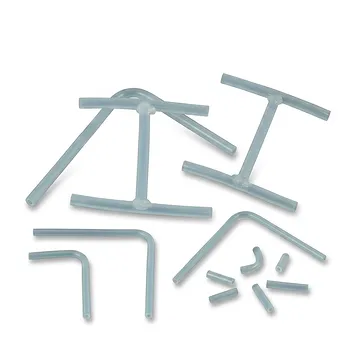
- High Performance PFA Coiled Spring Tubing and Custom PTFE Fabrication Services with Welded Fittings and Precision Bent Components
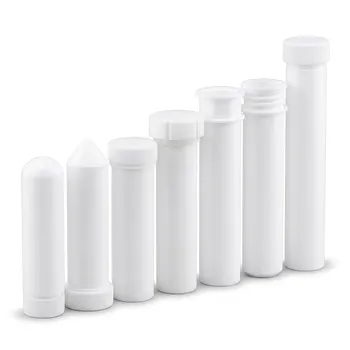
- Custom High Purity PTFE Digestion Tubes and Centrifuge Tubes for Trace Metal Analysis
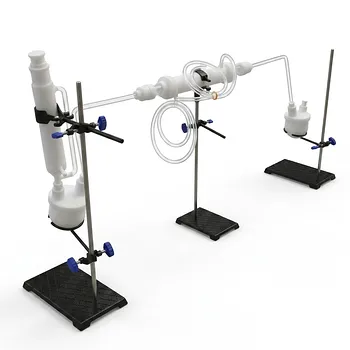
- Custom PTFE Condenser Tube Hydrofluoric Acid Resistant Reflux Device Constant Pressure Separatory Funnel
- High Purity PTFE Digestion Tubes and Custom Centrifuge Tubes 100ml for Trace Analysis and Chemical Digestion
- Custom PTFE Condenser Tube Reflux Reaction Condensation Purification Device Semiconductor Chemical Lab Equipment
People Also Ask
- What are the technical advantages of high-precision PFA tubing in MXene production? Maximize Purity and Yield.
- What technical advantages do PFA tubing and fittings offer? Master Precision Fluid Transfer and Flow Chemistry
- What are the technical advantages of high-quality PFA tubing? Achieve Ultimate Purity and Precision in Fluid Handling
- What are the key benefits of PTFE in custom fabrication? Unlock Performance in Extreme Conditions
- What fabrication services are available for PTFE? Shearing, Stamping, Laser Cutting, Molding & Machining