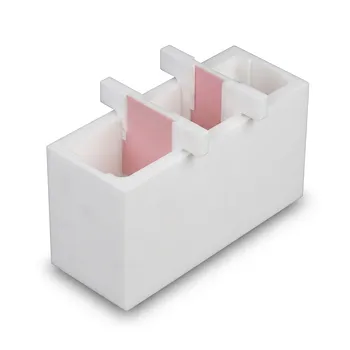
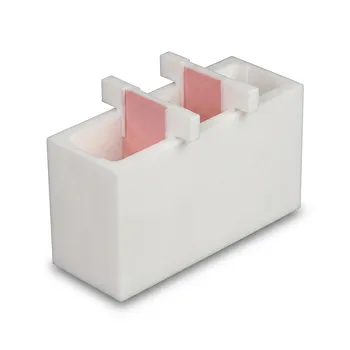
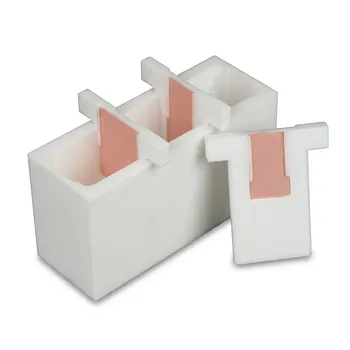
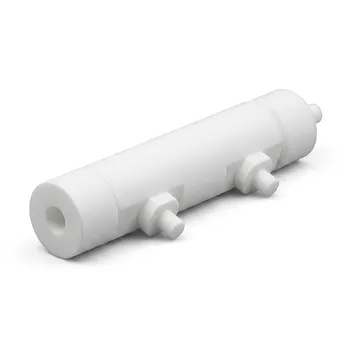
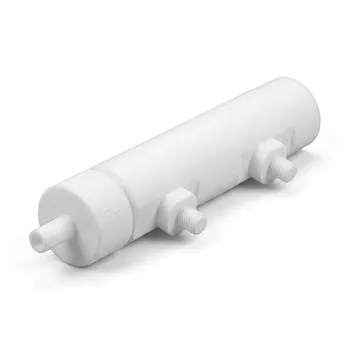
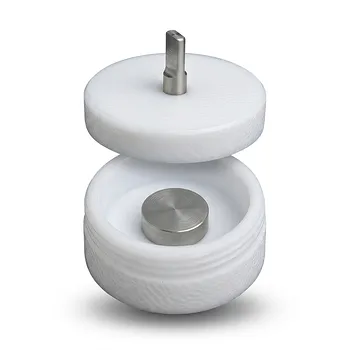
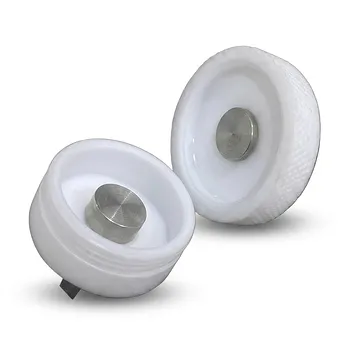
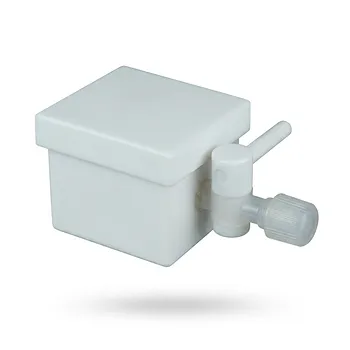
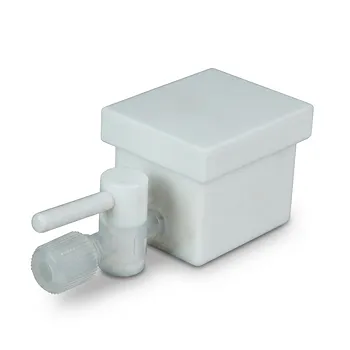
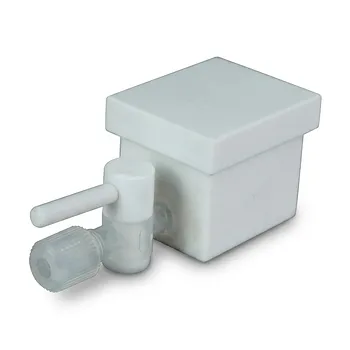
Designing an effective electrochemical cell for graphene exfoliation requires a rigorous three-electrode configuration and high-performance materials to ensure uniform ion intercalation. At its core, the cell must facilitate precise current distribution to weaken Van der Waals forces within the graphite precursor while maintaining structural integrity through corrosion-resistant housing like PTFE.
Core Takeaway: To produce high-quality graphene hybrids, an electrochemical cell must provide a stable environment for controlled ion insertion, utilizing a three-electrode system and specialized materials to prevent structural defects and impedance interference.
The Architecture of the Electrode System
The Necessity of a Three-Electrode Configuration
A standard exfoliation cell must utilize a working electrode (typically a graphite rod), a counter electrode (such as platinum wire), and a reference electrode (like Ag/AgCl). This configuration allows for precise control over the electrochemical potential, which is critical for regulating the rate of ion insertion.
Achieving Uniform Current Distribution
The physical arrangement of these electrodes must ensure uniform current distribution across the entire surface of the graphite. Non-uniformity leads to localized over-heating and uneven exfoliation, resulting in high defect density and inconsistent layer counts in the final hybrid material.
Secure Clamping and Sealing Mechanisms
The cell must incorporate a stable electrode clamping mechanism to maintain a fixed distance between electrodes throughout the process. A rigorous seal is also vital to prevent electrolyte evaporation and ensure the reference system does not drift during extended synthesis cycles.
Material Selection and Environmental Control
Corrosion Resistance for Acidic Environments
When synthesizing hybrid materials in acidic electrolytes, the cell body must be constructed from PTFE (polytetrafluoroethylene) or high-purity fluoropolymers. These materials offer the necessary chemical inertness to withstand harsh reagents without leaching contaminants into the graphene.
Management of Gas Evolution
During exfoliation, gas bubbles often form at the electrode surface, which can increase impedance and disrupt the exfoliation process. The cell design should facilitate rapid bubble detachment, ensuring that the "flash" graphene surface remains in constant contact with the electrolyte.
Minimizing Impedance Interference
By optimizing the geometry of the cell and the placement of the electrodes, designers can minimize the ohmic drop (i.e., IR drop). This ensures that the applied voltage is actually driving the intercalation process rather than being lost to resistance within the electrolyte.
Understanding the Trade-offs and Pitfalls
Complexity vs. Scalability
While a three-electrode system provides the highest precision, it increases the complexity of the cell design compared to a simple two-electrode setup. Scaling this precision to industrial volumes often requires sophisticated power management and larger, more expensive platinum counter electrodes.
Stability vs. Accessibility
Highly sealed PTFE cells provide excellent stability for long-term tests but can be difficult to clean or modify between experiments. There is a constant tension between creating a perfectly isolated environment and one that allows for the rapid swapping of hybrid precursors or electrolyte samples.
The Cost of High-Purity Components
Using high-purity fluoropolymers and precious metal electrodes significantly increases the initial investment. However, cutting corners on material quality often leads to electrode fouling and batch-to-batch inconsistency in the graphene hybrid's properties.
How to Optimize Your Cell Design
To achieve the best results with your electrochemical exfoliation setup, tailor your cell design to your specific output requirements.
- If your primary focus is high-quality, low-defect graphene: Prioritize a three-electrode setup with a high-precision Ag/AgCl reference electrode to maintain strict potential control.
- If your primary focus is long-term stability and hybrid consistency: Focus on a PTFE-constructed cell with a rigorous sealing mechanism to prevent reference drift and electrolyte contamination.
- If your primary focus is high-throughput production: Implement a design that maximizes electrode surface area and incorporates an active mechanism for rapid gas bubble detachment.
A well-designed electrochemical cell is the bridge between raw graphite and the high-performance graphene hybrids required for modern technical applications.
Summary Table:
| Design Element | Key Requirement | Main Benefit |
|---|---|---|
| Electrode Setup | Three-Electrode Configuration | Precise potential control & stable ion insertion |
| Housing Material | High-purity PTFE / Fluoropolymers | Corrosion resistance & zero chemical leaching |
| Current Flow | Uniform Surface Distribution | Reduced defect density & consistent layer counts |
| Sealing System | Rigorous Clamping & Seals | Prevents electrolyte evaporation & reference drift |
| Gas Management | Rapid Bubble Detachment | Lower impedance & continuous electrolyte contact |
Elevate Your Research with KINTEK’s High-Performance Lab Solutions
Precision in graphene exfoliation starts with the right equipment. KINTEK specializes in manufacturing a comprehensive range of laboratory supplies crafted from high-performance PTFE and PFA, ensuring your electrochemical cells and reaction environments withstand the harshest reagents.
From everyday basic labware like beakers, crucibles, and reagent bottles to advanced standard or custom electrochemical cells, battery testing fixtures, and microwave digestion vessels, our end-to-end custom CNC fabrication delivers exactly what your research demands. Whether you need high-volume consumables like O-rings, stirring bars, and tubing or complex, bespoke machined parts for fluid transfer and sample prep, we maintain an absolute focus on high-performance fluoropolymer materials to eliminate contamination.
Ready to optimize your lab setup for superior results? Contact us today to discuss your custom project or high-volume needs with our expert team!
References
- Ghazaleh Ramezani, Ion Stiharu. Novel In-Situ Synthesis Techniques for Cellulose-Graphene Hybrids: Enhancing Electrical Conductivity for Energy Storage Applications. DOI: 10.21926/rpm.2501004
This article is also based on technical information from Kintek Knowledge Base .
Related Products
- Corrosion Resistant PTFE Electrochemical Cell for New Energy Research Inert Insulating Customizable Lab Reaction Vessel
- Square PTFE Electrochemical Cell for Silicon Wafer Processing and Hydrofluoric Acid Resistance in Semiconductor and New Energy Research
- White PTFE Electrolytic Cell with Movable Slider and Insulated Lid for Fluorine Corrosion Resistance
- Custom PTFE Reaction Box Opaque White Square Electrochemical Cell Tank
- Custom PTFE Electrolytic Cell Corrosion Resistant Low Background Reaction Vessel with Inlet Outlet Ports
People Also Ask
- How do custom PTFE electrochemical cells improve the accuracy of stability testing for alkaline catalysts compared to glass cells?
- How does the hydrophobicity of PTFE benefit electrochemical measurements? Enhance Stability and Precision in Your Lab
- What makes PTFE an ideal construction material for custom electrochemical cells and electronic analytical instrumentation housings? Discover superior chemical resistance and electrical insulation
- Why must seawater electrolysis test cells have high corrosion resistance? Protect catalyst stability & data accuracy.
- What are the key steps for structural integrity in molded PTFE lab reaction vessels? Master fine powder processing.