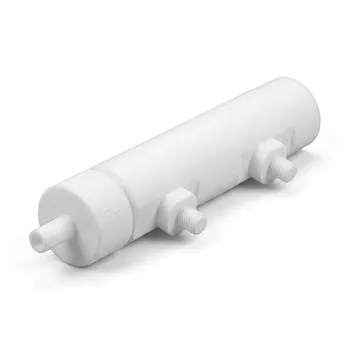
Optimizing an electrochemical cell for Lamotrigine detection requires a focus on material purity and geometric precision. The design must prioritize a fixed spatial arrangement of the three-electrode system, stable fluid dynamics, and the use of corrosion-resistant fluoropolymers like high-purity PFA. These elements collectively minimize background noise and ensure the high signal-to-noise ratio necessary for sensitive Linear Sweep Voltammetry (LSV) measurements in trace detection.
To achieve reliable Lamotrigine detection, the electrochemical cell must act as a controlled, ultra-pure environment that eliminates external variables. By stabilizing the electrode interface and preventing material leaching, the system ensures that the measured current reflects only the target analyte's behavior.
Material Integrity and Environmental Purity
Reducing Electrochemical Background Noise
The use of high-purity PFA (perfluoroalkoxy) for the cell body and cover is essential for sensitive trace analysis. Unlike standard plastics or lower-grade materials, PFA does not leach contaminants into the electrolyte, which maintains an ultra-pure environment. This purity is the primary factor in reducing electrochemical background noise, allowing the LSV signal for Lamotrigine to stand out clearly.
Resistance to Electrolyte Corrosion
Lamotrigine detection may involve complex electrolytes or varying pH levels that can be chemically aggressive. Utilizing fluoropolymers like PFA or PTFE ensures the cell remains resistant to corrosion and chemical degradation. This longevity prevents structural failure and ensures that the cell does not introduce metal ions or organic impurities into the solution over time.
Geometric and Fluidic Stability
Ensuring Fixed Spatial Arrangement
Precision machining of the cell and electrode holders is required to maintain a fixed spatial arrangement of the working, reference, and counter electrodes. If the distance between these electrodes shifts even slightly, the ohmic drop (iR drop) and liquid junction potentials will fluctuate. Fixed positioning ensures that the potential sweep in LSV remains consistent across multiple tests.
Maintaining Stable Fluid Dynamics
The cell must be designed to ensure stable fluid dynamics and uninterrupted ion mass transfer. Proper sealing and standardized interfaces prevent the evaporation of the electrolyte, which would otherwise change the concentration and affect the accuracy of the detection. This stability is critical for maintaining a uniform environment around the working electrode during the voltage sweep.
Understanding the Trade-offs
Material Cost vs. Detection Sensitivity
While PFA and PTFE offer superior purity and resistance, they are significantly more expensive and difficult to machine than glass or standard polymers. Choosing a lower-cost material may be sufficient for high-concentration testing, but it will likely introduce interference and noise that can obscure the signal in trace-level Lamotrigine detection.
Design Complexity vs. Ease of Use
A cell with multiple standard interfaces and airtight seals provides the best stability, but it can increase the complexity of assembly and cleaning. Over-engineering the sealing mechanism can make it difficult to quickly swap electrodes, though this is often a necessary trade-off to ensure that the electrolyte concentration remains constant throughout long-duration experiments.
How to Apply This to Your Project
Implementation Recommendations
- If your primary focus is maximum sensitivity for trace amounts: Utilize a cell body constructed entirely of high-purity PFA to minimize the electrochemical baseline.
- If your primary focus is experimental repeatability: Use precision-machined electrode holders to ensure the geometric distance between electrodes never varies between trials.
- If your primary focus is chemical versatility: Opt for fluoropolymer components (PFA/PTFE) and high-quality seals to ensure compatibility with both acidic and alkaline electrolytes.
By strictly controlling the material purity and electrode geometry, you can transform the electrochemical cell from a simple container into a high-precision analytical tool.
Summary Table:
| Design Priority | Key Feature | Impact on LSV Accuracy |
|---|---|---|
| Material Purity | High-purity PFA Body | Minimizes background noise & prevents leaching. |
| Geometric Precision | Fixed Electrode Spacing | Ensures stable iR drop & repeatable potential sweeps. |
| Fluidic Stability | Airtight Sealing | Prevents electrolyte evaporation & concentration shifts. |
| Chemical Resistance | Fluoropolymer Construction | Resists corrosion from aggressive detection electrolytes. |
Elevate Your Trace Detection with KINTEK’s High-Performance Fluoropolymers
Precision in Lamotrigine detection demands materials that never compromise your results. At KINTEK, we specialize exclusively in high-performance fluoropolymers, providing the ultra-pure environment necessary for sensitive electrochemical analysis.
Whether you need everyday basic labware like PFA beakers, crucibles, and reagent bottles, or specialized tools such as high-purity trace analysis instruments and filtration tools, we have you covered. Our expertise extends to advanced bespoke electrochemical cells, battery testing fixtures, and microwave digestion vessels, all crafted with end-to-end custom CNC fabrication.
Why choose KINTEK?
- Absolute Purity: Virtually eliminate background noise with our premium PTFE and PFA components.
- Custom Engineering: From complex non-standard machined parts to high-volume orders, we build to your exact geometric specifications.
- Complete Solutions: We supply everything from fluid transfer components (tubing, valves) to sample prep tools (pipettes, tweezers).
Ensure your lab is equipped for excellence. Contact our fluoropolymer experts today to discuss your custom electrochemical cell design or to browse our full catalog of high-performance lab supplies.
References
- Lina Hristova, María del Pozo. Optical Sensor Based on WS<sub>2</sub> Quantum Dots for Lamotrigine Determination. DOI: 10.1021/acsomega.4c09476
This article is also based on technical information from Kintek Knowledge Base .
Related Products
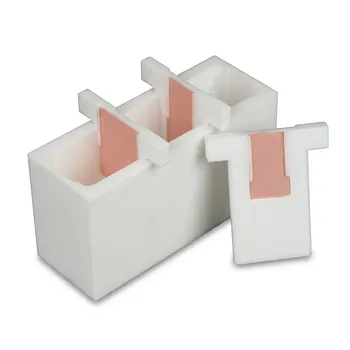
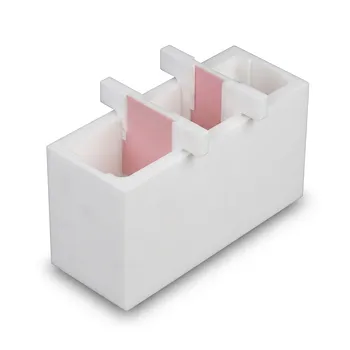
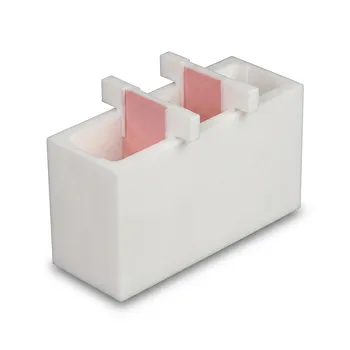
- White PTFE Electrolytic Cell with Movable Slider and Insulated Lid for Fluorine Corrosion Resistance
- Corrosion Resistant PTFE Electrochemical Cell for New Energy Research Inert Insulating Customizable Lab Reaction Vessel
- Square PTFE Electrochemical Cell for Silicon Wafer Processing and Hydrofluoric Acid Resistance in Semiconductor and New Energy Research
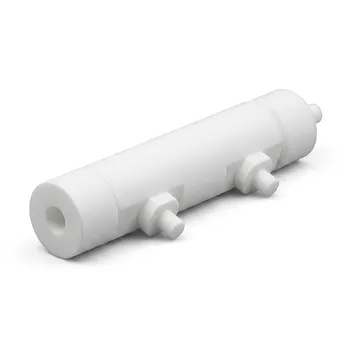
- Custom PTFE Electrolytic Cell Corrosion Resistant Low Background Reaction Vessel with Inlet Outlet Ports
- High Purity Custom PTFE Reaction Cell Electrolytic Tank for Semiconductor and Polysilicon Industrial Applications
People Also Ask
- How do custom PTFE electrochemical cells improve the accuracy of stability testing for alkaline catalysts compared to glass cells?
- How does the hydrophobicity of PTFE benefit electrochemical measurements? Enhance Stability and Precision in Your Lab
- How are electrolytic cells utilized in the Hall-Héroult process? Optimizing Purity and Energy Efficiency
- What are the primary components required for the construction of a standard electrolytic cell? Essential Hardware Guide
- How is current efficiency calculated in the context of an electrolytic cell? Formula and Optimization Guide