PTFE (Polytetrafluoroethylene) is the premier choice for chemical resistance in industrial sealing due to its near-total chemical inertness. It withstands attack from almost all acids, bases, and organic solvents across the entire pH range of 0 to 14. This stability persists in extreme environments at temperatures reaching approximately 260°C, ensuring seal integrity where most elastomers would fail.
Core Takeaway: PTFE’s chemical resistance is rooted in its exceptionally strong molecular bonds, making it a "universal" sealing material that prevents equipment corrosion and process contamination in the most aggressive industrial environments.
The Molecular Foundation of Inertness
The Power of Carbon-Fluorine Bonds
The chemical stability of PTFE is a direct result of the carbon-fluorine (C-F) bond, which is one of the strongest in organic chemistry. These bonds are so stable they require immense energy to break, meaning most industrial chemicals cannot initiate a reaction with the material.
The Fluorine Shielding Effect
In a PTFE molecule, large fluorine atoms form a tight, protective sheath around the carbon backbone. This shielding effect physically prevents aggressive molecules from reaching the carbon chain, acting as a molecular suit of armor against corrosive attack.
Non-Porous and Non-Leaching Surface
PTFE features a non-porous surface that minimizes the absorption of process fluids. Because it is chemically inactive, it does not leach contaminants into the media, which is critical for maintaining the purity of sensitive pharmaceutical or food-grade products.
Operational Performance in Aggressive Media
Universal pH Resistance
Unlike many sealing materials that are specialized for either acidic or basic environments, PTFE is effective across the full pH scale (0-14). This allows engineers to use a single material specification for diverse chemical streams, simplifying inventory and reducing the risk of material substitution errors.
Thermal Stability in Corrosive Environments
Chemical reactions typically accelerate as temperature increases, yet PTFE remains stable up to 260°C. This high thermal ceiling allows it to maintain its sealing properties in high-heat chemical reactors and steam-cleaned processing lines.
Resistance to Solvents and Oxidation
PTFE is virtually insoluble in all known solvents below its melting point. It is also highly resistant to oxidation and UV degradation, ensuring that seals do not become brittle or lose elasticity when exposed to harsh outdoor or oxygen-rich environments.
Understanding the Trade-offs and Vulnerabilities
Highly Reactive Chemical Exceptions
While nearly universal, PTFE is not invincible and can be attacked by molten alkali metals (such as sodium and potassium). It is also susceptible to specific fluorinating agents, including chlorine trifluoride and oxygen difluoride, which can break the polymer's bonds.
Impact of High Pressure and Temperature
The vulnerability to certain chemicals, such as gaseous fluorine, increases significantly under high pressure and temperature. In these specific "extreme-of-the-extreme" cases, the chemical energy can overcome the C-F bond strength, leading to material degradation.
Mechanical Limitations
While chemically superior, PTFE is a thermoplastic, not an elastomer, meaning it does not have the same "bounce back" as rubber. It is prone to "creep" or cold flow under heavy loads, which must be managed through proper seal design or the use of fillers like glass or carbon.
Making the Right Choice for Your Goal
How to Apply This to Your Project
To maximize the benefits of PTFE's chemical resistance, align your material selection with your specific operational priorities:
- If your primary focus is Pharmaceutical Purity: Utilize virgin PTFE to leverage its non-leaching and non-porous characteristics, ensuring zero cross-contamination between batches.
- If your primary focus is High-Concentration Acids: Trust PTFE as your primary sealing element, as it remains unaffected by even the most aggressive mineral and organic acids.
- If your primary focus is Preventing Mechanical Creep: Select a "filled" PTFE compound (e.g., glass or carbon-filled) to maintain chemical resistance while improving structural stability under pressure.
- If your primary focus is Extreme Fluorinating Agents: Consult with a technical specialist to evaluate alternative materials, as standard PTFE may fail in the presence of pressurized fluorine gas or chlorine trifluoride.
By understanding the molecular strength and the rare vulnerabilities of PTFE, you can implement sealing solutions that ensure long-term reliability and safety in any corrosive environment.
Summary Table:
| Feature | Performance Characteristic | Industrial Benefit |
|---|---|---|
| Chemical Range | pH 0 to 14 (Full spectrum) | Resists almost all acids, bases, and solvents. |
| Thermal Limit | Stable up to approx. 260°C | Maintains seal integrity in high-heat reactors. |
| Molecular Bond | High-energy Carbon-Fluorine (C-F) | Prevents molecular breakdown in aggressive media. |
| Surface Type | Non-porous and Non-leaching | Eliminates process contamination in pharma/food. |
| UV/Oxidation | Virtually 100% Resistant | Ensures long-term durability in outdoor environments. |
Elevate Your Lab Performance with KINTEK’s Fluoropolymer Excellence
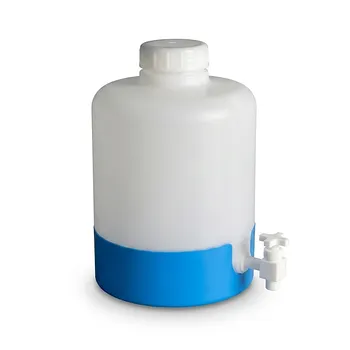
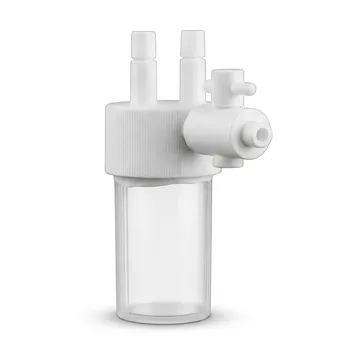
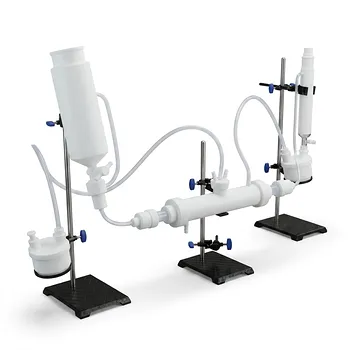
Maximize the reliability of your chemical processes with KINTEK, your premier partner for high-performance PTFE and PFA solutions. From everyday basic labware like beakers, crucibles, and reagent bottles to advanced fluid transfer components and high-purity trace analysis instruments, we provide the chemical inertness your project demands.
Why choose KINTEK?
- Comprehensive Range: Everything from stir bars and filtration tools to complex electrochemical cells and microwave digestion vessels.
- Custom Precision: Our end-to-end custom CNC fabrication allows us to deliver bespoke non-standard parts and complex laboratory setups tailored to your exact specifications.
- Scalable Solutions: We handle everything from high-volume industrial orders to specialized research prototypes with an absolute focus on fluoropolymer quality.
Don’t let material failure compromise your results. Contact our technical experts today to discuss your custom fabrication needs and secure the ultimate in chemical resistance!
Related Products
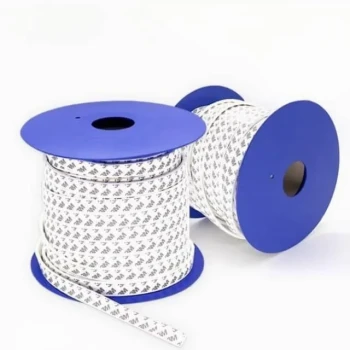
- Custom PTFE Sealing Tapes for Industrial and High Tech Applications
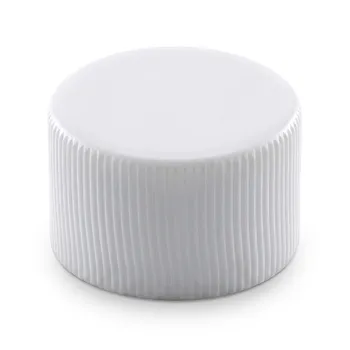
- Custom PTFE Sealing Caps and Corrosion Resistant Low Background Teflon Adapters
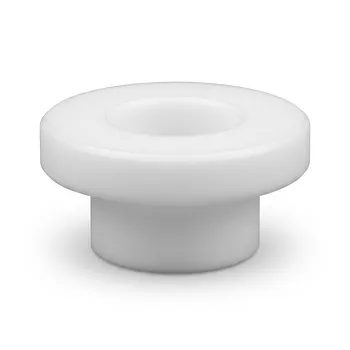
- Custom PTFE Insulating Gaskets and Corrosion Resistant Fluoropolymer Seals for Industrial Electrical Applications
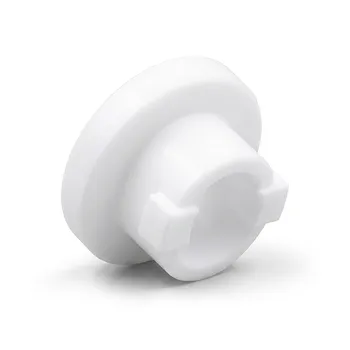
- Custom PTFE Insulating Gaskets Corrosion Resistant Teflon Seals Tailored Engineering Plastic Components
- Customizable High Temperature Resistant Anti Static PTFE Insulating Gaskets Flame Retardant Corrosion Proof Industrial Seals
People Also Ask
- How are custom PTFE parts used in the automotive sector? Enhance Vehicle Performance & Durability
- Why is PTFE's temperature stability important for sealing applications? Ensure Leak-Proof Performance from -200°C to 260°C
- Why is PTFE popular in the oil and gas industry? Withstand Extreme Heat, Pressure & Corrosion
- What is PTFE and why is it used for seals? The Ultimate Guide to High-Performance Sealing
- What are the key benefits of using PTFE for seals? Unlock Superior Performance in Extreme Conditions