High-purity Platinum (Pt) plates are used as counter electrodes because they provide exceptional chemical stability and high electrical conductivity in harsh alkaline environments. Their primary advantage is their ability to maintain electrochemical inertness, ensuring that the measured current and capacity data originate solely from the NiS/CoS active material rather than from side reactions or electrode degradation.
Use of a Platinum plate ensures the integrity of electrochemical data by preventing parasitic redox reactions and metal dissolution. This allows for the precise determination of the intrinsic performance and specific capacity of the active material being tested.
Chemical Stability and Inertness
Resistance to Corrosion in Alkaline Media
Platinum exhibits exceptional chemical stability when used in strong alkaline electrolytes like potassium hydroxide (KOH), which are standard for NiS/CoS testing. Unlike less noble metals, it does not undergo chemical dissolution or corrosion even at the high concentrations (e.g., 2M to 6M KOH) required for high-performance supercapacitor analysis.
Prevention of Metal Ion Leaching
Because high-purity Platinum is chemically inert, it prevents the release of metal impurities into the electrolyte. This is critical for NiS/CoS electrodes, as the introduction of foreign ions could catalyze unwanted reactions or artificially inflate the measured capacitance.
Stable Voltage Window
Platinum maintains a wide window of stability, meaning it does not produce interfering redox peaks within the tested potential range. This ensures that the cyclic voltammetry (CV) and galvanostatic charge-discharge (GCD) curves truthfully reflect the behavior of the working electrode.
Electrochemical Precision and Reliability
High Overpotential for Side Reactions
The primary reference notes that Platinum possesses a high overpotential for hydrogen and oxygen evolution reactions in specific contexts. This characteristic helps prevent these gas-evolving side reactions from consuming current that would otherwise be attributed to the active material's redox processes.
Minimized Electrode Polarization
Platinum's superior catalytic activity and electrical conductivity ensure that the counter electrode does not become the rate-limiting step in the three-electrode system. This minimizes polarization effects at the counter electrode, ensuring that the potential applied to the NiS/CoS working electrode remains accurate and controlled.
Accuracy of Specific Capacity Data
By eliminating contributions from the counter electrode itself, Platinum guarantees the objectivity of calculated data. Every milliampere recorded by the workstation can be confidently attributed to the electrochemical processes occurring at the NiS/CoS interface.
Electrical and Structural Advantages
Superior Electrical Conductivity
Platinum is one of the most conductive materials available for electrode fabrication, facilitating smooth current flow within the detection circuit. This high conductivity is essential for high-rate testing, where low internal resistance is necessary to capture fast charge-transfer kinetics.
Optimized Surface Area
Using a plate or foil format provides a stable, flat surface area that is often much larger than the working electrode. This ensures that the reaction rate at the counter electrode is significantly higher than at the working electrode, preventing the counter electrode from bottlenecking the system.
Understanding the Trade-offs
The Cost of High Purity
The most significant disadvantage of high-purity Platinum is its extreme cost compared to alternatives like graphite or stainless steel. This makes it a specialized tool for precise laboratory research rather than large-scale industrial applications.
Potential for Trace Redeposition
In some extreme conditions or specific acidic environments, trace amounts of Platinum can dissolve and redeposit onto the working electrode. While rare in the alkaline KOH used for NiS/CoS, researchers must remain aware that "Platinum poisoning" can occasionally alter the catalytic properties of the material under study.
Surface Area Ratios
While a Platinum plate is effective, it must have a significantly larger surface area than the working electrode to function correctly. If the counter electrode is too small, it can polarize, leading to measurement errors that mask the true performance of the NiS/CoS material.
How to Apply This to Your Research
Making the Right Choice for Your Goal
- If your primary focus is precise capacity measurement: Use a high-purity Platinum plate to ensure that no side reactions or dissolution currents interfere with your specific capacitance calculations.
- If your primary focus is high-rate performance testing: Ensure your Platinum counter electrode has a surface area at least 10 times larger than your NiS/CoS working electrode to prevent current bottlenecking.
- If your primary focus is long-term cycling stability: Monitor the electrolyte for any signs of Platinum migration, although Platinum remains the gold standard for maintaining a clean electrochemical environment over thousands of cycles.
By leveraging the inertness and conductivity of Platinum, you ensure that your electrochemical findings are a true reflection of the material's intrinsic properties.
Summary Table:
| Feature | Advantage for NiS/CoS Testing | Impact on Data Quality |
|---|---|---|
| Chemical Inertness | Resists corrosion in 2M-6M KOH | Prevents electrolyte contamination/ion leaching. |
| High Conductivity | Facilitates smooth current flow | Captures accurate high-rate charge-transfer kinetics. |
| Stable Voltage Window | No interfering redox peaks | Ensures CV/GCD curves reflect only active materials. |
| High Overpotential | Suppresses gas evolution reactions | Eliminates parasitic current from side reactions. |
| Large Surface Area | Minimized electrode polarization | Prevents the counter electrode from bottlenecking the system. |
Elevate Your Electrochemical Research with KINTEK
Precision in material science starts with high-quality components. At KINTEK, we specialize in providing the high-performance materials and custom-engineered solutions necessary for advanced electrochemical testing.
From standard platinum electrodes and high-purity trace analysis instruments to complex standard or custom electrochemical cells and battery testing fixtures, we support your research with uncompromising quality. Our expertise spans an exhaustive range of fluoropolymer supplies, including:
- Essential Labware: PTFE/PFA beakers, crucibles, and reagent bottles.
- Fluid & Sample Prep: Tubing, valves, filters, and high-purity digestion tubes.
- Advanced Apparatus: Hydrothermal synthesis liners, microwave digestion vessels, and bespoke CNC-fabricated parts.
Whether you need high-volume consumables or a unique, non-standard machined setup, KINTEK’s absolute focus on high-performance fluoropolymers ensures your data integrity is never compromised.
Ready to optimize your lab’s efficiency and accuracy? Contact us today to discuss your specific requirements and see how KINTEK can deliver the perfect solution for your research goals.
References
- Vidhya Selvanathan, Tiong Sieh Kiong. Chemical Bath Deposition of Pollen Grain‐Like NiS/CoS Heterostructure for Supercapattery With High Areal Capacity. DOI: 10.1155/er/8895957
This article is also based on technical information from Kintek Knowledge Base .
Related Products
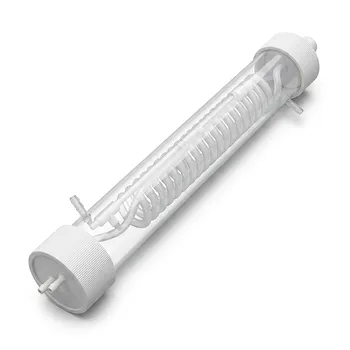
- High Purity PFA Condenser Serpentine Straight HF Resistant Reaction Apparatus Custom Circulation Column
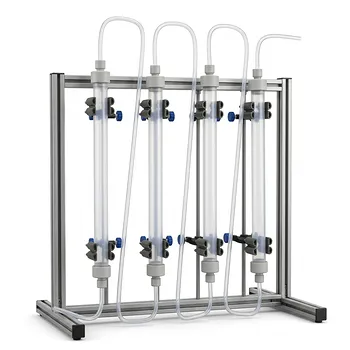
- High Purity PFA Chromatography Columns Series Filtration Resin Ion Exchange System with Sieve Plate Rack Customizable Corrosion Resistant Laboratory Fluid Handling
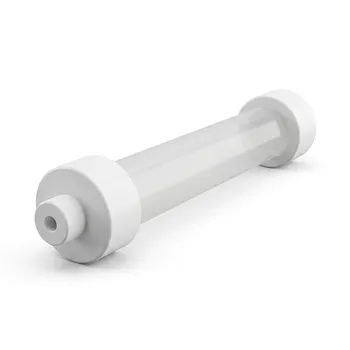
- Translucent PFA Ion Exchange Column with Sieve Plate for Corrosive Chemical Processing and High Purity Trace Analysis
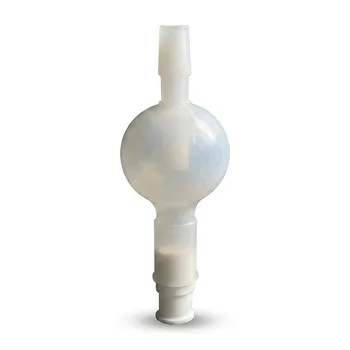
- High Purity PFA Chromatography Column with Collection Bottle Corrosion Resistant Fluoropolymer Filtration System for Trace Analysis
- High Purity PTFE PFA Plastic Crucible for Corrosion Resistant Acid Digestion and Trace Analysis
People Also Ask
- Why is high-purity PFA laboratory equipment required for the trace analysis and species identification of polyoxometalates?
- Why is the chemical stability of polymer endgroups critical when selecting melt-processible fluoropolymers like PFA for high-purity laboratory apparatus? Choose Stable Endgroups for Reliable Performance
- Why is PFA often selected over traditional PTFE for manufacturing complex fluoropolymer fluid components, custom fittings, and sealed laboratory digestion vessels? Discover the key advantages for your lab.
- What are the characteristics of PFA material? A Guide to Its High-Performance Balance
- What are the key properties of PFA (PerFluoroAlkoxy)? A Guide to Extreme Chemical and Thermal Resistance