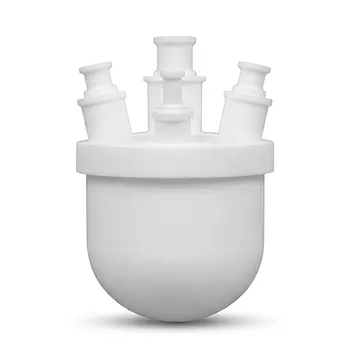
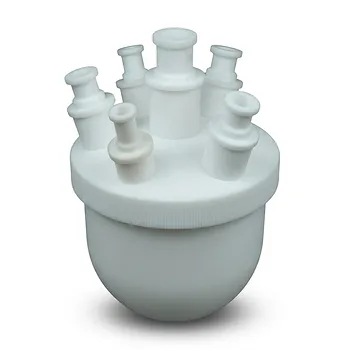
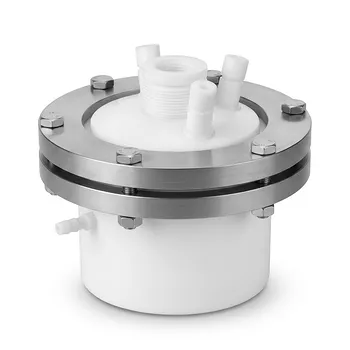
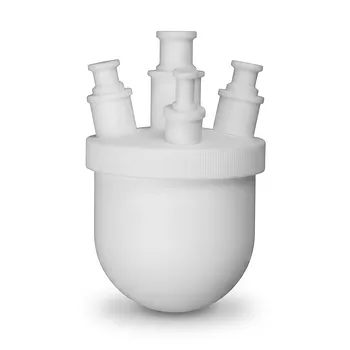
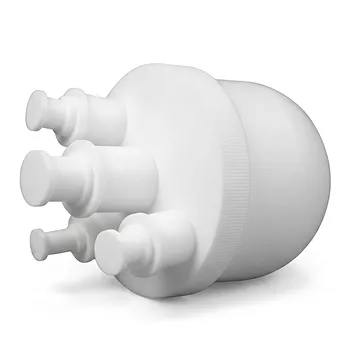
Hydrothermal synthesis reactors improve electrode performance by enabling the precise engineering of highly crystalline particles with optimized size, shape, and surface area. This level of control directly translates to faster ion diffusion kinetics, higher capacity retention, and superior rate performance in energy storage systems like lithium-ion batteries.
Core Takeaway: By exploiting the unique solvent properties of water at high temperatures and pressures, hydrothermal reactors create specialized nanomaterials that exhibit better electrochemical stability and conductivity than those produced via conventional methods.
Engineering Superior Material Morphology
Precise Control Over Particle Geometry
The reactor allows researchers to dictate the exact size and shape of electrode particles, such as those in LiFePO4 or metal oxides. Smaller, uniform particles increase the available surface area for electrochemical reactions, which reduces the distance ions must travel.
Enhancing Ion Diffusion Kinetics
Because the hydrothermal process occurs in a high-pressure aqueous environment, it produces materials with high crystallinity. This structural integrity creates clear pathways for ions to move efficiently during charging and discharging cycles.
Improving Capacity Retention
High crystallinity and morphology control help the electrode material withstand the mechanical stress of repeated cycling. This durability leads to a longer battery lifespan and more stable energy output over time.
Integrated Processing and Efficiency
In-Situ Carbon Coating and Doping
One of the most significant advantages of this reactor is the ability to perform in-situ carbon coating or doping during the initial synthesis. This ensures a more uniform distribution of conductive additives compared to mixing them in later.
Eliminating High-Temperature Post-Processing
By integrating coating and doping into the hydrothermal step, manufacturers can bypass secondary high-temperature processing stages. This consolidation significantly reduces the overall energy consumption of the manufacturing process.
Exploiting Unique Solvent Properties
At temperatures above 100 °C and pressures exceeding 1 atm, water acts as a powerful solvent that facilitates dissolution-precipitation reactions. These reactions allow for the creation of complex nanomaterials and single crystals that are difficult or impossible to achieve under ambient conditions.
Understanding the Trade-offs
Limitations in Scalability
Hydrothermal synthesis is typically a batch process occurring within a sealed pressure vessel (autoclave). This can make it more challenging to scale to massive industrial volumes compared to continuous flow chemical processes.
Equipment and Safety Requirements
The use of elevated pressures requires specialized, heavy-duty "digestion bombs" or pressure vessels to ensure safety. This specialized equipment can increase the initial capital expenditure for research and production facilities.
Precise Parameter Management
The performance gains are highly sensitive to temperature and pressure settings within the reactor. Small deviations can lead to inconsistent particle sizes or unwanted phases, requiring rigorous process control.
Optimizing Your Synthesis Strategy
To achieve the best results with a hydrothermal synthesis reactor, your approach should be tailored to the specific requirements of your energy storage application.
- If your primary focus is High Power Density: Focus on minimizing particle size to the nanometer scale to maximize the surface-area-to-volume ratio for rapid ion exchange.
- If your primary focus is Long-Term Cycle Life: Prioritize the synthesis of highly crystalline, single-crystal structures that can resist structural degradation over thousands of cycles.
- If your primary focus is Production Efficiency: Utilize the in-situ doping and coating capabilities to streamline your workflow and reduce the need for expensive secondary heat treatments.
Mastering the hydrothermal environment allows you to transform standard chemical precursors into high-performance architectures that define the next generation of energy storage.
Summary Table:
| Feature | Impact on Electrode Material | Primary Benefit |
|---|---|---|
| Morphology Control | Precise particle size and shape | Maximized surface area |
| High Crystallinity | Structural integrity & clear pathways | Faster ion diffusion |
| In-Situ Coating | Uniform carbon/doping distribution | Superior conductivity |
| Process Integration | Bypasses high-temp post-processing | Lower energy consumption |
Elevate your energy storage research with KINTEK’s specialized laboratory solutions. Whether you require advanced hydrothermal synthesis liners, microwave digestion vessels, or custom electrochemical cells and battery testing fixtures, we provide the precision tools needed to engineer superior electrode materials.
Our extensive range covers everything from everyday basic labware (beakers, crucibles, reagent bottles) to complex fluid transfer components and high-purity trace analysis instruments. Backed by end-to-end custom CNC fabrication, KINTEK specializes in high-performance fluoropolymer materials like PTFE and PFA to deliver bespoke laboratory setups or high-volume orders tailored to your exact specifications.
Contact us today to optimize your synthesis workflow!
Related Products
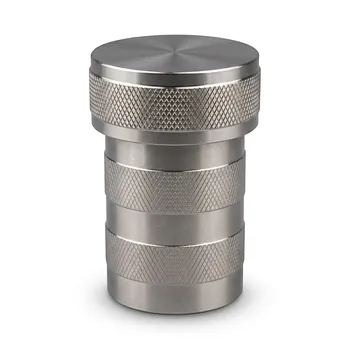
- High Temperature Corrosion Resistant Hydrothermal Synthesis Reactor with TFM Inner Liner and Straight Cylinder Design
- PTFE Lined High Pressure Digestion Vessel 50ml High Temperature Hydrothermal Synthesis Tank
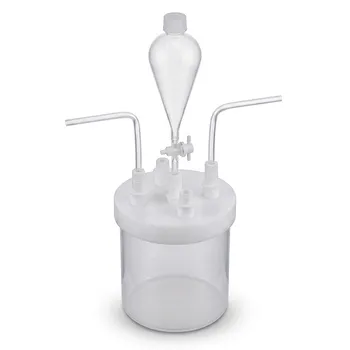
- Custom PTFE Reaction System with Hose Barb Fittings Corrosion Resistant High Sealing 2L 4L Lab Reactor with Separatory Funnel
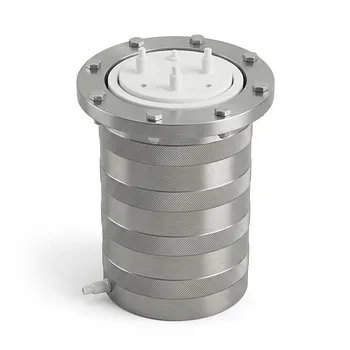
- High Pressure Custom TFM Reactor Stainless Steel Outer Vessel PTFE Inner Cup for Corrosive Synthesis
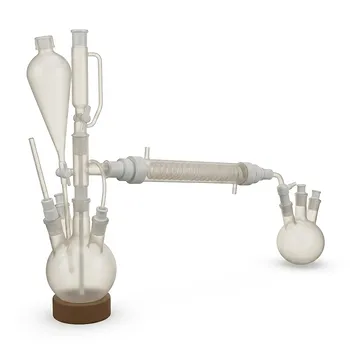
- High Purity PFA Reaction Vessel for Biopharmaceutical Synthesis and Corrosive Chemical Fluid Handling with Customizable Tube Fittings
People Also Ask
- What is the role of a corrosion-resistant reactor in the synthesis of lignin-based carbon dots? Ensure Maximum Purity
- What are the technical advantages of using hydrothermal synthesis reactors for advanced electronic & optical nanomaterials?
- How does a hydrothermal synthesis reactor facilitate the production of crystalline materials with tailored morphologies? Precision Crystal Growth
- Why is the sealing reliability of a hydrothermal synthesis reactor critical for 24-hour cycles? Ensure Nano-Precision
- What role do hydrothermal synthesis reactors play in CQD preparation? Achieve High-Purity Nanomaterial Synthesis