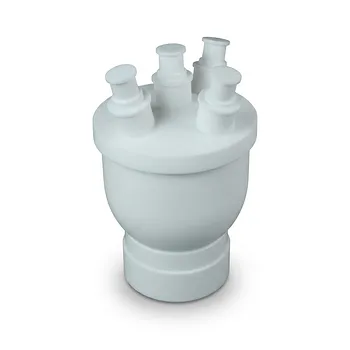
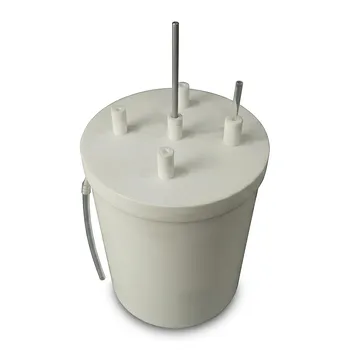
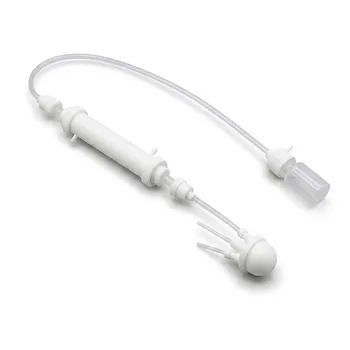
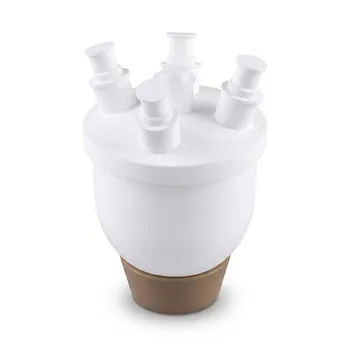
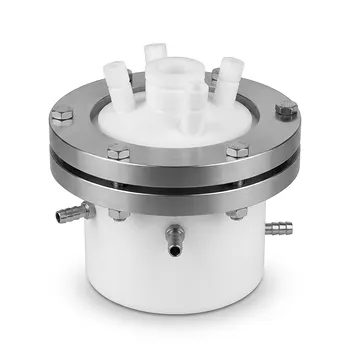
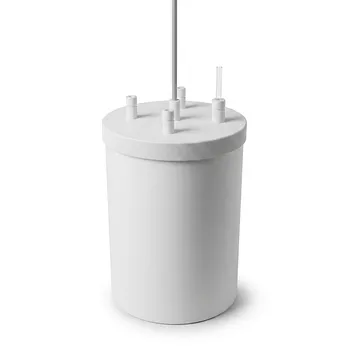
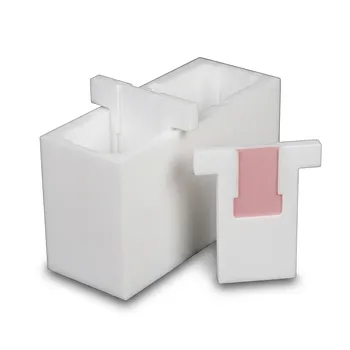
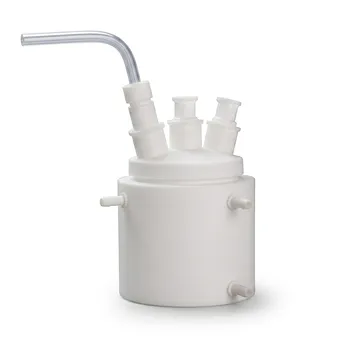
The intensification of biodiesel production is achieved by replacing massive, slow-moving batch tanks with PTFE microchannel reactors that utilize specialized fluid dynamics and chemical-resistant materials. These reactors force oil and methanol into a slug-flow regime, creating internal recirculation that completes the transesterification process in seconds or minutes—a radical improvement over the hours required by traditional methods.
PTFE microchannel reactors revolutionize biodiesel synthesis by maximizing interfacial contact through slug-flow dynamics and ensuring process durability with corrosion-resistant polymers. This technology enables a seamless transition from laboratory optimization to industrial production via modular "numbering-up" strategies.
The Mechanics of Process Intensification
The Role of Slug-Flow Dynamics
Biodiesel production in these systems relies on a slug-flow regime, typically generated within tubular or T-mixer configurations. This flow pattern divides the fluids into discrete segments, or "slugs," which move through the narrow channel in a predictable sequence.
Enhanced Mass Transfer via Recirculation
Within each slug, the fluid undergoes intense internal recirculation, a phenomenon that continuously brings fresh reactants to the interface. This overcomes the mass-transfer limitations found in batch reactors, allowing for near-complete transesterification at speeds that were previously unattainable.
Precise Residence-Time Control
Microchannel reactors offer superior control over residence time, ensuring that reactants spend the exact amount of time needed to reach completion. This precision significantly reduces the formation of unwanted side reactions and byproducts, resulting in a higher-purity fuel.
Material Advantages of PTFE in Chemical Processing
Resistance to Alkaline Catalysts
Biodiesel synthesis frequently utilizes aggressive alkaline catalysts that can degrade many standard reactor materials. The inherent corrosion resistance of PTFE (polytetrafluoroethylene) allows these reactors to withstand harsh chemical environments without structural failure or contamination of the final product.
Handling Aggressive Reagents
Beyond alkalinity, PTFE is immune to the solvents and oxidizers common in organic chemical synthesis. This durability allows for the safe handling of aggressive reagents and air-sensitive intermediates, often eliminating the need for expensive inert-atmosphere environments like gloveboxes.
Scaling from Lab to Production
The 'Numbering-Up' Strategy
Unlike traditional reactors that require complex re-engineering to scale up (scaling-out), microchannel systems use a method called "numbering-up." This involves simply adding more parallel channels to increase throughput while maintaining the exact fluid dynamics optimized at the laboratory scale.
Modular Stacking and Consistency
By utilizing modular stacking, producers can translate lab-scale results directly to pilot or industrial volumes without the heat and mass transfer issues associated with larger vessels. This ensures that the high performance and efficiency seen in the lab are perfectly preserved at the factory level.
Understanding the Trade-offs
Risk of Channel Fouling
The most significant limitation of microchannel technology is the risk of clogging or fouling. Because the channels are extremely narrow, any particulates in the feedstock or unexpected precipitate formation can lead to blockages that disrupt the flow.
Complexity of Parallelization
While numbering-up avoids re-engineering, it introduces the challenge of flow distribution. Ensuring that every channel in a massive parallel array receives the exact same pressure and flow rate requires sophisticated manifold design and monitoring systems.
Strategic Implementation of PTFE Microchannel Technology
To successfully implement this technology, you must align your reactor configuration with your specific production requirements and feedstock quality.
- If your primary focus is rapid production speed: Utilize a T-mixer configuration to maximize the slug-flow effect and achieve reaction completion in seconds.
- If your primary focus is industrial scalability: Implement a modular numbering-up strategy to increase volume without sacrificing the precision of your lab-optimized conditions.
- If your primary focus is process durability: Leverage PTFE-lined reactors to handle high-concentration alkaline catalysts without risking hardware corrosion.
By transitioning to PTFE microchannel reactors, you move from the unpredictability of bulk mixing to the precise, accelerated world of intensified chemical engineering.
Summary Table:
| Feature | Mechanism | Benefit for Biodiesel |
|---|---|---|
| Slug-Flow Regime | Internal recirculation in discrete segments | Completes transesterification in seconds or minutes |
| PTFE Material | High chemical and alkaline resistance | Withstands aggressive catalysts without corrosion |
| Numbering-Up | Modular stacking of parallel channels | Seamless scaling from lab to industrial volumes |
| Residence Control | Precise timing of fluid flow | Reduces side reactions for higher purity fuel |
Elevate Your Synthesis with KINTEK’s Fluoropolymer Expertise
Optimize your chemical processes with KINTEK, your premier partner for high-performance laboratory supplies. From everyday essentials like PFA beakers, crucibles, and centrifuge tubes to advanced PTFE microchannel reactors, hydrothermal synthesis liners, and custom electrochemical cells, we manufacture virtually all imaginable labware with an exclusive focus on high-performance fluoropolymers.
Whether you require high-purity trace analysis instruments, complex fluid transfer components (tubing, valves, fittings), or bespoke non-standard machined parts via our end-to-end custom CNC fabrication, KINTEK delivers the precision and durability needed for aggressive chemical environments.
Ready to intensify your production? Contact our engineering team today to discuss your custom project and discover how our PTFE/PFA solutions can transform your lab's efficiency.
Related Products
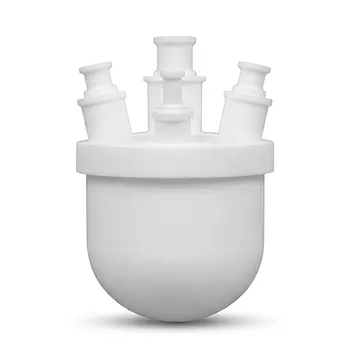
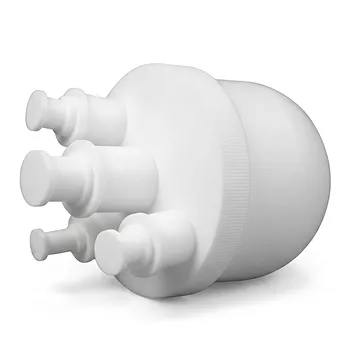
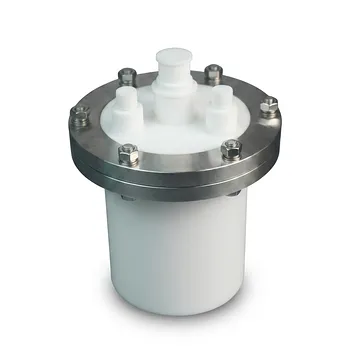
- Customizable Polytetrafluoroethylene PTFE Reactor and Corrosion Resistant Teflon Flask
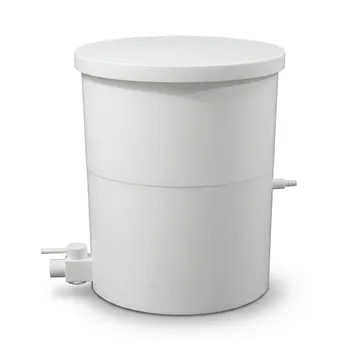
- PTFE 10L Reaction Vessel with Stirring Paddle Customizable Corrosion Resistant High Temperature Reactor for Biopharmaceutical and Chemical Processing
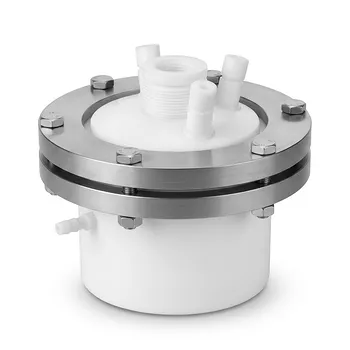
- Custom PTFE Multilayer Reaction Apparatus High Temperature Corrosion Resistant Threaded Modular Sieve System
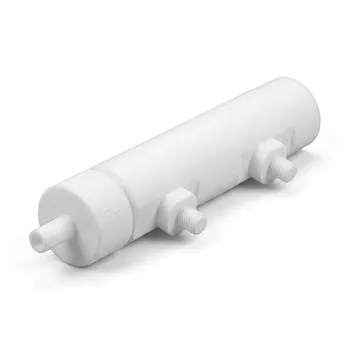
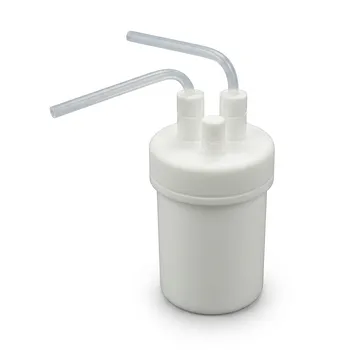
- Custom PTFE Volatile Matter Condensation Reflux Reaction Device Corrosion Resistant Pressure Resistant
- High Performance Customizable PTFE Reaction Vessel and Corrosion Resistant Polytetrafluoroethylene Flask for Chemical Laboratory Use
People Also Ask
- What functional advantages do PTFE reactors provide over glass? Achieve Superior Purity and Safety in Synthesis
- What are the primary fabrication methods for capillary-based and monolithic PTFE reactors? Expert Production Insights
- Why are PTFE or PFA reaction vessels required for the selective etching process of MXene using hydrofluoric acid (HF)?
- Why is a Teflon-lined (PTFE) reactor vessel required for the hydrothermal synthesis of V2O5 and SnO2 nanomaterials?
- What is the role of high chemical inertness reaction vessels in the organic synthesis of acylhydrazone ligands? | Guide