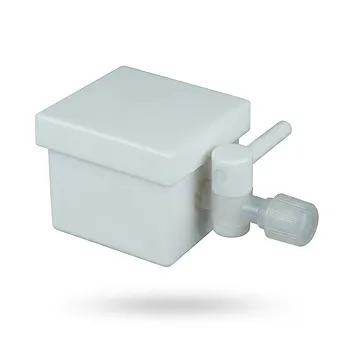
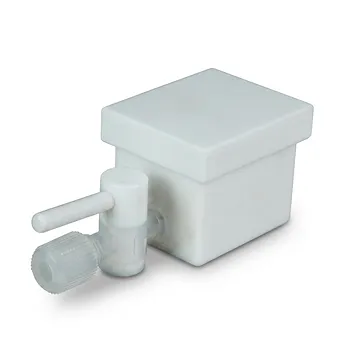
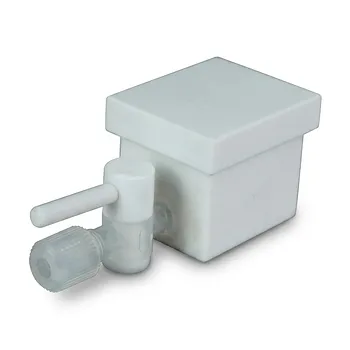
The material of your electrochemical test cell serves as the foundation for data integrity, directly influencing the precision of Cyclic Voltammetry (CV) by dictating the chemical purity of the testing environment. For high-performance catalysts like PtAu/3D graphene aerogels, using inert, corrosion-resistant materials like PTFE (Polytetrafluoroethylene) or PFA (Perfluoroalkoxy) is essential to prevent the introduction of impurity ions. These contaminants can mask the true catalytic response, skewing results related to surface area and long-term stability.
Core Takeaway: To obtain accurate CV data for PtAu/3D graphene aerogels, the test cell must be constructed from chemically inert materials to eliminate ion leaching. This purity is vital for measuring the electrochemical active surface area (ECSA) and identifying the electronic binding energy shifts that define catalytic efficiency.
Maintaining a High-Purity Environment
Preventing Ion Contamination
When testing in strong acid or base electrolytes, standard materials may leach ions into the solution. Using PTFE or PFA for the cell body and seals ensures that no foreign metallic or organic species interfere with the redox reactions of the PtAu nanoparticles.
Stability of the Three-Electrode System
The cell material must provide a physically and chemically stable housing for the working, counter, and reference electrodes. Any degradation of the cell body can shift the electrode geometry, leading to inconsistent potential distribution and unreliable CV curves.
Impact on Electronic Binding Energy
High-purity environments allow for the clear observation of electronic binding energy shifts. These shifts are critical indicators of the synergy between the Platinum-Gold alloy and the 3D graphene aerogel, which enhances overall catalytic activity.
Quantifying Catalytic Performance
Accurate ECSA Measurement
The Electrochemical Active Surface Area (ECSA) is a primary metric for evaluating 3D graphene aerogels. If the cell material introduces impurities, they can adsorb onto the catalyst surface, leading to an underestimation or overestimation of the available active sites.
Assessing Long-Term Cyclic Stability
Evaluating the durability of PtAu catalysts requires hundreds or thousands of cycles. A cell made of non-corrosive material ensures that the observed degradation is due to the catalyst’s own properties rather than external contamination from the test housing.
Enhancing Signal-to-Noise Ratio
Inert materials minimize background currents and parasitic reactions. This results in cleaner CV scans, making it easier to identify the specific peaks associated with hydrogen adsorption/desorption or oxygen reduction.
Understanding the Trade-offs
Material Cost vs. Data Precision
While PTFE and PFA offer superior chemical resistance, they are significantly more expensive than standard glass or acrylic cells. However, for research involving precious metal catalysts, the cost of the cell is negligible compared to the risk of generating false data.
Structural Rigidity and Visibility
Fluoropolymers like PTFE are opaque, which prevents visual monitoring of bubble formation or electrode positioning during the test. Researchers must often choose between the transparency of glass (which may leach silicates in strong bases) and the chemical purity of polymers.
How to Apply This to Your Project
When selecting or designing a test cell for PtAu/3D graphene aerogels, align your material choice with your specific research objectives:
- If your primary focus is Maximum Data Accuracy: Utilize a full PTFE or PFA setup to eliminate any possibility of ion leaching in aggressive electrolytes.
- If your primary focus is Long-Term Durability Testing: Ensure all sealing components are made of high-grade fluoropolymers to prevent leaks or contamination over extended cycling periods.
- If your primary focus is Visual Monitoring of Reactions: Use a high-purity quartz cell, but remain vigilant for potential ion interference if working in highly alkaline environments.
Choosing a chemically inert cell environment is the only way to ensure that your CV results reflect the true electrochemical potential of your catalyst.
Summary Table:
| Feature | PTFE/PFA Cell Material | Impact on CV Results |
|---|---|---|
| Chemical Inertness | High resistance to acids/bases | Eliminates ion leaching and background noise |
| Data Integrity | Prevents impurity adsorption | Ensures accurate ECSA and binding energy data |
| Durability | Corrosion-resistant housing | Maintains stable geometry for long-term cycling |
| Purity Focus | Eliminates organic/metallic species | Protects the synergy of PtAu/graphene catalysts |
Secure Your Data Integrity with KINTEK High-Performance Labware
Don’t let material contamination compromise your research on PtAu/3D graphene aerogels. KINTEK specializes in high-performance fluoropolymer materials, offering an exhaustive range of PTFE and PFA laboratory supplies designed for the most demanding electrochemical environments.
From everyday basic labware like beakers, crucibles, and reagent bottles to specialized electrochemical cells, battery testing fixtures, and hydrothermal synthesis liners, we provide the inert environment your catalysts require. Whether you need standard sample prep tools or complex, non-standard machined parts through our end-to-end custom CNC fabrication, KINTEK ensures your setup is built for precision.
Ready to upgrade your testing environment? Contact us today to discuss your bespoke laboratory needs and discover how our absolute focus on high-performance fluoropolymers can deliver the accuracy your research deserves.
References
- Xiao Yu, Qixian Zhang. One‐Pot Solvothermal Synthesis of PtAu/3d Graphene Aerogels for Methanol Fuel Cells. DOI: 10.1002/elan.12051
This article is also based on technical information from Kintek Knowledge Base .
Related Products
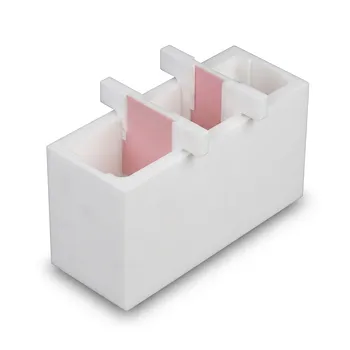
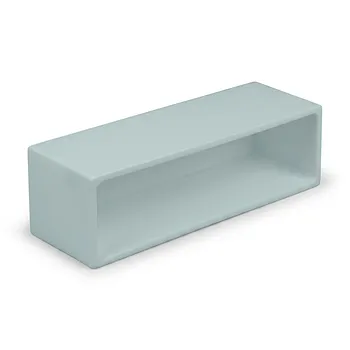
- Corrosion Resistant PTFE Electrochemical Cell for New Energy Research Inert Insulating Customizable Lab Reaction Vessel
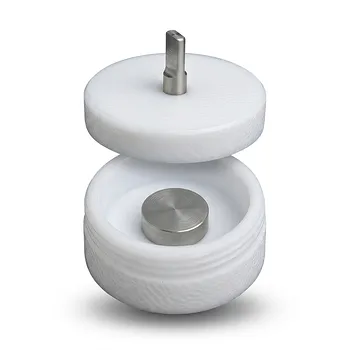
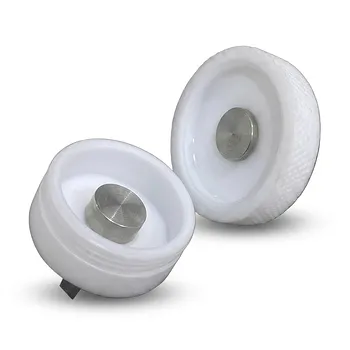
- Acid Resistant PTFE Button Cell Battery Test Fixture Customizable Machining High Purity Electrochemical Testing Clamp
- Square PTFE Electrochemical Cell for Silicon Wafer Processing and Hydrofluoric Acid Resistance in Semiconductor and New Energy Research
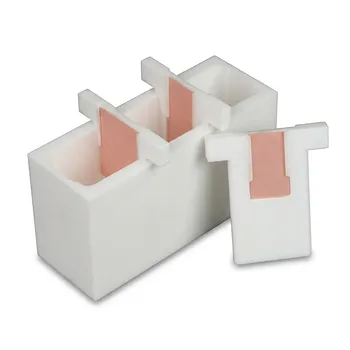
- White PTFE Electrolytic Cell with Movable Slider and Insulated Lid for Fluorine Corrosion Resistance
- Custom PTFE Reaction Box Opaque White Square Electrochemical Cell Tank
People Also Ask
- What parameters govern the electrochemical decomposition of perfluorooctanoic acid (PFOA) in aqueous solutions, and why are custom PTFE electrochemical cells preferred? Key factors include anode material, current density, electrolyte, and cell design.
- How do custom PTFE electrochemical cells improve the accuracy of stability testing for alkaline catalysts compared to glass cells?
- How does the hydrophobicity of PTFE benefit electrochemical measurements? Enhance Stability and Precision in Your Lab
- What makes PTFE an ideal construction material for custom electrochemical cells and electronic analytical instrumentation housings? Discover superior chemical resistance and electrical insulation
- Why must seawater electrolysis test cells have high corrosion resistance? Protect catalyst stability & data accuracy.