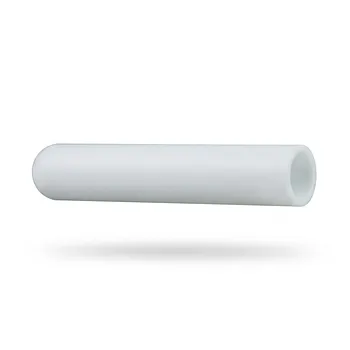
PTFE capillary tubing enhances microfluidic performance by providing a chemically inert, ultra-low-friction environment that ensures sample integrity. By acting as both interconnects and reaction channels, it prevents the denaturation of sensitive reagents and minimizes molecular adsorption. These properties allow for high-precision sample transport and stable flow regimes essential for lab-on-a-chip applications.
PTFE capillary tubing solves the critical challenge of sample loss and cross-contamination in micro-scale systems. Its unique combination of chemical "blindness" and extreme lubricity ensures that what you put into the system is exactly what reaches the detector.
Preserving Sample Integrity through Material Inertness
Preventing Molecular Adsorption and "Wall-Hanging"
In microfluidic systems, the high surface-area-to-volume ratio makes fluids highly susceptible to surface adsorption. PTFE’s near-universal chemical resistance prevents analytes, such as heavy metal ions or sensitive proteins, from sticking to the tubing walls—a phenomenon known as the "wall-hanging" effect.
Safeguarding Biological Reagents
The material is biocompatible and non-thrombogenic, which is vital for systems handling blood or live cultures. It prevents bacterial adhesion and ensures that concentrations of sensitive antibiotics, like kanamycin or gentamicin, remain accurate by preventing the molecules from bonding with the internal lumen.
Protecting Against Denaturation
Sensitive reagents are often prone to surface-induced denaturation when they contact reactive materials. PTFE acts as a neutral conduit, maintaining the structural integrity of complex biological molecules and preventing skewed results in analytical instruments like HPLC or mass spectrometers.
Optimizing Fluid Dynamics and Precision Control
Stabilizing Laminar Flow Regimes
The inherent flexibility of PTFE capillary tubing helps dampen vibrations and stabilize the laminar flow required for predictable microfluidic behavior. Its smooth internal bore ensures that flow remains consistent even at the microliter scale.
Minimizing Carry-over and Residue
The non-stick, hydrophobic surface of PTFE prevents droplet retention and residue buildup. This minimizes sample carry-over between different experimental runs, which is essential for automated online monitoring and high-throughput screening.
Reducing Pressure Drops
Because PTFE has an extremely low coefficient of friction, it facilitates the smooth transport of fluids with minimal resistance. This reduces the pressure drop across the system, allowing for precise low-flow delivery without taxing micro-pumps or valves.
Enabling Advanced System Integration
Real-Time Optical Monitoring
Specific grades of thin-walled PTFE tubing are optically transparent. This allows researchers to perform real-time visual confirmation or spectroscopic monitoring of fluids directly through the tubing without interrupting the flow or risking contamination.
Thermal and Environmental Resilience
Microfluidic systems often operate under diverse conditions, from cryogenic levels up to 260 °C. PTFE maintains its mechanical integrity across this broad thermal range, making it suitable for high-temperature chemical synthesis or thermocycling in PCR applications.
Integration with Complex Manifolds
The material's ability to be used with high-precision fittings and valves ensures a leak-proof environment. Its dielectric strength and non-flammability also make it safe for use in "lab-on-a-chip" devices that integrate electronic sensors or heating elements near the fluid path.
Understanding the Trade-offs
Mechanical Limitations and Kinking
While flexible, thin-walled PTFE capillary tubing can kink or collapse if bent too sharply, which may obstruct micro-scale flow. Users must ensure proper bend radii or use supportive sleeving in tight configurations to maintain a constant internal diameter.
Challenges with High-Pressure Sealing
PTFE is a relatively soft fluoropolymer, meaning it can creep or cold-flow under sustained high pressure at connection points. While this helps with initial sealing, it may require periodic tightening or the use of specialized ferrules to prevent leaks in high-pressure chromatography setups.
Filler Selection Risks
While performance-enhancing fillers can improve wear resistance or thermal conductivity, they can compromise the tubing's chemical purity. If a filler cannot withstand the high sintering temperatures required during manufacturing, it may leach impurities into the microfluidic stream.
How to Apply This to Your Project
Making the Right Choice for Your Goal
To maximize the benefits of PTFE in your microfluidic system, consider your primary technical objective:
- If your primary focus is analytical accuracy: Prioritize high-purity, unfilled PTFE to ensure zero molecular adsorption and prevent the "wall-hanging" of ions.
- If your primary focus is visual data collection: Select thin-walled, transparent grades to enable unobstructed spectroscopic or microscopic monitoring of the flow path.
- If your primary focus is high-throughput automation: Use high-lubricity tubing with a polished internal bore to minimize carry-over and reduce maintenance downtime between samples.
By strategically leveraging PTFE’s inertness and low-friction properties, you can transform a microfluidic circuit from a source of experimental noise into a high-precision instrument.
Summary Table:
| Key Property | Technical Advantage | Microfluidic Performance Impact |
|---|---|---|
| Chemical Inertness | Prevents molecular adsorption | Eliminates "wall-hanging" and ensures sample purity |
| Low Friction | Minimal flow resistance | Stabilizes laminar flow and reduces system pressure drops |
| Biocompatibility | Non-thrombogenic surface | Safe for sensitive biological reagents and live cultures |
| Thermal Stability | Resilient from -200°C to +260°C | Ideal for high-temp synthesis and PCR thermocycling |
| Hydrophobicity | Non-stick internal bore | Minimizes sample carry-over and residue buildup |
Elevate Your Microfluidic Precision with KINTEK
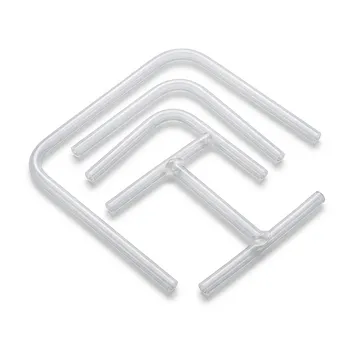
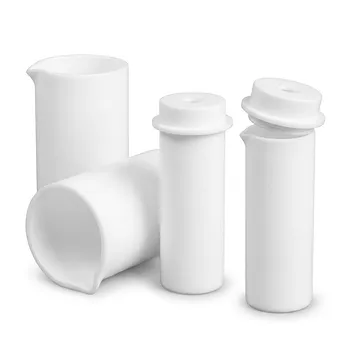
At KINTEK, we specialize in high-performance fluoropolymer solutions designed to eliminate experimental noise. Whether you require everyday basic labware (beakers, measuring cylinders, reagent bottles) or specialized PTFE and PFA capillary tubing, our products ensure the chemical "blindness" and extreme lubricity your micro-scale systems demand.
From high-purity trace analysis instruments and comprehensive fluid transfer components (tubing, fittings, valves) to advanced derivative apparatus like microchannel reactors and custom electrochemical cells, we provide it all. Backed by end-to-end custom CNC fabrication, KINTEK can deliver everything from complex non-standard machined parts to high-volume orders with absolute precision.
Ready to transform your lab-on-a-chip performance?
Contact our fluoropolymer experts today to discuss your custom project!
Related Products
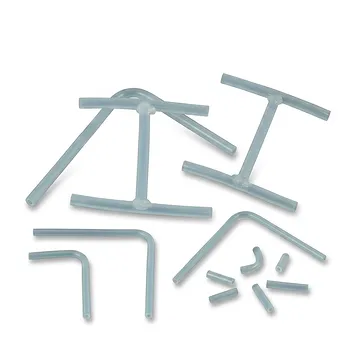
- High Performance PFA Coiled Spring Tubing and Custom PTFE Fabrication Services with Welded Fittings and Precision Bent Components
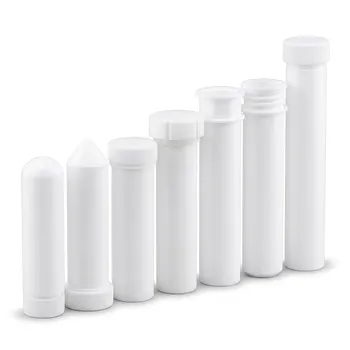
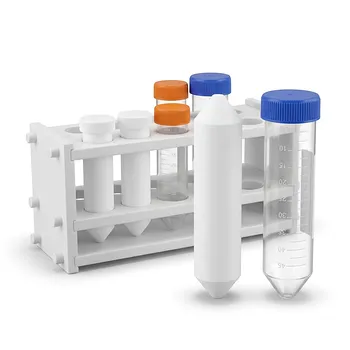
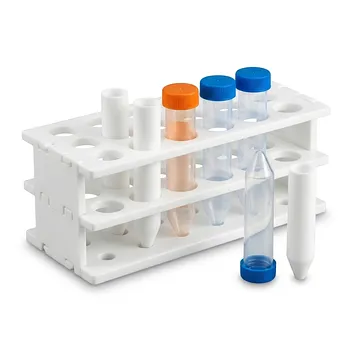
- Custom High Purity PTFE Digestion Tubes and Centrifuge Tubes for Trace Metal Analysis
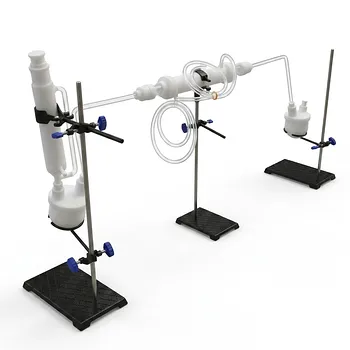
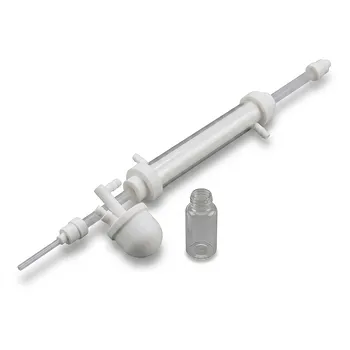
- Custom PTFE Condenser Tube Hydrofluoric Acid Resistant Reflux Device Constant Pressure Separatory Funnel
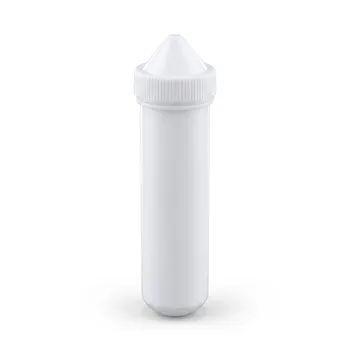
- High Purity PTFE Digestion Tubes and Custom Centrifuge Tubes 100ml for Trace Analysis and Chemical Digestion
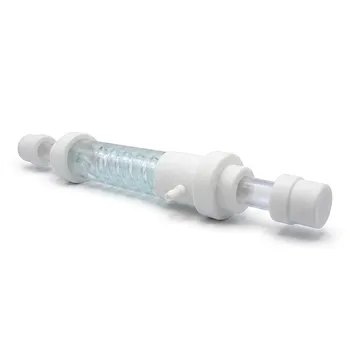
- Custom PTFE Condenser Tube Reflux Reaction Condensation Purification Device Semiconductor Chemical Lab Equipment
People Also Ask
- What are the technical advantages of high-precision PFA tubing in MXene production? Maximize Purity and Yield.
- What technical advantages do PFA tubing and fittings offer? Master Precision Fluid Transfer and Flow Chemistry
- What are the technical advantages of high-quality PFA tubing? Achieve Ultimate Purity and Precision in Fluid Handling
- What are the key benefits of PTFE in custom fabrication? Unlock Performance in Extreme Conditions
- What fabrication services are available for PTFE? Shearing, Stamping, Laser Cutting, Molding & Machining