PFA matches PTFE at the practical upper limit for continuous service, with both generally rated to approximately 260°C (500°F). The decisive difference is processability: standard PTFE is non-melt-processable and usually requires sintering, compression molding, paste extrusion, or machining, while PFA can be melt-extruded or injection-molded. As a result, PFA offers PTFE-level chemical and thermal resistance with greater freedom to produce complex, seamless, high-purity laboratory and fluid-transfer components.
Choose PTFE when maximum low-friction performance, established machining methods, or cryogenic capability is most important; choose PFA when complex geometry, seamless construction, transparency, and melt molding improve the component design.
Where PFA and PTFE Are Fundamentally Similar
Continuous Operating Temperature
Both PFA and PTFE are commonly specified for continuous operation up to approximately 260°C. This makes either material suitable for demanding laboratory equipment, chemical containment, digestion vessels, tubing, valves, fittings, and fluid-transfer systems.
The exact rating depends on the material grade, mechanical load, pressure, exposure environment, and design geometry. A component intended for sustained pressure or mechanical stress should therefore be evaluated against the supplier's temperature-pressure data rather than temperature alone.
Chemical Resistance
Both polymers have a fully fluorinated molecular structure, which gives them exceptional resistance to aggressive acids, bases, solvents, and other laboratory chemicals. PFA does not give up this core chemical inertness to gain melt processability.
For high-purity applications, both materials can minimize contamination and chemical interaction when properly selected, fabricated, cleaned, and validated.
Thermal Processing Versus Service Temperature
A material's melting or processing temperature is not the same as its continuous operating temperature. PTFE and PFA can both be processed or melted at temperatures above their normal service ratings, but that does not mean either material should be used continuously at those temperatures.
PTFE generally melts at a higher temperature, roughly in the 320-340°C range, while PFA typically melts in the approximately 302-310°C range. These differences affect manufacturing methods more than the normal continuous-use rating.
Why PFA Is Easier to Process
PTFE's Non-Melt Processability
Standard PTFE develops extremely high melt viscosity and forms a stiff, non-flowing gel above its melting point. It cannot be processed like ordinary thermoplastics through conventional injection molding.
Manufacturers instead use methods such as compression molding, sintering, paste extrusion, and precision machining. These techniques are well established, but they can add tooling, labor, dimensional, and geometry constraints.
PFA's Melt Processability
PFA is designed to flow when heated sufficiently for conventional melt extrusion and injection molding. This enables manufacturers to form complex shapes directly rather than producing a larger solid blank and machining away material.
PFA can therefore be used for molded tubing, fittings, valves, bottles, reaction vessels, and other fluidic components with intricate internal or external features.
Design Flexibility
Melt processing supports seamless construction, smooth surfaces, and complex fluid paths. These characteristics are valuable where dead volume, particle retention, leakage, or contamination must be tightly controlled.
PFA is also available in transparent or translucent forms, which can help operators inspect fluid flow, fill level, or contamination inside certain laboratory components.
High-Purity Fluid Handling
For trace analysis and high-purity systems, PFA's ability to produce smooth, molded, low-contamination surfaces can be a major advantage. Molded components can reduce the need for extensive machining and may avoid some of the surface irregularities associated with fabricated parts.
The finished performance still depends on resin purity, tooling, processing controls, cleaning, and quality assurance. Melt processability alone does not guarantee a high-purity component.
Understanding the Trade-offs
PTFE Provides Lower Friction
PTFE generally offers the lowest coefficient of friction of the two materials. This makes it particularly attractive for non-stick surfaces, sliding seals, stir-bar coatings, and components where low mechanical drag is central to performance.
PFA also has very low friction, but PTFE may be preferred when minimizing friction and adhesion is the primary requirement.
PFA Does Not Automatically Replace PTFE
PFA's processing advantages do not make it universally superior. PTFE remains highly effective for machined parts, liners, seals, and custom components where its low friction, broad chemical resistance, and established fabrication methods are more important than molded complexity.
The best choice depends on the component's geometry, pressure, mechanical loading, surface requirements, and production volume.
Temperature Claims Require Context
Some technical references list PTFE maximum continuous temperatures above 260°C, while others use approximately 260°C as the practical upper service limit. These differences can result from variations in test methods, grades, load conditions, and safety margins.
For equipment design, use the rating for the specific resin and finished component. Do not treat a higher published temperature as a general guarantee for every PTFE part.
Extreme Temperatures Above Normal Service Ratings
Both materials have melting or thermal-decomposition behavior at temperatures well above their recommended continuous operating range. That does not make them appropriate for prolonged service at those temperatures.
Above the normal service range, mechanical strength, dimensional stability, permeability, and chemical behavior can change even before obvious decomposition occurs.
Fabrication Can Affect Performance
PTFE machining and sintering can produce reliable, precise components, but fabrication quality directly affects surface finish, tolerances, porosity, and cleanliness. PFA molding can produce excellent surfaces and complex geometries, but it requires controlled melt-processing equipment and appropriate tooling.
The material decision should therefore include the manufacturer's process capability, inspection methods, and cleanliness controls.
Making the Right Choice for Your Goal
The selection should begin with the component's operating conditions and manufacturing requirements.
- If your primary focus is continuous operation near 260°C: Treat both PFA and PTFE as viable candidates, then confirm the specific grade's temperature-pressure rating and mechanical performance.
- If your primary focus is complex molded geometry: Prefer PFA because melt extrusion and injection molding can produce intricate, seamless components more efficiently.
- If your primary focus is high-purity fluid transfer: Prefer PFA when smooth molded surfaces, low dead volume, transparency, or complex seamless tubing and fittings are valuable.
- If your primary focus is lowest friction and non-stick performance: Prefer PTFE, particularly for sliding seals, stir-bar coatings, and other low-drag applications.
- If your primary focus is custom low-volume machined parts: PTFE may be more practical when the geometry is compatible with sintering and CNC machining.
- If your primary focus is cryogenic service: PTFE is often the stronger choice because it retains structural integrity at exceptionally low temperatures.
For most high-performance laboratory applications, PFA delivers PTFE-level continuous temperature and chemical resistance with substantially greater manufacturing flexibility.
Summary Table:
| Property | PFA | PTFE |
|---|---|---|
| Continuous Operating Temperature | ~260°C | ~260°C |
| Chemical Resistance | Excellent | Excellent |
| Processability | Melt-processable (injection molding, extrusion) | Non-melt-processable (sintering, compression molding, machining) |
| Friction Coefficient | Very low | Lowest |
| Transparency | Transparent/translucent | Opaque |
| Complex Geometry | Excellent | Limited |
| Seamless Construction | Possible | Difficult |
| Cryogenic Performance | Good | Better |
| Typical Applications | Tubing, fittings, valves, bottles, reaction vessels | Seals, liners, custom machined parts |
Considering PFA or PTFE for your laboratory equipment needs? At KINTEK, we specialize in high-performance fluoropolymers, offering a comprehensive range of PFA and PTFE labware, fluid transfer components, and custom CNC machined parts. Our experts can help you select the ideal material for your application, whether you need complex molded PFA components or low-friction PTFE parts. Benefit from our end-to-end custom machining capabilities and high-purity solutions. Contact us today to discuss your requirements and discover how we can enhance your lab's efficiency and performance.
Related Products
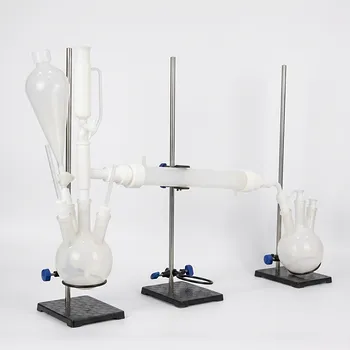
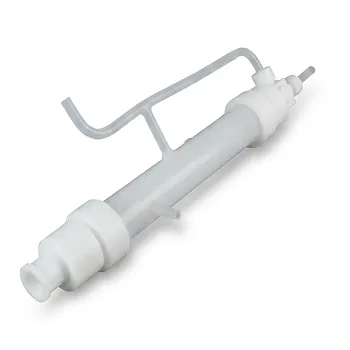
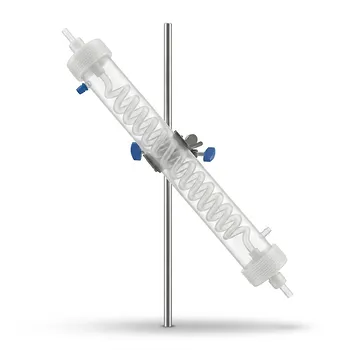
- High Purity PFA Constant Pressure Condensation Reaction System Acid Resistant High Temperature Customizable Teflon Labware
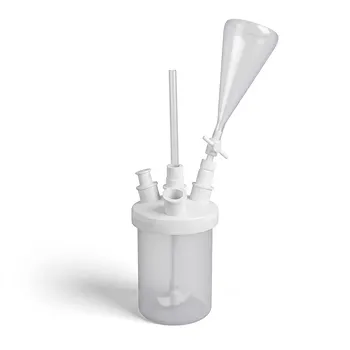
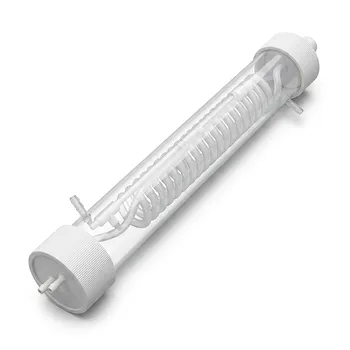
- Transparent Corrosion Resistant PFA Thermometer Sleeve and Customizable Hydrogen Fluoride Condensation Device
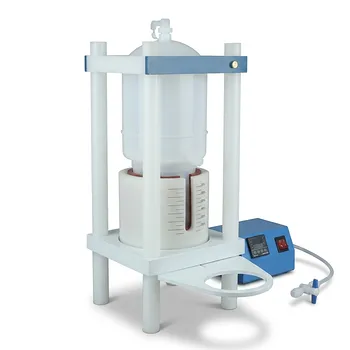
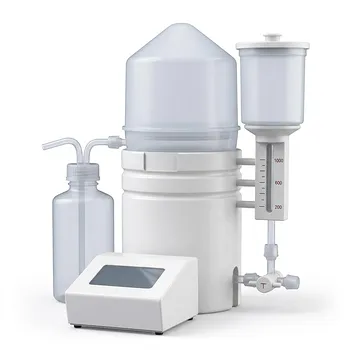
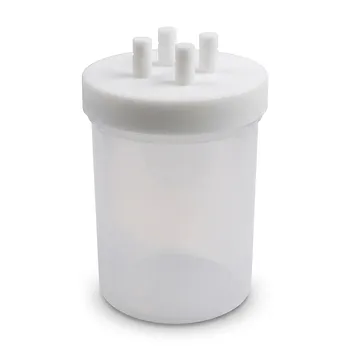
- High Purity PFA Acid Purifier Maintenance and Refurbishment System with Silicone Heating Jacket and Digital Temperature Control Box
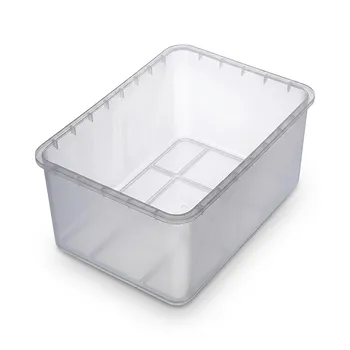
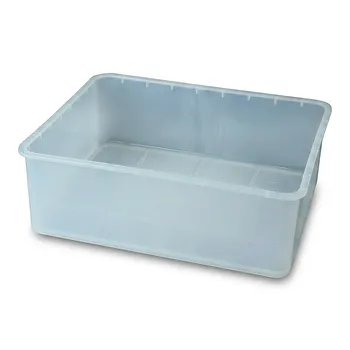
- High Purity PFA Laboratory Rectangular Tank Corrosion Resistant Acid Cleaning Bath for Silicon Wafer Processing and Trace Analysis
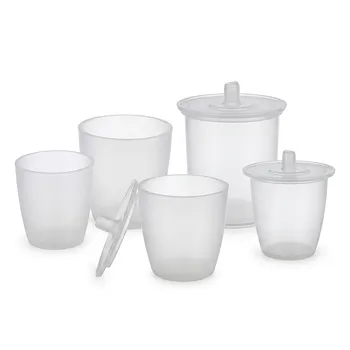
- High Purity PFA Crucible and Corrosion Resistant PTFE Beaker for Trace Analysis and Custom Laboratory Applications
People Also Ask
- Why is high-purity PFA labware preferred when preparing mixed solutions? Prevent Trace-Metal Leaching & Contamination
- What are the core advantages of high-purity PFA labware? Achieve Unmatched Precision in Trace Analysis
- Why Is High-Purity PFA Preferred for Trace Analysis and Synthesis? Achieve Unmatched Analytical Precision
- Why use PFA labware for LiFePO4 precursor preparation? Ensure Trace Metal Purity & Superior Battery Performance.
- What technical advantages does high-purity PFA labware provide in trace fluorescence detection? Ensure Peak Sensitivity