The high-purity platinum (Pt) wire functions as the auxiliary (or counter) electrode by completing the electrical circuit with the working electrode, allowing current to flow through the system without affecting the reference electrode. In dopamine detection, this configuration ensures that the oxidation peak potential of dopamine—typically occurring at approximately 0.12 V—is measured with extreme precision.
Core Takeaway: The platinum wire acts as a stable current sink or source that protects the reference electrode from polarization. This ensures the electrochemical workstation accurately controls the potential at the working electrode, which is vital for the quantitative analysis of dopamine.
Facilitating the Three-Electrode Architecture
Establishing a Stable Current Loop
The primary role of the high-purity platinum wire is to serve as the counter electrode (CE), carrying the bulk of the current generated during the redox reaction. By forming a dedicated current loop with the working electrode (WE), it prevents electrical load from passing through the third component: the reference electrode.
Protecting Reference Electrode Integrity
By diverting current away from the reference electrode (Ag/AgCl), the platinum wire ensures the reference remains "current-free." This stability allows the reference electrode to maintain a constant, known potential, which is the only way to accurately target the specific 0.12 V oxidation window required for dopamine identification.
Maintaining Precision in Voltammetry
During procedures like cyclic voltammetry, the platinum wire ensures that the potential applied to the working electrode is exactly what the user intends. Without this separation of current and potential, the measured data would be skewed by "iR drop" or reference potential shifts, rendering the dopamine signal unreliable.
Material Advantages of High-Purity Platinum
Superior Chemical Inertness
High-purity platinum is chosen for its excellent chemical stability and resistance to corrosion, even in aggressive electrolytes like strong KOH or acidic buffers. This inertness ensures that the electrode does not dissolve or release metal ions into the solution, which could otherwise create "ghost peaks" that interfere with the dopamine signal.
High Catalytic Activity and Conductivity
Platinum possesses high electrical conductivity and a low overpotential for common secondary reactions, such as hydrogen or oxygen evolution. This allows the electrode to facilitate the necessary electron transfer at the counter-interface without becoming a "bottleneck" that limits the overall reaction rate of the system.
Prevention of Impurity Interference
Using high-purity wire is critical to prevent the dissolution of trace metals that might deposit onto the working electrode. If impurities were present, they could catalyze unintended reactions or mask the oxidative stripping of the target analyte, compromising the quantitative accuracy of the test.
Understanding the Trade-offs
Surface Area Considerations
While platinum is highly efficient, the counter electrode's surface area must typically be significantly larger than that of the working electrode. If the platinum wire is too small, the reaction rate at the counter electrode may limit the current, leading to distorted peaks and inaccurate kinetic data for dopamine oxidation.
The Cost-Performance Balance
Platinum is a precious metal, making these electrodes significantly more expensive than carbon-based or stainless steel alternatives. However, for high-precision dopamine detection, the cost is justified by its reusability and the elimination of background noise that cheaper, less stable materials might introduce.
Gas Evolution Risks
At high voltages, the platinum wire can trigger hydrogen or oxygen evolution (water splitting). If gas bubbles form on the wire's surface, they can reduce the active surface area and cause "noise" in the electrochemical signal, potentially fluctuating the current during sensitive measurements.
How to Apply This to Your Project
When setting up a three-electrode system for sensitive analyte detection, consider the following strategic choices:
- If your primary focus is Maximum Sensitivity: Ensure the platinum wire is cleaned via flame treatment or acid dipping before use to remove organic contaminants that could impede electron transfer.
- If your primary focus is Kinetic Accuracy: Use a platinum wire with a surface area at least 10 times larger than your working electrode to ensure the counter electrode never limits the reaction rate.
- If your primary focus is Long-term Stability: Opt for high-purity (99.99%) Pt wire rather than Pt-plated alloys to prevent the eventual leaching of base metals into your electrolyte during extended cycling.
By utilizing a high-purity platinum wire as your auxiliary electrode, you create the stable, noise-free environment necessary to capture the delicate electrochemical signature of dopamine.
Summary Table:
| Feature | Advantage | Impact on Dopamine Detection |
|---|---|---|
| 99.99% High Purity | Prevents trace metal leaching | Eliminates "ghost peaks" and interference |
| Chemical Inertness | Resistance to aggressive buffers | Ensures long-term stability and reusability |
| Low Overpotential | High catalytic activity | Prevents bottlenecks in redox reaction rates |
| Circuit Isolation | Protects the Reference Electrode | Maintains the exact 0.12 V oxidation window |
Elevate Your Electrochemical Research with KINTEK
At KINTEK, we understand that precision in trace analysis requires the highest quality materials. We manufacture a comprehensive range of laboratory supplies crafted from high-performance PTFE and PFA, designed to withstand the most demanding environments.
Whether you need standard labware (beakers, crucibles, reagent bottles), advanced fluid transfer components, or specialized reaction apparatus like custom electrochemical cells and battery testing fixtures, our end-to-end CNC fabrication ensures a perfect fit for your research. From high-volume consumables to bespoke non-standard machined parts, we provide the durability and purity your lab demands.
Ready to optimize your experimental accuracy? Contact us today to discuss your custom laboratory requirements and see how KINTEK can support your next breakthrough.
References
- Hamza Arif, Arif Nazir. Selective non-enzymatic electrochemical detection of dopamine using nickel molybdate nano-dots anchored on CNT fiber microelectrodes. DOI: 10.1039/d5ra05187h
This article is also based on technical information from Kintek Knowledge Base .
Related Products
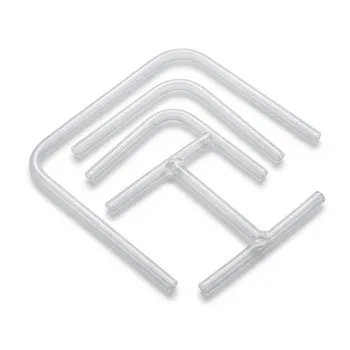
- High Purity PFA Coiled Tubing Custom PTFE Machining PFA Welding and Precision Bending Solutions
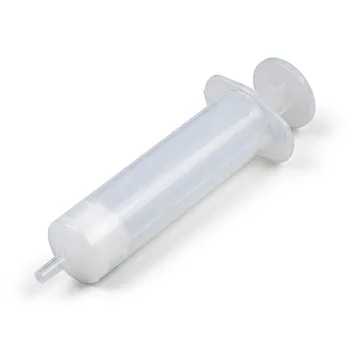
- High Purity PFA Syringe 10ml Corrosion Resistant Translucent Fluoropolymer Sampling Unit for Trace Analysis
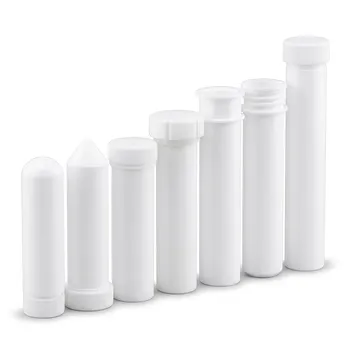
- Custom High Purity PTFE Digestion Tubes and Centrifuge Tubes for Trace Metal Analysis
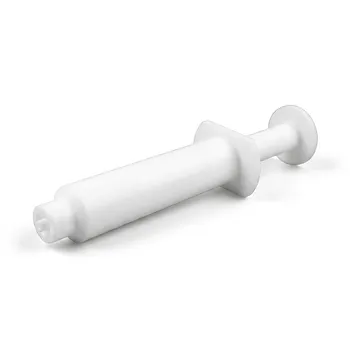
- High Purity 25ml PTFE Syringe for Trace Analysis and Automated Syringe Pump Systems
- High Purity TFM Microwave Digestion Vessels PTFE Acid Evaporation Liners Domestic GT-400 Equivalent Laboratory Reaction Containers
People Also Ask
- How does high-purity PFA tubing maintain reagent purity? Achieve Ultra-Smooth, Zero-Contamination Fluid Transfer
- How does die design and core pin arrangement impact PTFE tubing accuracy?
- How has the elimination of ammonium perfluorooctanoate impacted the manufacturing and safety profile of fluoropolymer products? Key changes and what they mean for you
- What are the technical advantages of high-precision PFA tubing in MXene production? Maximize Purity and Yield.
- PTFE vs PFA: High-Temperature & Mechanical Comparison