Perfluoroalkoxy alkane (PFA) facilitates superior quantitative sample recovery primarily through its exceptionally low surface energy and anti-stick properties. These characteristics cause liquids to bead and roll off the surface rather than wetting it, which prevents the adsorption of analytes like trace metals, proteins, and DNA. By minimizing surface-sample interactions, PFA ensures that nearly the entire volume of a sample can be retrieved without loss to the container walls.
PFA’s ultra-low surface energy (< 20 mN/m) creates a hydrophobic and oleophobic environment where samples cannot easily adhere or react. This "non-stick" behavior is essential for high-precision analytical work, as it eliminates sample loss and reduces the risk of cross-contamination.
The Physics of Minimal Sample Loss
Ultra-Low Surface Energy and Wetting
PFA possesses a surface energy of less than 20 mN/m, which is among the lowest of any solid material.
This low energy makes the material both hydrophobic (repelling water) and oleophobic (repelling oils), causing liquids to form beads and roll off easily.
Because the liquid does not "wet" the surface, there is virtually no residual film left behind, allowing for the quantitative recovery of even the most viscous or precious samples.
Low Coefficient of Friction
The material features a coefficient of friction between 0.05 and 0.10, creating a smooth, "slippery" interface.
This low friction prevents solids from adhering to the walls and simplifies the movement of liquids through tubing or into containers.
As a result, cleaning efforts are significantly reduced, and the risk of cross-contamination between different batches or samples is minimized.
Maintaining Sample Integrity through Inertness
Eliminating Surface Adsorption
PFA’s fully fluorinated carbon backbone eliminates reactive sites, preventing analytes from bonding to the container.
This is critical when working with trace metals, proteins, or DNA, which frequently stick to the surface of glass or lower-grade plastics.
By preventing this adsorption, PFA ensures that the concentration of the analyte remains stable from the moment of collection to the moment of analysis.
High Purity and Low Extractables
Unlike glass, which can leach ions, or other plastics that might release plasticizers, PFA offers superior purity.
It contains extremely low levels of extractable metals and leachable organic compounds, making it the industry standard for ICP-MS and ultra-trace element analysis.
This ensures that the "recovered" sample is exactly what was collected, without any added impurities from the vessel itself.
Understanding the Trade-offs
Cost and Material Sensitivity
While PFA is technically superior for recovery, it is generally more expensive to manufacture than other fluoropolymers like FEP or PTFE.
It is also more susceptible to the effects of water and weathering over long periods compared to FEP, which may impact its longevity in certain outdoor environmental settings.
Mechanical and Thermal Limits
PFA is highly flexible and maintains its properties from -270°C to 260°C, but it is not indestructible.
Repeated thermal cycling can eventually affect its mechanical toughness, though it remains more resistant to cracking than many alternative materials.
How to Apply This to Your Project
Recommendations for Material Selection
- If your primary focus is ultra-trace metal analysis (ICP-MS): Use PFA containers to ensure zero metal leaching and maximum recovery of dilute analytes.
- If your primary focus is working with biological samples like DNA or proteins: Leverage PFA’s low surface energy to prevent sample loss due to wall adsorption.
- If your primary focus is field sampling in extreme environments: Utilize PFA’s shatterproof and lightweight nature to transport samples safely without compromising chemical integrity.
- If your primary focus is high-temperature chemical processing: Choose PFA for its ability to maintain a non-stick, inert surface at temperatures up to 260°C.
By selecting PFA for your laboratory and field needs, you ensure the highest possible accuracy and reproducibility in your quantitative data.
Summary Table:
| PFA Property | Key Characteristic | Recovery Benefit |
|---|---|---|
| Surface Energy | < 20 mN/m (Ultra-low) | Prevents wetting; liquids bead and roll off without loss. |
| Friction Coeff. | 0.05 - 0.10 (Slippery) | Minimizes adherence of solids and viscous fluids. |
| Chemical Inertness | Fully fluorinated backbone | Prevents adsorption of trace metals, DNA, and proteins. |
| Material Purity | Low extractables | Ensures sample integrity for ICP-MS and trace analysis. |
| Thermal Stability | -270°C to 260°C | Maintains non-stick properties under extreme conditions. |
Elevate Your Analytical Precision with KINTEK Fluoropolymer Solutions
Don't let sample loss or cross-contamination compromise your research. KINTEK specializes in high-performance laboratory supplies crafted exclusively from PTFE and PFA to ensure maximum quantitative recovery and chemical purity.
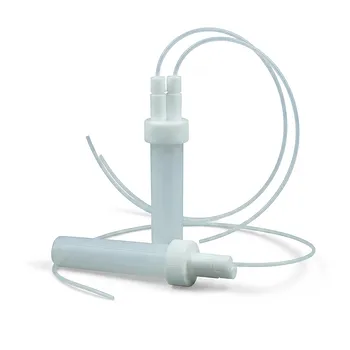
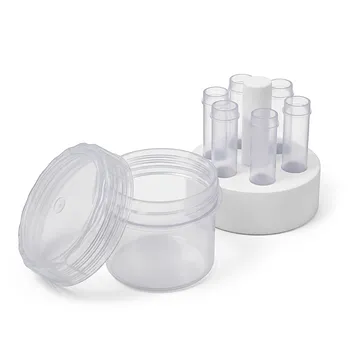
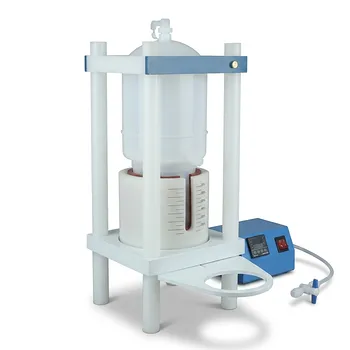
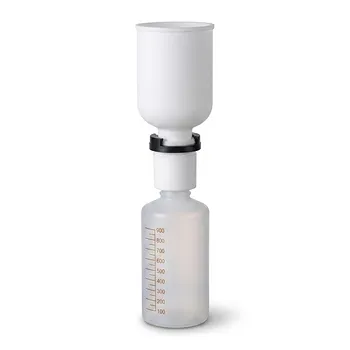
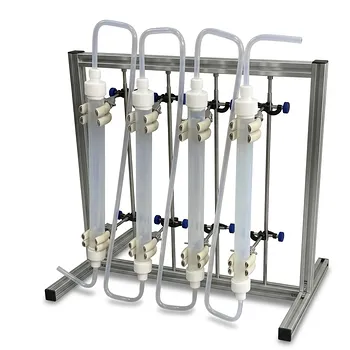
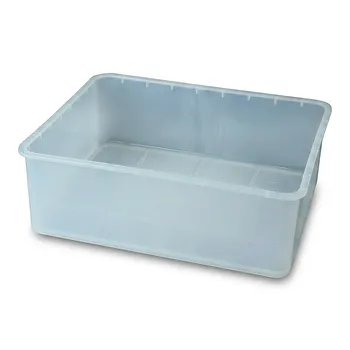
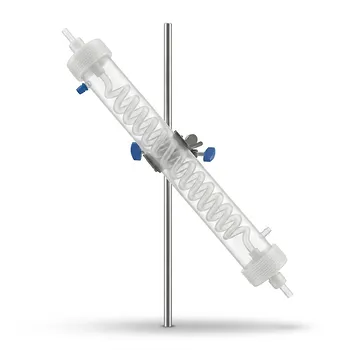
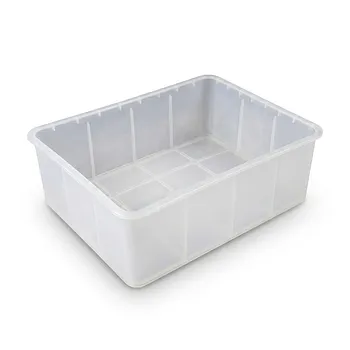
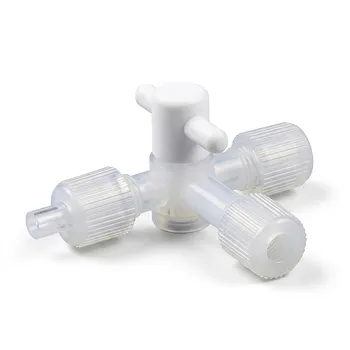
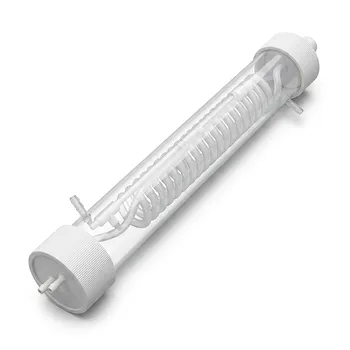
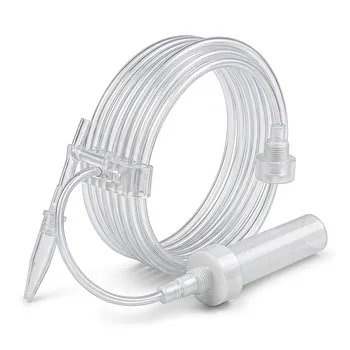
Whether you need everyday basics—like beakers, reagent bottles, and centrifuge tubes—or high-purity trace analysis instruments and cleaning tanks, we have you covered. Our expertise extends to comprehensive fluid transfer components (tubing, valves), sample prep tools (filtration, pipettes), and advanced reaction apparatus such as electrochemical cells and microwave digestion vessels.
Why choose KINTEK?
- End-to-End Customization: Benefit from bespoke CNC fabrication for complex, non-standard machined parts and custom laboratory setups.
- Unmatched Purity: Our fluoropolymer focus is ideal for ICP-MS, trace metal analysis, and biological sampling.
- Full Range Support: From high-volume consumables like stirring bars and O-rings to bespoke reaction vessels, we deliver everything your lab needs.
Ready to optimize your workflow with the world's most inert materials? Contact KINTEK today to discuss your project!
Related Products
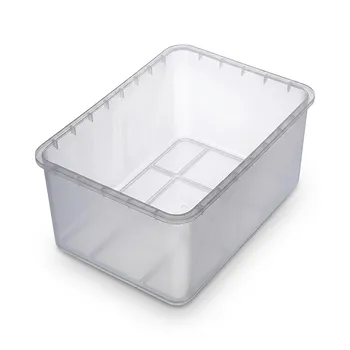
- High Purity PFA Laboratory Rectangular Tank Corrosion Resistant Acid Cleaning Bath for Silicon Wafer Processing and Trace Analysis
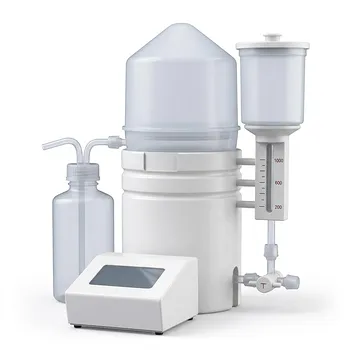
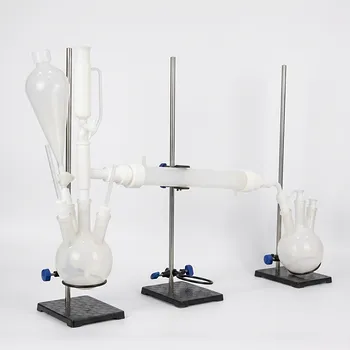
- PFA Sub Boiling Acid Purifier Electronic Grade Distillation System Laboratory Trace Analysis Equipment
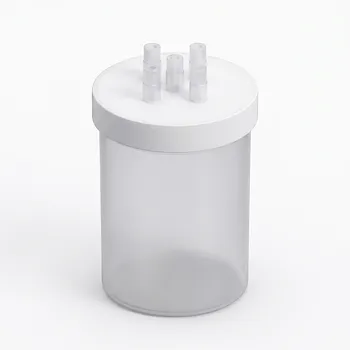
- High Purity 4L PFA Reaction Tank for Proton Exchange Membrane Electrolysis Water Oxygen Separation Systems
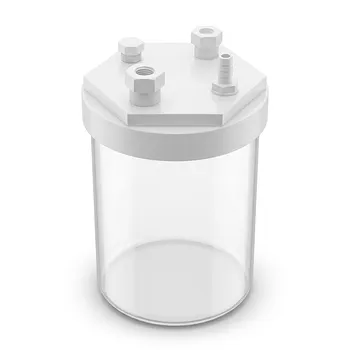
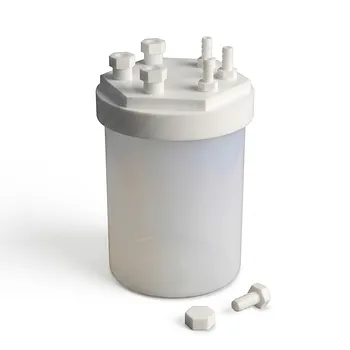
- PFA Reaction Tank 6L Customizable Fittings Corrosion Resistant Solvent Resistant PFA Reaction Bottle for New Material Synthesis
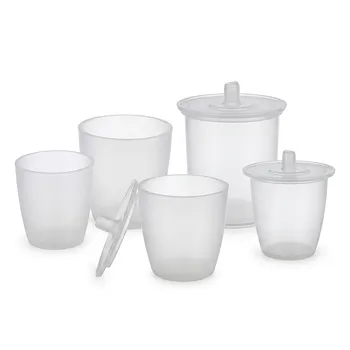
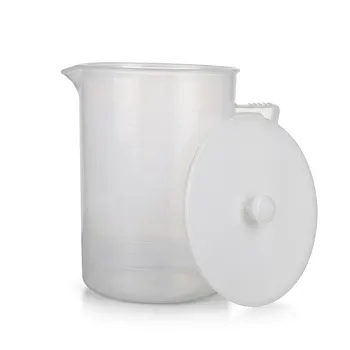
- High Purity PFA Crucible and Corrosion Resistant PTFE Beaker for Trace Analysis and Custom Laboratory Applications
People Also Ask
- What are the advantages of high-purity PFA labware for NiFe catalyst prep? Ensure Precision and Trace-Level Purity.
- Why is high-purity PFA labware preferred when preparing mixed solutions? Prevent Trace-Metal Leaching & Contamination
- What are the core advantages of high-purity PFA labware? Achieve Unmatched Precision in Trace Analysis
- Why use PFA labware for LiFePO4 precursor preparation? Ensure Trace Metal Purity & Superior Battery Performance.
- What is the effective operating temperature range for PFA laboratory products? From -200°C to +260°C Versatility