PTFE is the more structurally rigid, non-melt-processable fluoropolymer, while PFA is chemically similar but designed to flow during processing. PTFE has a highly regular carbon-fluorine structure and extremely high molecular weight, giving it exceptional chemical resistance, thermal stability, low surface energy, and low friction. However, above its melting point it forms a non-flowing gel rather than a conventional melt. PFA adds perfluoroalkoxy side groups that reduce crystallinity and melt viscosity, allowing extrusion, injection molding, and heat welding for complex laboratory fluid-handling components.
The key selection issue is usually fabrication geometry, not chemical resistance. Choose PTFE when maximum robustness, low friction, or custom machining is most important; choose PFA when the component requires precise molded channels, seamless tubing, transparency, welding, or low-volume production through conventional thermoplastic processing.
How Molecular Structure Determines Processing
PTFE Has a Highly Regular Fluorinated Backbone
PTFE consists of a linear carbon-carbon backbone enclosed by fluorine atoms. This dense fluorine sheath contributes to its chemical inertness, low surface energy, hydrophobicity, and thermal stability.
Its molecular regularity also produces a highly crystalline material. Combined with extremely high molecular weight, this gives PTFE an exceptionally high melt viscosity.
PTFE Does Not Form a Conventional Flowing Melt
Although PTFE has a melting point near 327°C, it does not become a freely flowing liquid suitable for ordinary injection molding or melt extrusion. Above its melting point, it forms a stiff, non-flowing gel.
As a result, PTFE components are generally produced through compression molding, sintering, paste extrusion, or machining from solid stock. High-molecular-weight PTFE can also fibrillate under mechanical shear, which further complicates direct powder processing.
PFA Introduces Flow-Promoting Side Groups
PFA incorporates perfluoroalkoxy side groups into the tetrafluoroethylene backbone. These larger side groups disrupt the regular molecular packing of the PTFE structure and reduce crystallinity.
The result is a substantially lower melt viscosity. PFA typically melts in the range of approximately 302–310°C, compared with about 327°C for granular PTFE, and can flow sufficiently for conventional thermoplastic fabrication.
What the Difference Means for Laboratory Components
PFA Supports Complex Internal Geometry
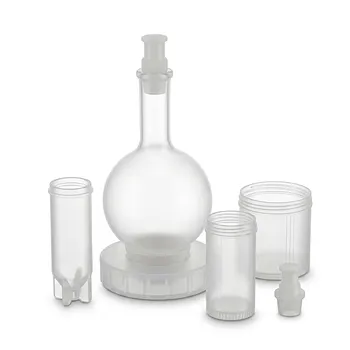
PFA can be injection molded, extruded, thermally formed, and heat welded. This makes it well suited to components with internal channels, molded ports, thin walls, or integrated features.
Typical applications include:
- High-purity tubing
- Fluid-transfer fittings
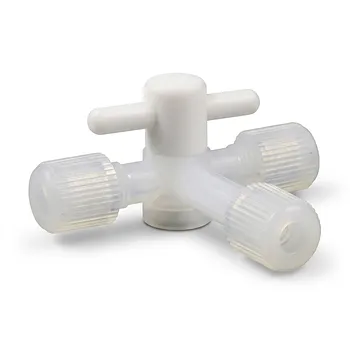
- Valves
- Low-dead-volume fluidic assemblies
- Seamless reagent vessels
- Specialized trace-analysis labware
Melt processing can produce these features directly, reducing the need to machine them from a larger block of material.
PTFE Favors Machined and Heavy-Duty Parts
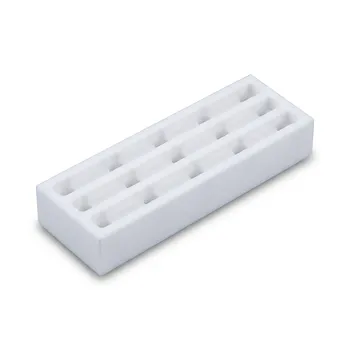
PTFE is well suited to components manufactured from sintered stock shapes and then machined to specification. CNC machining allows engineers to create custom geometries without designing and producing a dedicated mold.
This is valuable for:
- Custom reaction vessels
- Microwave digestion components
- Electrochemical cell bodies
- High-temperature seals
- Machined blocks and fittings
- Robust structural laboratory apparatus
PTFE's low coefficient of friction can also be advantageous in seals, valve seats, sliding interfaces, and other parts where mechanical movement is important.
Both Materials Serve High-Purity Applications
Both PTFE and PFA provide very high chemical resistance, low surface energy, hydrophobicity, dielectric performance, and thermal stability. Both can be used in demanding laboratory environments involving aggressive chemicals and high-purity fluids.
Their practical difference is that PFA provides more manufacturing freedom, while PTFE provides a particularly strong combination of machined-part durability, low friction, and high-temperature performance.
PFA Can Improve Assembly Flexibility
Because PFA can be heat welded, it can support leak-tight fluidic assemblies with fewer mechanical joints. This is useful where minimizing dead volume, contamination opportunities, or potential leak paths is important.
PFA also offers greater optical clarity than typical PTFE, which can help with visual inspection of fluid flow, bubbles, particulates, or liquid level.
Matching Material to Component Requirements
Select PTFE for Custom, Rigid, or Sliding Components
PTFE is often the better choice when the part must be machined in small quantities, withstand severe chemical exposure, or provide a low-friction sealing or sliding surface.
It is also appropriate when the design is more practical to produce from a solid billet or molded stock shape than through a specialized mold.
Select PFA for Molded Fluid Paths and Tubing
PFA is generally preferable when the component requires a smooth, seamless, or intricately molded fluid path. Its melt-processability makes it practical for tubing, valves, fittings, and vessels with complex or repeated geometries.
The material is especially attractive for high-purity fluid transfer and trace analysis, where cleanable surfaces, low dead volume, weldability, and reduced contamination risk matter.
Use Geometry and Production Volume as Selection Inputs
For a simple custom block, PTFE machining may be the most direct solution. For a complex fitting that must be reproduced consistently, PFA molding may provide better dimensional repeatability and lower per-part fabrication effort once tooling is justified.
The correct choice therefore depends on the interaction between part geometry, quantity, tolerances, assembly method, temperature, friction, and chemical exposure.
Understanding the Trade-offs
PFA Is Easier to Process but Still Requires High-Temperature Equipment
PFA is melt-processable, but it is not an ordinary low-temperature thermoplastic. Its melting range is around 305–310°C, and processing requires equipment, tooling, and process controls suited to high-temperature fluoropolymer fabrication.
Melt-processability simplifies manufacturing, but it does not eliminate the need for specialized production capability.
PTFE Offers Machining Flexibility but Adds Fabrication Steps
PTFE can be machined into highly customized shapes, but the process typically begins with sintered stock or compression-molded blanks. Complex internal features may require additional machining, specialized tooling, or assembly from multiple parts.
That can increase manufacturing time and make some geometries less practical than their molded PFA equivalents.
Chemical Resistance Should Not Be Treated as the Only Criterion
Both materials are highly resistant to chemicals, but chemical compatibility alone does not determine suitability. A component may also require transparency, weldability, low friction, rigidity, dimensional stability, pressure capability, or a specific manufacturing route.
Selecting solely on the basis of “fluoropolymer” performance can overlook the operational requirements that control real-world reliability.
Temperature Ratings Need Application-Specific Verification
Both materials are commonly associated with an upper continuous-use temperature near 260°C, but the actual allowable temperature depends on mechanical load, pressure, exposure time, thermal cycling, design geometry, and the specific grade.
The melting point is not a service-temperature rating. Final designs should be checked against the supplier's grade-specific data and the complete operating envelope.
Making the Right Choice for Your Goal
Material selection should begin with the component's function and manufacturing route, then be confirmed against the fluid and temperature conditions.
- If your primary focus is complex molded fluid paths: Choose PFA for its ability to form intricate channels, fittings, valves, tubing, and low-dead-volume assemblies through melt processing.
- If your primary focus is custom low-volume fabrication: Choose PTFE when CNC machining from solid stock provides the most practical route to the required geometry.
- If your primary focus is sliding or sealing performance: Favor PTFE where its low friction and robust machined-part behavior are important.
- If your primary focus is welded, inspectable fluid assemblies: Favor PFA for its heat-weldability and greater optical clarity.
- If your primary focus is extreme chemical and thermal service: Evaluate both materials, then select based on the grade-specific temperature, mechanical, geometry, and fabrication requirements.
The best material is the one whose molecular behavior supports both the laboratory environment and the way the component must be manufactured.
Summary Table:
| Feature | PTFE | PFA |
|---|---|---|
| Molecular Structure | Linear, highly regular, high molecular weight | TFE backbone with perfluoroalkoxy side groups |
| Crystallinity | High | Reduced due to side groups |
| Melt Viscosity | Extremely high, non-flowing gel | Lower, flows for molding |
| Processing Methods | Compression molding, sintering, machining | Injection molding, extrusion, welding |
| Melting Point | ~327°C | ~302–310°C |
| Key Advantages | Low friction, robust, custom machined parts | Complex geometries, seamless tubing, transparency |
| Typical Applications | Seals, custom reaction vessels, electrochemical cells | High-purity tubing, fittings, valves, low-dead-volume assemblies |
Unsure whether PTFE or PFA is right for your application? At KINTEK, we exclusively manufacture lab supplies from PTFE and PFA, including custom CNC-machined parts, fittings, tubing, valves, and more. Our experts help you choose and fabricate the ideal component for your high-purity and high-performance needs. Contact us today for a quote or consultation!
Related Products
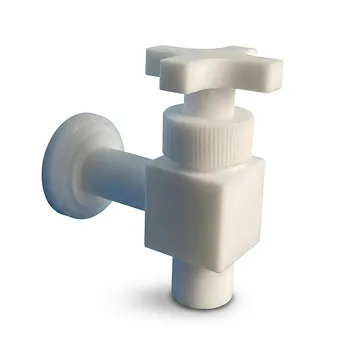
- Corrosion Resistant PTFE Polytetrafluoroethylene Valve and Customizable Laboratory Fluid Dispensing Faucet for Aggressive Chemical Handling in Industrial Storage Tanks and Plastic Drums
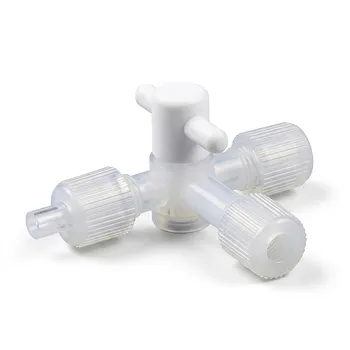
- Corrosion Resistant High Purity PFA Valve and Weldable Transparent Tubing for Semiconductor Fluid Transfer
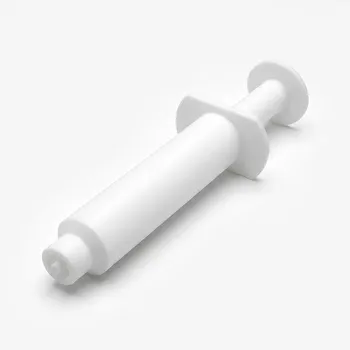
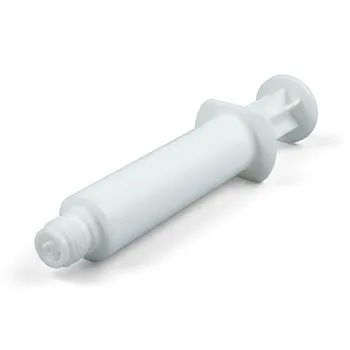
- High Purity Virgin PTFE Syringe 20ml Chemical Resistant Liquid Handling for Syringe Pumps and PFA Tubing Integration
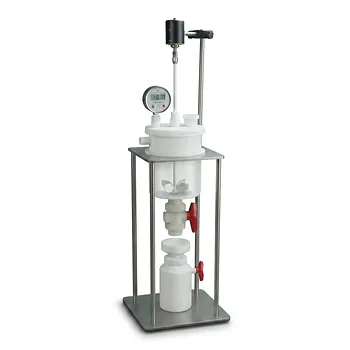
- PTFE PFA Vacuum Filtration System Corrosion Resistant Customizable Shatterproof Laboratory Device
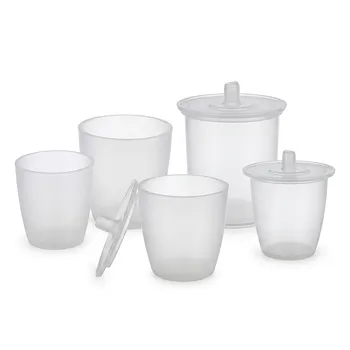
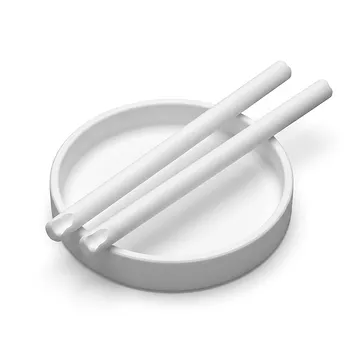
- High Purity PFA Crucible and Corrosion Resistant PTFE Beaker for Trace Analysis and Custom Laboratory Applications
People Also Ask
- How do PTFE valves and components support high-purity liquid transfer? Ensure Product Integrity with Inert Materials
- What industries commonly use PTFE valves and components? Essential for Chemical & Purity Applications
- What specific advantages do PTFE valves offer? Unmatched Corrosion Resistance for Industrial Chemical Handling
- What are the key properties of PTFE valves? Ensure Purity, Safety, and Reliability in Demanding Processes
- What is the typical operating temperature and pressure range for PTFE valves? Key Specs for Optimal Performance