Raw material purity control is crucial because contaminants introduced during TFE polymerization can become permanent sources of instability, leaching, and analytical background in the finished fluoropolymer. Ultra-pure monomer, process water, initiators, and additives are required to preserve the polymer’s molecular weight, crystallinity, chemical inertness, and low-extractable profile. These properties determine whether PTFE and related fluoropolymers are suitable for trace-analysis vessels, tubing, digestion equipment, and other sensitive chemical applications.
Ultra-pure labware cannot be produced reliably from impure inputs. Controlling impurities during TFE polymerization prevents defects and extractables at their source, protecting both the material’s performance and the integrity of the chemicals or samples it contains.
Why Polymerization Purity Determines Labware Performance
The polymer retains consequences from its raw materials
Tetrafluoroethylene, or TFE, is transformed into a high-molecular-weight fluoropolymer through a tightly controlled reaction. Residual inorganic contaminants, organic compounds, metal ions, telogenic impurities, and initiator fragments can affect the growing polymer chains or remain trapped within the polymer matrix.
Those contaminants may not be removable through ordinary washing or machining. Once incorporated during polymerization, they can influence the performance of every component manufactured from the resin.
Chemical inertness depends on a clean polymer matrix
Fluoropolymers are valued for their resistance to acids, bases, oxidants, solvents, and aggressive digestion chemistries. This resistance is associated with the highly fluorinated molecular structure and the dense, crystalline regions of the polymer.
Contaminants can disrupt that structure or introduce chemically active sites. The result may be reduced thermal stability, discoloration, localized defects, or a greater risk that the material will interact with the contents it is intended to protect.
Low extractables are essential in trace analysis
In sensitive chemical applications, even very small quantities of leachable material can matter. Extractables from residual surfactants, metals, organic impurities, or process chemicals may enter reagents and samples during storage, transfer, digestion, or analysis.
For instruments such as ICP-MS systems, that contamination can produce elevated background readings or obscure analyte concentrations. Purity control therefore protects measurement accuracy, not merely the visual quality of the labware.
Which Raw Materials Require the Tightest Control
TFE monomer purity prevents chain-transfer defects
TFE must be extremely pure because hydrogen- or chlorine-containing impurities can act as telogenic agents, or chain-transfer agents. They interrupt normal chain growth, causing premature termination and reducing molecular weight.
Lower molecular weight can compromise chemical resistance, thermal performance, mechanical strength, and processing consistency. Trace trifluoroethylene, for example, must be reduced to very low concentrations to preserve the high molecular weight expected of high-purity PTFE.
Oxygen control protects both safety and consistency
TFE is highly reactive and polymerization is strongly exothermic. Oxygen contamination can promote unwanted autopolymerization during storage or handling, creating localized heating and potentially hazardous decomposition.
Maintaining oxygen at tightly controlled levels and managing temperature and pressure are therefore safety requirements as well as material-quality requirements. Oxygen scavengers may be used during monomer storage, but their presence and any resulting residues must also be controlled so that they do not become new sources of contamination.
Ultra-pure water limits ionic incorporation
In suspension or emulsion-like polymerization processes, water serves as the reaction medium and helps remove heat from the exothermic reaction. Water with very high resistivity, typically around 16 to 18 MΩ·cm, minimizes ionic contamination.
Metal ions such as iron and other dissolved species can become associated with growing polymer particles or remain as residues after processing. Using ultra-pure water reduces structural defects and supports a low-extractable resin suitable for clean laboratory components.
Initiators and surfactants can leave residues
Initiators are necessary to start polymerization, but uncontrolled initiator fragments can remain in the polymer or alter its molecular structure. Their concentration, decomposition products, and removal must be considered when the resin is intended for ultra-trace applications.
Surfactants used in emulsion polymerization present a similar concern. Historical perfluorinated surfactants, including APFO or PFOA-related materials, could remain at parts-per-million levels and potentially leach into samples. Modern processes use alternative surfactants or suspension methods designed to reduce residual contamination.
How Purity Affects Structure and Barrier Properties
Molecular weight influences durability
High molecular weight supports the strength, chemical resistance, and thermal stability required for fluoropolymer labware. Telogenic contamination reduces chain length and can make the resin less capable of maintaining its performance under aggressive chemical or thermal conditions.
This matters particularly for digestion vessels, tubing, and fluid-handling components that experience repeated exposure, pressure, heat, or mechanical stress.
Crystallinity limits chemical diffusion
Fluoropolymers contain both crystalline and amorphous regions. The crystalline phase has tightly packed chains and minimal free volume, while the amorphous phase contains more space through which chemical species can diffuse.
A resin with appropriate crystallinity provides better barrier performance. That helps minimize vapor transmission, fluid loss, and the movement of trace contaminants through the labware wall.
Defects can create localized contamination paths
Foreign particles, metal residues, and poorly controlled reaction conditions can contribute to structural defects. These defects may become sites for increased diffusion, chemical retention, or mechanical failure.
For high-purity containment, the objective is not only a chemically resistant material in general. It is a uniform, defect-controlled matrix whose behavior remains predictable throughout the component.
Why Virgin Resin Matters for Sensitive Applications
Reprocessed material has a different risk profile
Reprocessed fluoropolymer, often called repro, is made from manufacturing scrap that is purified, heated, and ground for reuse. Although this can recover useful material, the additional thermal and chemical history can degrade important properties.
Reprocessing may reduce chemical inertness, alter physical performance, and increase uncertainty about prior exposure or residual contamination. That uncertainty is unacceptable when the labware must contribute virtually no background to a trace measurement.
Virgin polymer provides better material control
Virgin fluoropolymer resin begins with controlled raw materials and a defined polymerization history. This makes its molecular structure, extractables, thermal behavior, and mechanical properties more predictable.
For trace-analysis vessels, high-purity chemical containment, and critical fluid-transfer components, virgin resin is therefore the appropriate baseline. The requirement is driven by contamination control and performance reliability, not by appearance alone.
Understanding the Trade-offs
Purity control increases manufacturing complexity
Producing ultra-pure fluoropolymer requires purified monomer, high-resistivity water, controlled gases, carefully selected additives, specialized equipment, and validated cleaning procedures. These controls increase process cost and demand more rigorous quality assurance.
That cost is justified when contamination could invalidate an analysis, damage an instrument, or compromise a high-value chemical process. It may be unnecessary for general-purpose applications where trace background is not a concern.
Additives solve process problems but can create purity risks
Initiators, surfactants, and oxygen scavengers support polymerization control and safe handling. However, each additive introduces the possibility of decomposition products or residual material entering the resin.
The correct approach is not simply to eliminate all additives. It is to select compatible materials, control their quantities, and verify that the finished resin meets extractables and purity requirements.
“Chemical resistance” does not mean “zero contamination”
A fluoropolymer can remain chemically stable while still releasing trace residues from its manufacturing history. Chemical inertness and low extractables are related but distinct performance requirements.
Labware for sensitive analysis must therefore be evaluated for both resistance to the chemicals it contains and the cleanliness of what it may release into them.
How to Apply This to Your Project
The appropriate purity strategy depends on the consequences of contamination in the intended application.
- If your primary focus is trace analytical accuracy: Specify virgin fluoropolymer made from ultra-pure TFE, high-resistivity process water, and low-residue initiator and surfactant systems, then verify extractables and background contamination.
- If your primary focus is chemical containment: Prioritize high molecular weight, suitable crystallinity, low structural-defect levels, and confirmed resistance to the specific chemicals, temperatures, and pressures involved.
- If your primary focus is instrument and sample protection: Control metal ions, organic residues, telogenic impurities, and surfactant carryover because these species can produce false analytical backgrounds.
- If your primary focus is manufacturing safety and consistency: Maintain strict oxygen, temperature, pressure, and heat-removal controls because TFE polymerization is both highly exothermic and sensitive to uncontrolled reaction conditions.
- If your primary focus is material selection: Use virgin resin for critical high-purity applications and treat reprocessed fluoropolymer as a separate material class requiring independent performance and extractables validation.
Raw material purity control is the foundation for fluoropolymer labware that protects both the chemical process and the validity of the measurement.
Summary Table:
| Raw Material | Controlled Impurity | Impact on Labware Performance |
|---|---|---|
| TFE Monomer | Telogens (e.g., trifluoroethylene) | Reduced molecular weight, weaker chemical resistance |
| Oxygen | Autopolymerization, safety hazards | Inconsistent quality, potential decomposition |
| Process Water | Metal ions (e.g., iron) | Structural defects, extractables, analytical background |
| Initiators/Surfactants | Residual fragments | Leaching into samples, contamination in trace analysis |
Elevate your lab's precision with KINTEK's ultra-pure PTFE and PFA labware. Our virgin, low-extractable fluoropolymer products are engineered for the most sensitive chemical applications, ensuring minimal background interference and maximum reliability. From trace-analysis vessels to custom CNC-machined parts, trust our expertise to safeguard your results. Contact us today to discuss your requirements and discover how our high-performance solutions can enhance your analytical accuracy.
Related Products
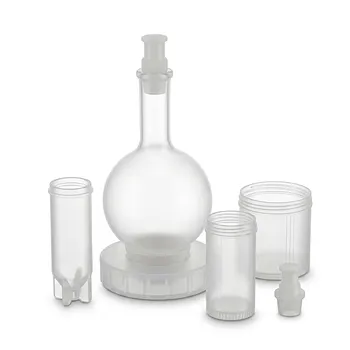
- Custom PFA Pear Shaped Flask High Purity Corrosion Resistant Labware Custom Molded Fluoropolymer Flask Glass Replacement Solution
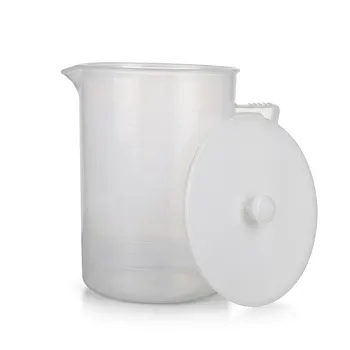
- High Purity PFA Beaker with Handle and Large Capacity Washable Soak Basket Multi Spec Teflon Laboratory Labware
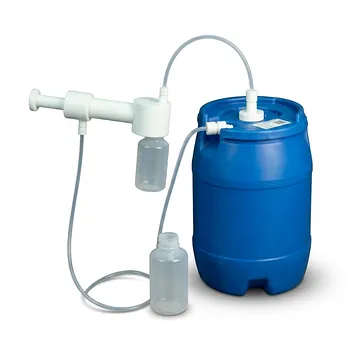
- PTFE Ultrapure Liquid Sampler Corrosion Resistant Acid Sampling Tool for 200L Reactors Custom Fluoropolymer Sampling Device
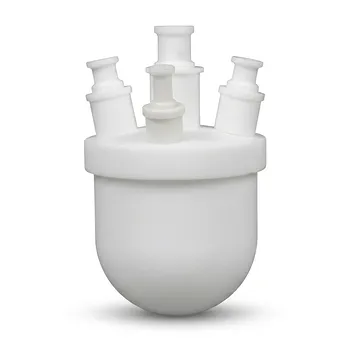
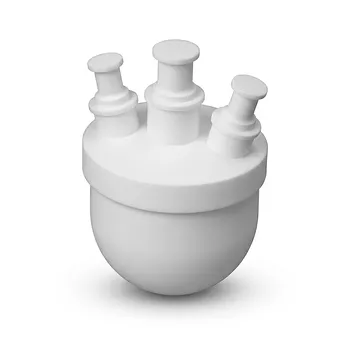
- Custom PTFE Flask 250ml High Purity Fluoropolymer Laboratory Vessel for Chemical Research
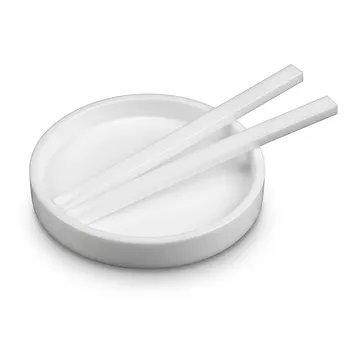
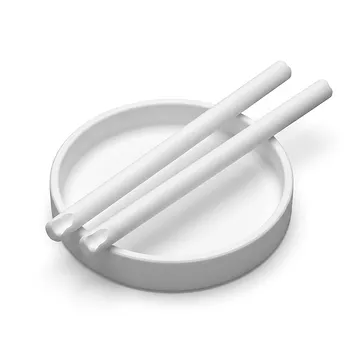
- Custom PTFE Petri Dish 120mm Diameter Corrosion Resistant Low Background High Purity Labware
People Also Ask
- Why Use PFA Labware for MnFe2O4/rGO Precursors? Ensure Stoichiometric Precision and Purity
- What are the primary properties of PFA for high-performance labware? Achieve ultra-trace purity & thermal stability.
- Why is PFA labware recommended for CuBi2O4? Protect high-purity precursors and ensure semiconductor bandgap accuracy.
- How does PFA labware enhance the accuracy of ultra-trace element analysis? Achieving PPT Precision with Zero Leaching
- What role does PFA labware play in semiconductor manufacturing? Ensuring Ultra-Pure Yields and Zero Contamination