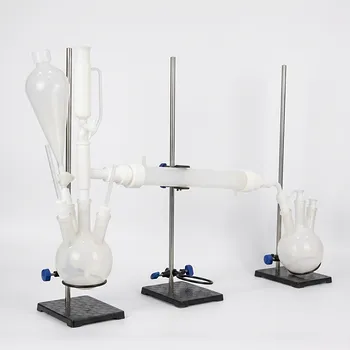
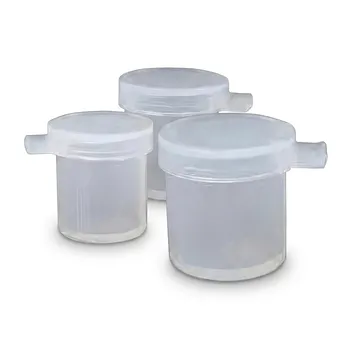
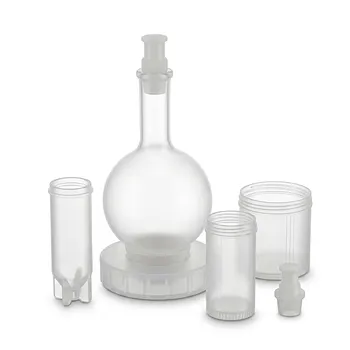
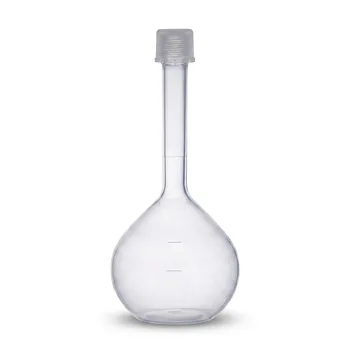
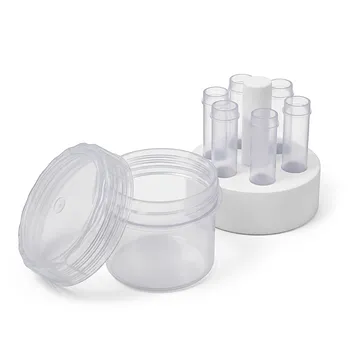
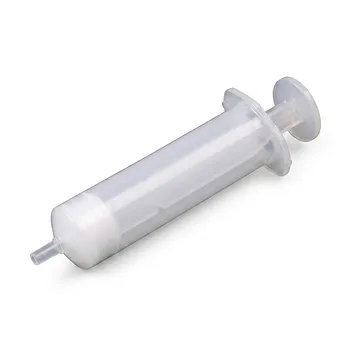
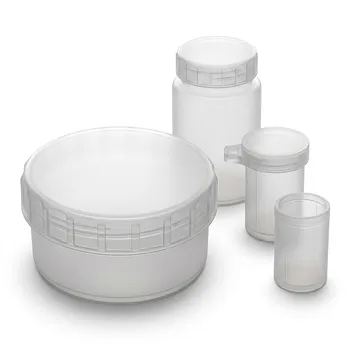
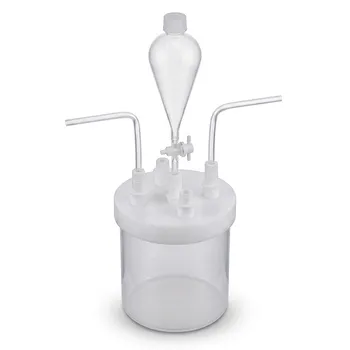
High-purity PFA (Perfluoroalkoxy) labware is the indispensable foundation for trace analysis because it provides a chemically inert environment that eliminates sample contamination and analyte loss. During the R&D of hybrid water treatment materials, PFA prevents the leaching of metal ions and plasticizers that would otherwise skew data regarding adsorption kinetics and photocatalytic efficiency. By ensuring that the only variables in the experiment are the materials being tested, researchers can achieve the ultra-high sensitivity and reproducibility required for high-level academic and industrial standards.
High-purity PFA labware ensures the integrity of trace analysis by offering a near-zero leaching background and preventing target analytes from adhering to vessel surfaces. This level of purity is essential for validating the performance of hybrid materials where even part-per-trillion contaminants can invalidate experimental results.
Eliminating Chemical Interference in Trace Analysis
Superior Chemical Inertness
PFA is characterized by its exceptional chemical inertness, meaning it does not react with the aggressive reagents often used in water treatment research. Whether handling strong acids, bases, or organic solvents, PFA remains stable and does not introduce secondary byproducts into the synthesis process.
Extremely Low Leaching Background
Standard plastics and glass can leach metal ions or organic additives into a sample, creating background interference. High-purity PFA is manufactured to minimize these impurities, ensuring that the trace organic pollutants being studied are the only substances detected during analysis.
Prevention of Cross-Contamination
The non-stick nature of PFA makes it significantly easier to clean than traditional materials. This reduces the risk of sample cross-contamination between different experimental runs, which is vital when moving between different concentrations of hybrid treatment materials.
Preserving Sample Integrity and Concentration
Minimizing Surface Adsorption
In trace analysis, the loss of target analytes to the walls of the container—known as adsorption loss—can lead to significantly underestimated results. PFA's unique surface properties minimize this effect, ensuring that the full concentration of the pollutant remains available for detection and treatment.
Facilitating Low Detection Limits
To push the boundaries of water treatment technology, researchers must work at ultra-low detection limits. High-purity PFA labware provides the "clean" environment necessary to distinguish between the noise of the container and the actual signal of the trace pollutants.
Durability in Harsh Conditions
Hybrid material synthesis often involves digestion and high-temperature treatments. PFA’s thermal stability and corrosion resistance allow it to maintain its structural and chemical integrity under conditions that would degrade other laboratory plastics.
Understanding the Trade-offs
Cost and Acquisition
The primary drawback of high-purity PFA is its significant cost compared to standard labware like PTFE or borosilicate glass. Research facilities must often balance the need for extreme precision with the higher budget required for a full suite of PFA beakers, bottles, and pipettes.
Physical Material Properties
PFA is a softer material than glass, making it more susceptible to mechanical damage like scratching if handled improperly. Furthermore, while it is translucent, it lacks the perfect optical clarity of glass, which can make visual monitoring of certain reactions slightly more challenging.
How to Apply This to Your Project
When integrating high-purity PFA into your R&D workflow, your choice should be dictated by the specific requirements of your analytical goals.
- If your primary focus is Adsorption Kinetics: Use PFA storage bottles and reaction vessels to ensure that the decrease in pollutant concentration is due to the hybrid material and not adsorption onto the container walls.
- If your primary focus is Photocatalytic Efficiency: Prioritize PFA components during the synthesis of your catalysts to prevent trace metal contamination from acting as unintended co-catalysts.
- If your primary focus is Trace Element Detection: Utilize PFA digestion vessels and centrifuge tubes to maintain the lowest possible metal ion background for ICP-MS or similar high-sensitivity analysis.
By meticulously selecting high-purity PFA labware, researchers ensure that their data reflects the true potential of their hybrid water treatment materials.
Summary Table:
| Key Property | Research Benefit | Analytical Impact |
|---|---|---|
| Chemical Inertness | No reaction with aggressive reagents | Ensures a pure synthesis environment |
| Ultra-Low Leaching | Prevents metal ion/plasticizer leaching | Eliminates background interference |
| Non-Stick Surface | Minimizes analyte adsorption to walls | Ensures accurate concentration data |
| Thermal Stability | Durable during high-temp digestion | Maintains integrity in harsh conditions |
Precision Starts with KINTEK PFA & PTFE Labware
In the world of trace analysis, your results are only as clean as your containers. KINTEK offers an exhaustive range of laboratory supplies—from basic beakers, measuring cylinders, and reagent bottles to complex custom-machined reactors—all crafted from high-purity PTFE and PFA.
Our expertise extends across your entire workflow:
- General Consumables: Digestion tubes, centrifuge tubes, filtration tools, and separatory funnels.
- Fluid Transfer: High-purity tubing, fittings, valves, and gaskets.
- Advanced Apparatus: Standard or custom electrochemical cells, battery testing fixtures, and hydrothermal synthesis liners.
Backed by end-to-end custom CNC fabrication, KINTEK is equipped to deliver complex non-standard parts and high-volume orders with an absolute focus on high-performance fluoropolymers. Contact us today to see how our materials can eliminate interference and elevate your hybrid water treatment R&D.
References
- Madina Bissenova, Chingis Daulbayev. Hybrid adsorption–photocatalysis composites: a sustainable route for efficient water purification. DOI: 10.1007/s40243-025-00319-5
This article is also based on technical information from Kintek Knowledge Base .
Related Products
- High Purity PFA Constant Pressure Condensation Reaction System Acid Resistant High Temperature Customizable Teflon Labware
- High Purity PFA Crucible and Corrosion Resistant PTFE Beaker for Trace Analysis and Custom Laboratory Applications
- High Purity PFA Sample Dissolution Cups Acid Resistant Chemical Digestion Vessels with Lids Trace Analysis Labware
- High Purity PFA Beakers with Handles Large Capacity Chemical Resistant Teflon Laboratory Beakers and Custom Cleaning Baskets
- High Purity PFA Sampling Ladle Custom Molded PTFE Water Scoop Chemical Resistant Laboratory Dipper
People Also Ask
- Why is high-purity PFA labware preferred when preparing mixed solutions? Prevent Trace-Metal Leaching & Contamination
- What are the core advantages of high-purity PFA labware? Achieve Unmatched Precision in Trace Analysis
- Why use PFA labware for LiFePO4 precursor preparation? Ensure Trace Metal Purity & Superior Battery Performance.
- What technical advantages does high-purity PFA labware provide in trace fluorescence detection? Ensure Peak Sensitivity
- What are the advantages of high-purity PFA labware for NiFe catalyst prep? Ensure Precision and Trace-Level Purity.