Knowledge PTFE(Teflon) Labware What molecular structural features provide PTFE fluoropolymer labware with extreme chemical inertness and low sample adsorption? Discover the Role of Fluorine Shielding
Author avatar

Tech Team · Kintek

Updated 2 months ago

What molecular structural features provide PTFE fluoropolymer labware with extreme chemical inertness and low sample adsorption? Discover the Role of Fluorine Shielding


PTFE labware is chemically inert and difficult for samples to adhere to because its carbon backbone is enclosed by a dense layer of fluorine atoms. The polymer contains only strong carbon-carbon and carbon-fluorine covalent bonds, while the highly electronegative fluorine atoms shield the carbon chain from chemical attack. This fluorinated, nonpolar surface has very low surface energy, approximately 18 dynes/cm, which reduces wetting, adhesion, and residual sample contamination.

PTFE’s performance comes from the combination of a chemically protected backbone and a low-energy fluorinated surface. The first feature resists degradation; the second minimizes sample-surface interactions.

Why PTFE Resists Chemical Attack

A Strong Carbon-Based Backbone

PTFE is a linear homopolymer built from repeating tetrafluoroethylene units. Its structure contains a carbon-carbon backbone with carbon-fluorine bonds rather than more chemically reactive hydrogen-containing or polar functional groups.

Both bond types are strong covalent bonds. Their high bond strength makes the polymer difficult for acids, bases, and organic solvents to break apart under ordinary laboratory conditions.

Fluorine Shields the Carbon Chain

The fluorine atoms form a dense outer sheath around the carbon backbone. Their size, electronegativity, and arrangement largely conceal the carbon atoms and the underlying carbon-carbon bonds from approaching chemical species.

This shielding is both steric and electronic: reactive molecules have limited access to the backbone, and the fluorinated exterior does not readily participate in polar or ionic reactions.

A Nonpolar, Low-Reactivity Surface

PTFE has no easily accessible reactive side groups along its ideal polymer structure. The exposed surface is dominated by carbon-fluorine bonds, producing a chemically nonpolar and electron-rich interface.

As a result, PTFE generally does not dissolve, swell substantially, or react with the concentrated acids, bases, and organic solvents commonly used in laboratory processing.

Why Samples Adsorb Weakly

Very Low Surface Energy

PTFE has an exceptionally low surface energy, approximately 18 dynes/cm. A low-energy surface has less thermodynamic incentive to form strong adhesive interactions with another material.

This is the molecular basis of PTFE’s familiar nonstick behavior. It is also why residues are less likely to remain attached after draining, rinsing, or transferring a sample.

Limited Polar Interactions

Because the surface is dominated by fluorine atoms and lacks exposed polar functional groups, PTFE offers few sites for hydrogen bonding, acid-base interactions, or other strong specific attractions.

The reduction in these interactions is especially useful for trace analysis, where small amounts of retained material can create carryover or cross-contamination.

Reduced Wettability and Adhesion

PTFE’s low surface energy causes many liquids to spread poorly across it. Poorer wetting generally means a smaller effective contact area and weaker interfacial adhesion.

The exact behavior still depends on the liquid, temperature, surface finish, and processing history. PTFE is not equally non-wetting toward every substance, but its surface adhesion is low across a broad range of laboratory conditions.

Low Absorption and Leaching Risk

The chemically stable, nonpolar structure also limits solvent absorption and prevents the polymer from readily releasing degradation products into a sample.

This makes PTFE useful for digestion vessels, trace-analysis containers, tubing, reagent bottles, and fluid-handling components where chemical contribution from the container must be minimized.

How the Features Work Together

Chemical Protection and Surface Inertness

The strong internal bonds primarily protect PTFE from bulk chemical degradation. The fluorine sheath and absence of reactive surface groups protect the interface from surface reactions and adsorption.

These are related but distinct benefits: a material can resist chemical attack yet still adsorb samples, or have low adhesion yet degrade in a harsh reagent. PTFE provides both forms of protection.

Importance in Trace Analysis

In trace analysis, the container must not significantly react with, retain, or contribute material to the sample. PTFE’s protected backbone reduces contamination from degradation, while its low-energy surface reduces residue retention and analyte carryover.

That combination supports repeated use in aggressive digestion, storage, and transfer steps, although cleaning and validation remain necessary for highly sensitive methods.

Understanding the Trade-offs

Low Adsorption Is Not Zero Adsorption

PTFE minimizes many surface interactions, but it does not guarantee zero analyte loss. Highly hydrophobic compounds, particulate matter, electrostatically charged species, or mechanically trapped residues can still remain on a PTFE surface.

Analytical recovery should therefore be verified for the specific analyte and procedure.

Chemical Inertness Has Limits

PTFE is resistant to a very broad range of chemicals, but extreme temperatures, energetic radiation, molten alkali metals, and certain highly reactive fluorinating conditions can damage it.

“Chemically inert” means exceptionally resistant under defined operating conditions, not absolutely indestructible.

Surface Condition Still Matters

Scratches, machining marks, contamination, and embedded particles can create physical retention sites that are unrelated to PTFE’s molecular surface energy.

Proper cleaning, compatible handling tools, and replacement of damaged labware are still important when controlling blanks and carryover.

Bond-Energy Values Require Careful Interpretation

Published bond-energy figures can vary with the measurement method and chemical environment. The central conclusion does not depend on one exact numerical value: PTFE’s stability results from its strong C-F-rich structure, dense fluorine shielding, and lack of readily reactive surface groups.

How to Apply This to Your Project

PTFE is most valuable when both chemical resistance and low sample retention matter:

  • If your primary focus is chemical resistance: Use PTFE for contact with strong acids, bases, and organic solvents because its fluorine-shielded backbone resists chemical attack.
  • If your primary focus is trace-level contamination control: Use PTFE to reduce surface adhesion, sample carryover, absorption, and leachable contamination.
  • If your primary focus is sample recovery: Validate recovery for the specific analyte because low surface energy reduces adsorption but does not eliminate every possible retention mechanism.
  • If your primary focus is long-term reliability: Control temperature, chemical exposure, surface damage, and cleaning practices because molecular inertness does not remove all operational limits.

PTFE’s extreme performance comes from a simple structural principle: strong bonds protect the polymer internally, while a dense, low-energy fluorinated surface protects the sample interface.

Summary Table:

Feature Description Benefit
Carbon-Fluorine Backbone Strong C-C and C-F bonds Resists chemical attack by acids, bases, and solvents
Fluorine Shielding Dense fluorine sheath around carbon chain Blocks reactive species, enhancing chemical stability
Nonpolar Surface Low surface energy (≈18 dynes/cm) Reduces wetting and adhesion, minimizing sample retention
No Reactive Groups Lack of polar functional groups Limits specific interactions like hydrogen bonding
Low Absorption Stable structure prevents solvent uptake Prevents leaching and contamination in trace analysis

Maximize your lab's accuracy and efficiency with KINTEK's high-performance PTFE and PFA labware. Our products are designed to minimize contamination and ensure reliable results. Contact our experts today for tailored solutions that meet your specific needs. Click here to get in touch and elevate your laboratory's performance!

Related Products

People Also Ask

Related Products

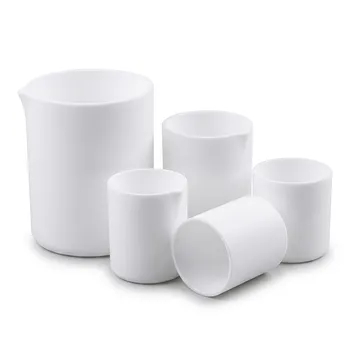
High Purity PFA Crucible and Corrosion Resistant PTFE Beaker for Trace Analysis and Custom Laboratory Applications

High Purity PFA Crucible and Corrosion Resistant PTFE Beaker for Trace Analysis and Custom Laboratory Applications

Discover high-purity PFA crucibles and PTFE beakers engineered for extreme chemical resistance and ultra-low background noise. These customizable fluoropolymer solutions ensure precision in trace analysis, semiconductor processing, and demanding industrial laboratory environments worldwide. Contact us for bespoke engineering quotes.

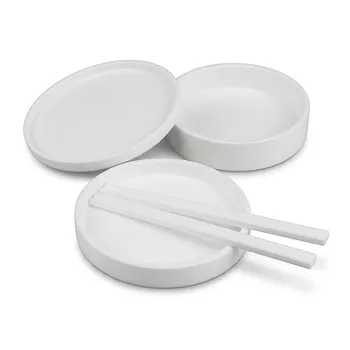
Custom Polytetrafluoroethylene PTFE Petri Dishes 60mm Corrosion Resistant Low Background Labware

Custom Polytetrafluoroethylene PTFE Petri Dishes 60mm Corrosion Resistant Low Background Labware

High-purity custom PTFE petri dishes engineered for trace analysis and corrosive environments. Features a 60mm diameter, zero leaching, and exceptional chemical inertness to ensure absolute sample integrity in highly demanding laboratory and industrial research applications.

Custom PTFE Petri Dish 30mm Corrosion Resistant Low Background Non Leaching Laboratory Ware

Custom PTFE Petri Dish 30mm Corrosion Resistant Low Background Non Leaching Laboratory Ware

High-purity custom PTFE petri dish with 30mm diameter features exceptional corrosion resistance and low background levels. Ideal for trace analysis and membrane casting, this non-leaching labware ensures contamination-free results across global laboratory facilities.

Custom PTFE Petri Dish 120mm Diameter Corrosion Resistant Low Background High Purity Labware

Custom PTFE Petri Dish 120mm Diameter Corrosion Resistant Low Background High Purity Labware

High-purity custom PTFE petri dishes offer exceptional corrosion resistance and low background levels for trace analysis. These 120mm dishes ensure zero dissolution or leaching, providing a non-contaminating environment for sensitive industrial and laboratory chemical processing and testing applications.

Large Scale PTFE Beakers and Flasks for High Temperature Corrosion Resistant Laboratory Applications with Custom CNC Fabrication

Large Scale PTFE Beakers and Flasks for High Temperature Corrosion Resistant Laboratory Applications with Custom CNC Fabrication

High-performance PTFE beakers and flasks offering superior chemical resistance and thermal stability for demanding laboratory environments. Fully customizable large-scale labware engineered with precision CNC fabrication to meet specific industrial requirements for high-purity trace analysis and chemical processing.

Custom PTFE Petri Dish 200mm High Purity Corrosion Resistant Low Background Laboratory Ware

Custom PTFE Petri Dish 200mm High Purity Corrosion Resistant Low Background Laboratory Ware

Procure custom 200mm PTFE petri dishes designed for high-purity trace analysis. These corrosion-resistant units offer ultra-low background levels and zero leaching, ensuring sample integrity in demanding laboratory environments. Contact our engineering team for bespoke fluoropolymer fabrication services today for quotes.

High Temperature Resistant Thickened PTFE Beaker 2000ml for Chemical Processing and Laboratory Trace Analysis

High Temperature Resistant Thickened PTFE Beaker 2000ml for Chemical Processing and Laboratory Trace Analysis

This thickened 2000ml PTFE beaker is engineered for high-temperature chemical resistance, withstanding hot plate heating up to 200°C without deformation. Our custom fluoropolymer vessels provide exceptional durability for demanding laboratory trace analysis and corrosive fluid processing applications.

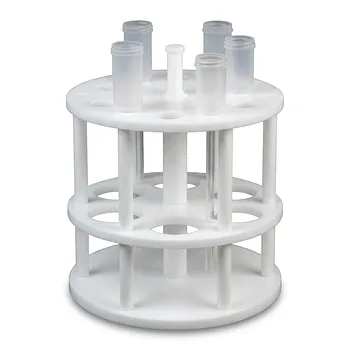
Custom PFA Microcolumn Racks and PTFE Machined Low Background Corrosion Resistant Laboratory Fixtures

Custom PFA Microcolumn Racks and PTFE Machined Low Background Corrosion Resistant Laboratory Fixtures

Optimize trace analysis with our custom PFA microcolumn racks and PTFE machined fixtures. These corrosion-resistant, low-background laboratory solutions offer exceptional durability and high-purity performance for demanding chemical processing and high-end research applications across diverse industrial environments today.

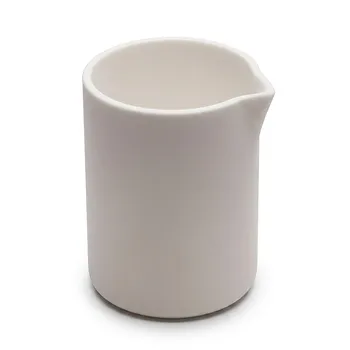
Heat Resistant Custom PTFE Laboratory Beaker for Hot Plate Heating and Trace Analysis

Heat Resistant Custom PTFE Laboratory Beaker for Hot Plate Heating and Trace Analysis

High-performance custom PTFE beakers designed for reliable hot plate heating up to 260°C. Engineered with superior chemical resistance and anti-deformation properties, these 30ml laboratory vessels ensure high-purity trace analysis and long-term durability in demanding industrial chemical processing environments.

Custom PTFE Beaker 350ml High Purity Laboratory Vessel with Optional Lid for Hot Plate Heating Applications

Custom PTFE Beaker 350ml High Purity Laboratory Vessel with Optional Lid for Hot Plate Heating Applications

Premium 350ml PTFE beaker designed for aggressive chemical processing and high-temperature laboratory applications. Fully customizable with lids and hot plate compatibility up to 200 degrees Celsius, ensuring superior chemical inertness and long-term durability in critical research environments.

Custom PTFE Wide Mouth Reagent Reaction Bottle Corrosion Resistant High Temperature Large Capacity Straight Body Laboratory Vessel

Custom PTFE Wide Mouth Reagent Reaction Bottle Corrosion Resistant High Temperature Large Capacity Straight Body Laboratory Vessel

High-performance custom PTFE reagent reaction bottles offering extreme chemical resistance and thermal stability. Engineered for high-purity applications, these large-capacity wide-mouth vessels ensure leak-proof storage and reaction processes in demanding industrial laboratory environments.

Custom PTFE Petri Dish 80mm Diameter Corrosion Resistant Low Background High Purity Laboratory Culture Vessel

Custom PTFE Petri Dish 80mm Diameter Corrosion Resistant Low Background High Purity Laboratory Culture Vessel

Discover high-purity custom PTFE petri dishes featuring 80mm diameters for demanding trace analysis. Our corrosion-resistant laboratory vessels ensure zero dissolution and ultra-low background levels, providing ultimate chemical inertness for sensitive pharmaceutical research and hazardous chemical processing industrial applications.

Custom Corrosion Resistant PFA PTFE Multi Neck Laboratory Reaction Flask GL Standard Mouth Fluoropolymer Flasks

Custom Corrosion Resistant PFA PTFE Multi Neck Laboratory Reaction Flask GL Standard Mouth Fluoropolymer Flasks

High-purity PFA multi-neck flasks offer ultimate chemical resistance for trace analysis and corrosive chemical processing. Featuring custom 2, 3, or 4 neck configurations and GL standard joints, these vessels are precision-machined for demanding industrial laboratory environments.

Custom PTFE Flask Large Volume 18L Corrosion Resistant Low Background High Purity Chemical Vessel

Custom PTFE Flask Large Volume 18L Corrosion Resistant Low Background High Purity Chemical Vessel

Optimize high-purity chemical processing with our custom 18L PTFE flasks. Engineered for extreme corrosion resistance and ultra-low trace element background, these large-volume vessels support demanding industrial laboratory applications with precision-machined reliability, bespoke design options, and unparalleled performance.

Corrosion Resistant PTFE Support with PFA Transparent Reaction Tank and High Purity PFA Sampling Tube for Trace Analysis

Corrosion Resistant PTFE Support with PFA Transparent Reaction Tank and High Purity PFA Sampling Tube for Trace Analysis

Optimized for trace analysis and corrosive chemical processing this high purity PTFE support and transparent PFA reaction system ensures zero heavy metal contamination custom engineered for laboratories demanding superior chemical resistance and precision fluid transfer in sensitive industrial applications

Large Capacity PTFE Reaction Flask 20L Custom Multi Neck Laboratory Boiling Flask Fluoropolymer Chemical Processing Vessel

Large Capacity PTFE Reaction Flask 20L Custom Multi Neck Laboratory Boiling Flask Fluoropolymer Chemical Processing Vessel

Optimized for extreme chemical resistance, this customizable 20L PTFE flask supports multi-neck configurations for complex laboratory reactions. Engineered for high-purity trace analysis and corrosive chemical processing, it ensures leak-free performance and exceptional durability in demanding industrial research environments.

Custom PTFE Petri Dishes Corrosion Resistant High Purity Low Background Labware

Custom PTFE Petri Dishes Corrosion Resistant High Purity Low Background Labware

High-purity custom PTFE petri dishes designed for trace analysis and membrane casting. These vessels offer exceptional chemical resistance, zero leaching, and a non-stick surface, ensuring the highest integrity for sensitive laboratory processes and demanding industrial applications.

Customizable PTFE Reaction Vessel with Electric Stirring Paddle and Buchner Funnel Vacuum Filtration System

Customizable PTFE Reaction Vessel with Electric Stirring Paddle and Buchner Funnel Vacuum Filtration System

High-performance customizable PTFE reaction vessel system featuring integrated electric stirring paddles and Buchner funnel vacuum filtration components designed for demanding laboratory environments requiring absolute chemical inertness, high-purity trace analysis, and bespoke engineering solutions for complex industrial applications.

Corrosion Resistant PTFE Small Reagent Bottle for Biopharmaceutical High Purity Sample Storage Non Stick Easy Clean Teflon Container

Corrosion Resistant PTFE Small Reagent Bottle for Biopharmaceutical High Purity Sample Storage Non Stick Easy Clean Teflon Container

High-performance PTFE reagent bottles designed for biopharmaceutical sample storage offer exceptional corrosion resistance, non-stick surfaces, and a wide temperature range, ensuring absolute sample integrity and leak-free performance in the most demanding ultra-pure laboratory and industrial environments.

Corrosion Resistant PTFE Small Reagent Bottle Non Stick Biopharmaceutical Sample Storage Vessel Easy Clean Teflon Container

Corrosion Resistant PTFE Small Reagent Bottle Non Stick Biopharmaceutical Sample Storage Vessel Easy Clean Teflon Container

This high-purity PTFE reagent bottle offers exceptional chemical resistance and non-stick surfaces for biopharmaceutical storage. Engineered for leak-free performance and easy cleaning, it supports customizable dimensions for demanding laboratory and industrial fluid handling applications.


Leave Your Message