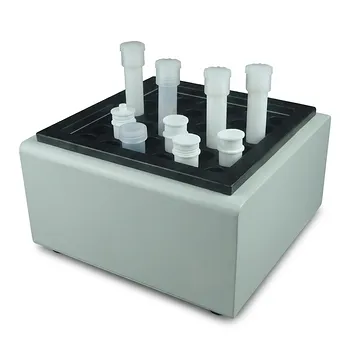
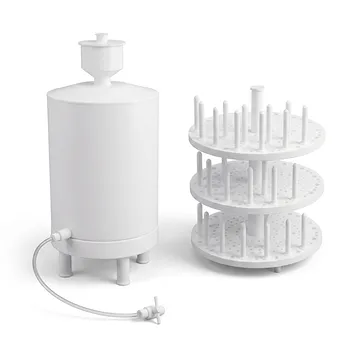
The argon (Ar) purging system is a critical control mechanism used to eliminate dissolved oxygen from the reaction environment. This process creates anaerobic conditions that effectively block the generation of superoxide radicals ($\cdot O_2^-$). By comparing degradation rates in oxygen-rich versus oxygen-depleted environments, researchers can definitively identify if superoxide radicals are the primary drivers of the photocatalytic reaction.
Argon purging serves as a "mechanical scavenger" that isolates the role of superoxide radicals by removing their chemical precursor—molecular oxygen. This allows researchers to distinguish between oxidative pathways driven by holes or hydroxyl radicals and those driven by electron-reduction products.
Eliminating the Precursor for Superoxide Radicals
The Role of Dissolved Oxygen
In a typical photocatalytic system, dissolved oxygen acts as a vital electron acceptor. When a photocatalyst is excited by light, it generates electrons ($e^-$) that migrate to the surface and react with oxygen to produce superoxide radicals ($\cdot O_2^-$).
Blocking the Electron Transfer Pathway
The Ar purging system works by bubbling inert argon gas through the solution to physically displace the dissolved oxygen. By removing the $O_2$ molecules, the electrons generated by the catalyst have no substrate to reduce, which effectively shuts down the production of superoxide species.
Creating an Anaerobic Environment
Maintaining a continuous flow of argon ensures the reaction remains anaerobic throughout the experiment. This controlled environment is necessary to ensure that any observed changes in pollutant degradation are due to the absence of oxygen, rather than fluctuating oxygen levels.
Validating the Photocatalytic Mechanism
Interpreting the Drop in Degradation Efficiency
If the degradation efficiency of a pollutant drops significantly after argon purging, it provides direct evidence that superoxide radicals are essential to the process. This drop indicates that without $\cdot O_2^-$, the remaining active species (like holes or hydroxyl radicals) cannot sustain the same level of reaction.
Distinguishing Between Active Species
Purging helps researchers isolate the specific contribution of the reductive pathway. If the reaction rate remains high despite the absence of oxygen, the mechanism is likely dominated by photogenerated holes ($h^+$) or hydroxyl radicals ($\cdot OH$) derived from water oxidation.
Providing Data for Kinetic Modeling
The delta between the "with oxygen" and "without oxygen" (Ar-purged) experiments provides the quantitative data needed to resolve the reaction mechanism. This comparison is a standard requirement for verifying the proposed pathways in high-level photocatalytic research.
Understanding the Trade-offs
The Challenge of Complete Removal
While argon is effective, achieving a 100% oxygen-free state is technically difficult. Residual trace amounts of oxygen can sometimes lead to a "background" production of radicals, which may slightly skew the results if the purging time is insufficient.
Impact on Gas-Liquid Equilibrium
Continuous purging can cause the evaporation of volatile pollutants or solvents over time. Researchers must account for this physical loss to ensure that a decrease in pollutant concentration is due to photocatalysis and not simply "stripping" caused by the gas flow.
How to Apply This to Your Project
Making the Right Choice for Your Goal
- If your primary focus is identifying the main reactive species: Use Ar purging in conjunction with chemical scavengers (like benzoquinone) to double-verify the role of superoxide radicals.
- If your primary focus is optimizing degradation for industrial use: Conduct purging experiments to determine if your system requires aeration or if it can function efficiently in low-oxygen environments.
- If your primary focus is studying hole-driven oxidation: Utilize argon purging to eliminate the "noise" created by oxygen-reduction products, allowing for a clearer view of the hole-mediated pathway.
By strategically removing oxygen via argon purging, you transform a complex, multi-variable reaction into a controlled experiment that reveals the fundamental chemistry of your catalyst.
Summary Table:
| Aspect | Function / Effect | Significance in Research |
|---|---|---|
| Oxygen Removal | Physically displaces dissolved $O_2$ using inert Ar gas | Blocks the precursor needed for superoxide formation. |
| Radical Inhibition | Shuts down the electron-reduction pathway | Confirms if $\cdot O_2^-$ is a primary degradation driver. |
| Environment Control | Creates and maintains anaerobic conditions | Allows isolation of hole-driven ($h^+$) oxidation pathways. |
| Mechanism Validation | Provides comparative kinetic data | Distinguishes between different oxidative active species. |
Elevate Your Photocatalytic Research with Precision Labware
Accurate mechanism trapping experiments demand high-purity environments free from contamination. KINTEK specializes in high-performance fluoropolymer solutions designed for the most sensitive laboratory applications.
Whether you need custom PTFE or PFA reaction vessels for argon purging, high-purity tubing and fittings for gas delivery, or advanced electrochemical cells and hydrothermal synthesis liners, our end-to-end CNC fabrication ensures your setup meets exact specifications. From basic beakers and reagent bottles to complex non-standard machined parts, KINTEK provides the chemically inert tools necessary to maintain absolute control over your reaction environment.
Ready to optimize your experimental setup? Contact KINTEK today to discuss how our bespoke fluoropolymer laboratory supplies can enhance your research precision.
References
- Priti Rohilla, Raj Kumar Das. Construction of a Bi-doped g-C <sub>3</sub> N <sub>4</sub> /Bi <sub>2</sub> MoO <sub>6</sub> ternary nanocomposite for the effective photodegradation of ofloxacin under visible light irradiation. DOI: 10.1039/d4ra08493d
This article is also based on technical information from Kintek Knowledge Base .
Related Products
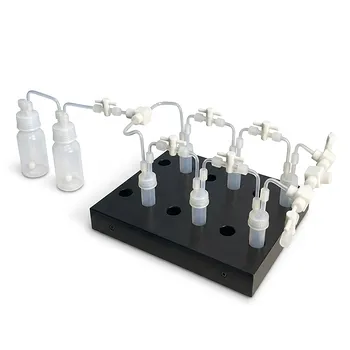
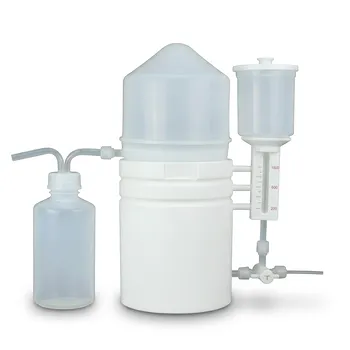
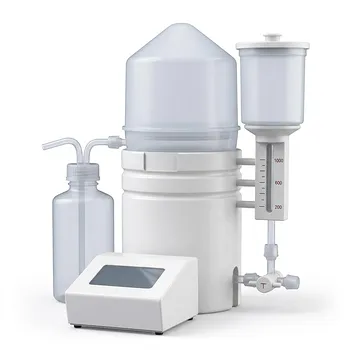
- High Purity PFA Inert Gas Purge Device for Semiconductor Precursor Trace Analysis Nitrogen and Argon Compatible Purging System
- High Purity PFA Nitrogen Purge System Corrosion Resistant 4 and 6 Position Evaporation Setup Customizable Laboratory Trace Analysis Equipment
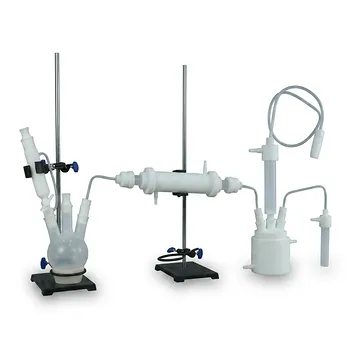
- Custom PTFE Condensation Reflux Distillation Purification System 500ml Corrosion Resistant Low Background
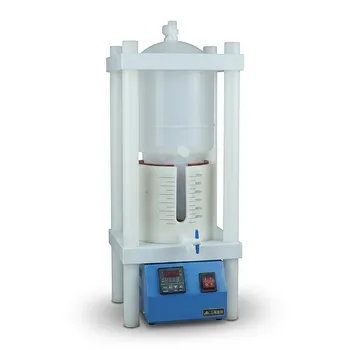
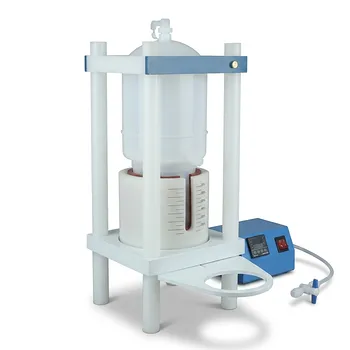
- High Purity Acid Purification System Repair Heating Mantle and Control Box Maintenance On Site Technical Service
- Electronic Grade Acid Preparation PFA Acid Purifier Sub Boiling Distillation System Corrosion Resistant Petrochemical Pharmaceutical Chemical Equipment
People Also Ask
- Why is high-purity PFA laboratory equipment required for the trace analysis and species identification of polyoxometalates?
- What are the technical advantages of using high-purity PFA labware for MnO2 preparation? Enhance Purity and Yield
- How can purging compounds assist in cleaning Teflon residue? A Step-by-Step Guide to Effective Equipment Cleaning
- What methods are used to join or weld two PTFE sheets together? Achieve a Seamless, Leak-Proof Bond
- Why is high vacuum sealing or inert gas protection required? Ensure Material Purity and Precise Stoichiometry