The key difference is control over molecular structure: Electrochemical Fluorination (ECF) generates a broad mixture of fluorinated molecules, including branched, linear, cyclic, and side-product structures. Telomerization is a more controlled chain-building process that predominantly produces linear perfluorocarbon chains, commonly with predictable chain-length patterns and even carbon numbers.
ECF offers a versatile but structurally diverse product mixture, while telomerization provides more uniform linear fluorinated chains. That structural uniformity supports the consistent thermal, mechanical, chemical, and surface performance required from PTFE and PFA laboratory products.
How the Two Synthesis Methods Differ
Electrochemical Fluorination Creates Molecular Diversity
ECF replaces hydrogen atoms with fluorine by passing an electric current through a suitable compound in anhydrous hydrogen fluoride. The reaction is effective, but it is not perfectly selective.
The result is typically a complex mixture containing straight-chain, branched, and cyclic fluorinated compounds, along with incompletely fluorinated materials and other side products. Separation and purification may therefore be necessary when a narrowly defined molecular structure is required.
Telomerization Controls Chain Growth
Telomerization builds fluorinated chains by adding short fluorinated units to a reactive starting molecule, known as a telogen. The process is designed to regulate chain propagation and produce fluorocarbon structures with a more predictable length and architecture.
The resulting chains are predominantly linear and unbranched. In common fluorotelomer systems, the starting telogen helps determine the chain-length pattern, often producing chains associated with even carbon numbers.
The Practical Distinction
The simplest comparison is structural breadth versus structural control:
- ECF: broad product distribution with multiple molecular architectures.
- Telomerization: more controlled production of linear fluorinated chains.
- ECF products: useful where a mixture of fluorinated compounds is acceptable or desirable.
- Telomerized products: better suited to applications requiring consistent molecular structure and predictable material behavior.
Neither method is universally superior. The appropriate method depends on whether the application prioritizes synthetic versatility or tight control over molecular architecture.
Why Linearity Matters in PTFE and PFA
Linear Chains Pack More Consistently
PTFE and PFA are fluoropolymers built around carbon-fluorine backbones. A largely linear, unbranched molecular structure allows polymer chains to pack and crystallize more consistently during processing.
This consistency contributes to predictable density, dimensional stability, and surface characteristics. It also helps manufacturers produce parts with repeatable performance from one production batch to the next.
Strong Carbon-Fluorine Bonds Support Thermal Stability
Fluorinated polymer chains are highly resistant to heat because the carbon-fluorine bond is exceptionally strong. A uniform polymer structure helps preserve this resistance throughout the material rather than introducing irregularities that can affect local behavior.
For laboratory products exposed to elevated temperatures, such as microwave digestion vessels, this stability is essential. The material must withstand repeated heating cycles without significant degradation or loss of shape.
Uniform Structure Improves Mechanical Reliability
Structural regularity supports mechanical strength and dimensional consistency. This matters in precision CNC-machined PTFE and PFA fittings, where threads, sealing surfaces, and narrow flow paths must maintain their intended geometry.
A more uniform material is easier to machine predictably. It is also less likely to contain structural variations that contribute to inconsistent deformation, leakage, or premature failure under pressure and temperature changes.
Smooth Surfaces Protect Sample Integrity
PTFE and PFA are valued for their chemically inert, low-friction, and non-wetting surfaces. A uniform fluoropolymer structure helps produce smooth, non-porous surfaces that reduce the retention of liquids, particles, and contaminants.
That benefit is especially important in high-purity liquid handling and sample preparation. Lower surface retention reduces carryover between samples and makes cleaning or rinsing more effective.
Where These Benefits Matter in Laboratory Products
Precision CNC-Machined Fittings
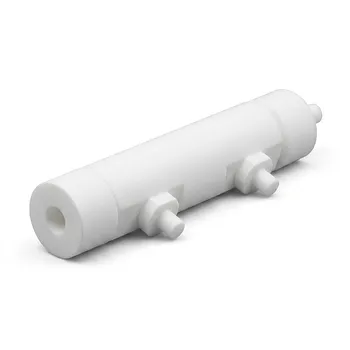
Fittings require accurate dimensions and reliable sealing interfaces. Linear and uniform fluoropolymer structures support consistent machining, low surface friction, and chemical resistance against aggressive laboratory fluids.
These characteristics help fittings maintain leak-resistant connections while minimizing contamination and sample hold-up in the fluid path.
Microwave Digestion Vessels
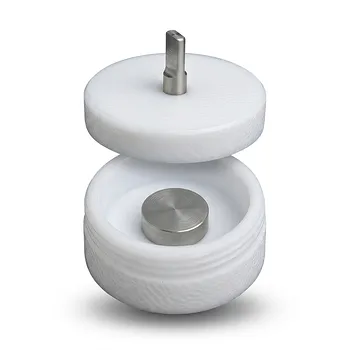
Microwave digestion exposes vessels to elevated temperature, chemical attack, and pressure. PFA and PTFE products must retain their shape and chemical integrity under those combined conditions.
Thermal stability, low porosity, and chemical inertness help preserve the sample environment. They also reduce the risk that the vessel itself will introduce impurities into the digestion process.
Electrochemical Cells
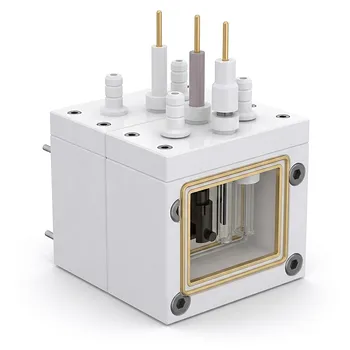
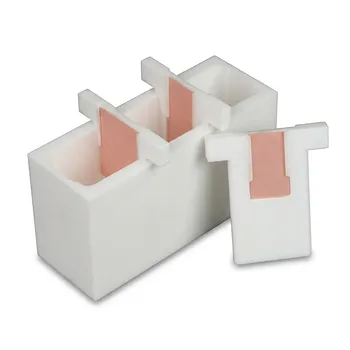
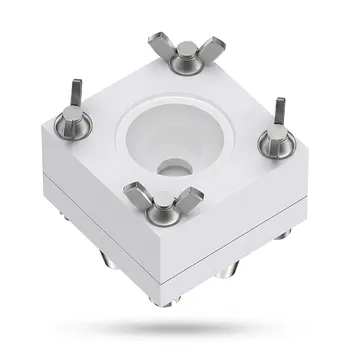
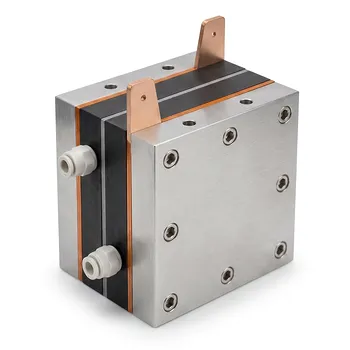
Electrochemical cells depend on chemically resistant materials with predictable surfaces and electrical isolation properties. Fluoropolymer components can help prevent unwanted reactions between the cell body and the electrolyte or sample.
Smooth, non-porous surfaces also reduce contamination and make the cell easier to clean between experiments. Consistent dimensions are important when electrode spacing and fluid volume affect measurement repeatability.
Understanding the Trade-offs
ECF Can Be Less Predictable
The molecular diversity produced by ECF can complicate purification and quality control. Different chain architectures may have different boiling points, reactivities, or physical properties, making the final product less uniform unless additional processing is used.
However, ECF remains valuable because it can fluorinate a wide range of starting compounds and provide access to structures that may be difficult to obtain through telomerization.
Telomerization Is More Selective but More Constrained
Telomerization offers better control over linear chain structure, but its chemistry depends on compatible telogens, monomers, and reaction conditions. It is therefore not a universal replacement for ECF.
The process can also produce a distribution of chain lengths rather than one single molecular size. “Controlled” means more predictable and narrower in architecture or composition, not necessarily perfectly monodisperse.
Polymer Performance Depends on Processing Too
Linearity is important, but it is not the only factor determining PTFE or PFA performance. Polymer grade, molecular weight, crystallinity, additives, molding conditions, machining quality, and thermal history also influence the finished product.
A well-controlled raw material can still perform poorly if it is processed incorrectly. Conversely, manufacturing controls can improve the consistency of products made from materials with different feedstock histories.
Making the Right Choice for Your Goal
The synthesis route should be evaluated together with the required purity, structure, processing behavior, and end-use performance.
- If your primary focus is synthetic versatility: ECF can be appropriate because it produces a broad range of fluorinated structures from diverse starting materials.
- If your primary focus is structural uniformity: Telomerization is generally preferable because it favors linear, more predictable perfluorocarbon chains.
- If your primary focus is high-purity liquid handling: Choose PTFE or PFA products with smooth, non-porous, chemically inert surfaces and appropriate manufacturing controls.
- If your primary focus is thermal and mechanical reliability: Favor fluoropolymer products made with consistent material grades and processing methods that preserve dimensional stability.
- If your primary focus is analytical reproducibility: Prioritize low-contamination PTFE or PFA components with predictable geometry, minimal sample retention, and repeatable surface quality.
Understanding the difference between molecular uniformity and molecular diversity makes it easier to match fluorinated chemistry with the performance demands of the finished laboratory product.
Summary Table:
| Aspect | Electrochemical Fluorination (ECF) | Telomerization |
|---|---|---|
| Process | Uses electric current in HF to replace H with F | Chain-building from telogen and fluorinated units |
| Product structure | Broad mixture: linear, branched, cyclic, side products | Predominantly linear, controlled chain lengths |
| Molecular control | Low to moderate; requires purification | High; predictable architecture |
| Typical chain lengths | Varied, not specific | Often even carbon numbers |
| Key advantage | Versatile synthesis of diverse structures | Uniform structure for consistent material properties |
| Applications | When mixtures are acceptable | When consistency is critical (labware) |
Elevate your laboratory with KINTEK's precision PTFE and PFA products, engineered for high-purity performance. Our expertise in fluoropolymer synthesis and CNC machining ensures consistent quality for your critical applications. Contact us today to discuss your requirements and experience the KINTEK advantage.
Related Products
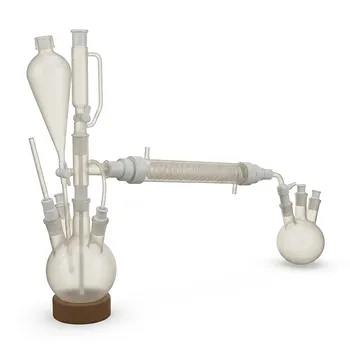
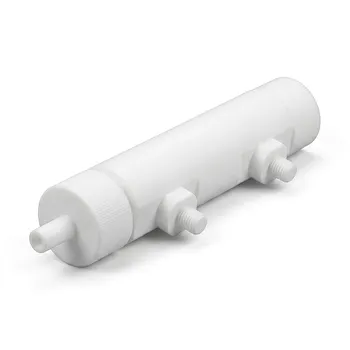
- PTFE Distillation Condensation Apparatus High Temperature Hydrofluoric Acid Resistant Fluorination Reaction Flask
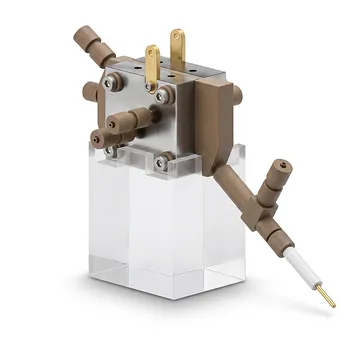
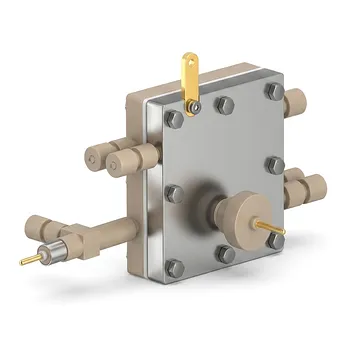
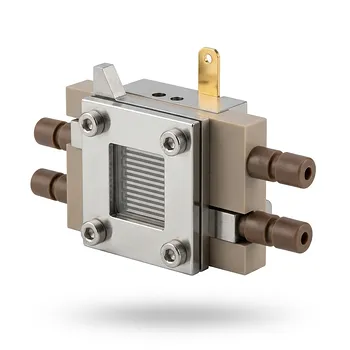
- Multi Functional Gas Diffusion Electrochemical Cell for CO2 Reduction and Solid State Membrane Electrode Assembly Electrolysis
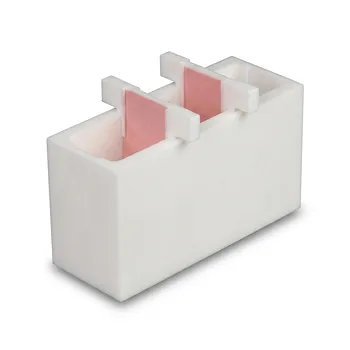
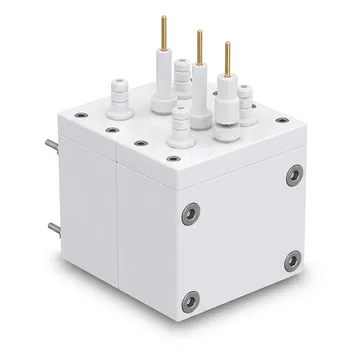
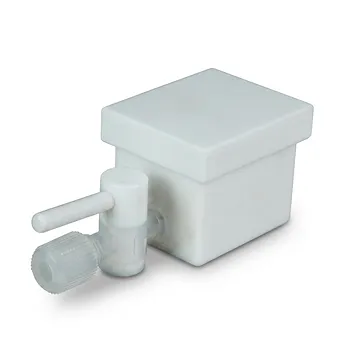
- Square PTFE Electrochemical Cell for Silicon Wafer Processing and Hydrofluoric Acid Resistance in Semiconductor and New Energy Research
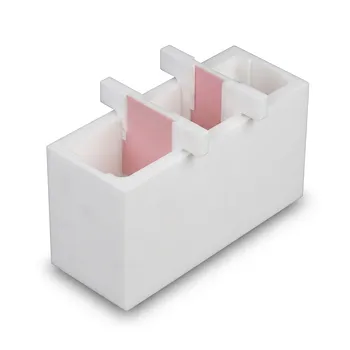
- Corrosion Resistant PTFE Electrochemical Cell for New Energy Research Inert Insulating Customizable Lab Reaction Vessel
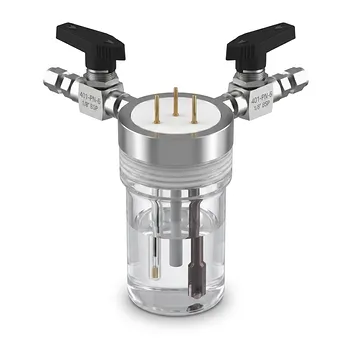
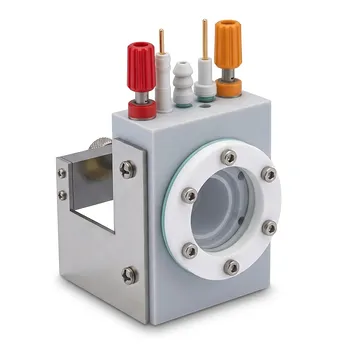
- All PTFE Exchangeable Membrane Electrochemical Cell Dual Chamber Three Electrode Photoelectrochemical Cell for Laboratory Trace Analysis
People Also Ask
- How does the low surface energy of PTFE benefit the condensation process? Boost Heat Transfer and Prevent Fouling
- What structural characteristics provide PTFE fluoropolymer laboratory apparatus with high thermal stability? Strong C-F bonds, dense fluorine shielding, and rigid helical conformation ensure stability during high-temperature analysis.
- How can autopolymerization of TFE gas be prevented during storage and handling? Master TFE safety with oxygen control, inhibitors, and robust system design.
- When synthesizing fluorinated polymers using volatile and toxic monomers like octafluorocyclopentene (OFCP) or decafluorocyclohexene (DFCH), what material safety and thermal features are required for fluoropolymer laboratory reaction apparatus and fluid h
- How do pyrolysis temperature and steam diluent ratios influence tetrafluoroethylene (TFE) conversion and yield in fluoropolymer monomer reaction apparatus? Optimize TFE yield with temperature and steam control