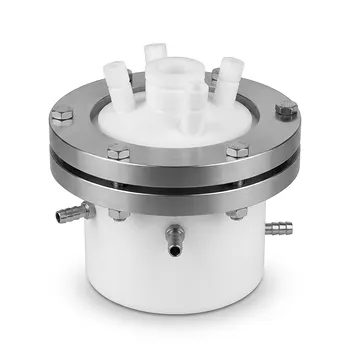
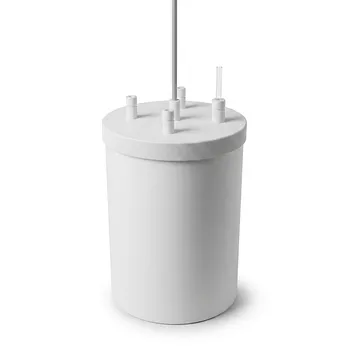
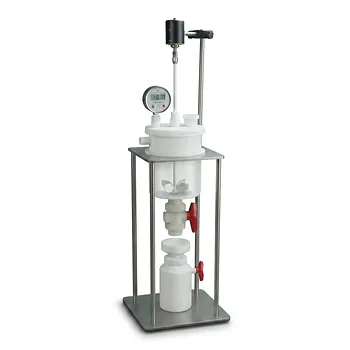
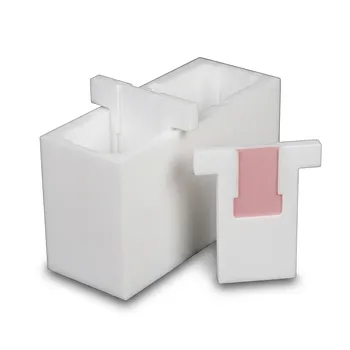
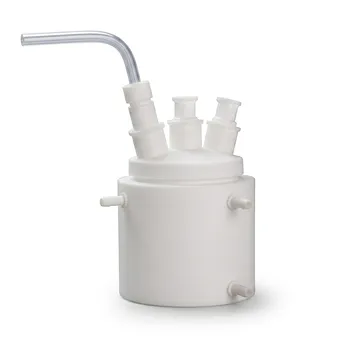
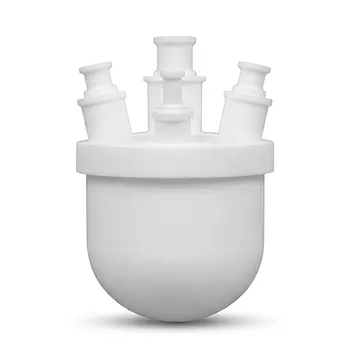
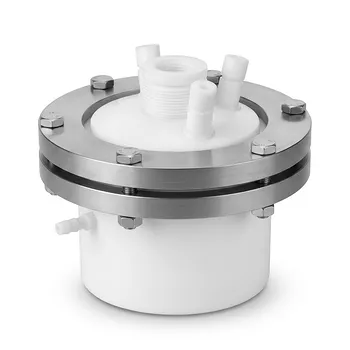
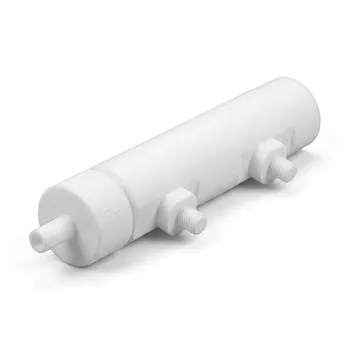
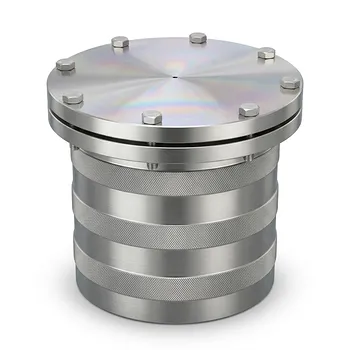
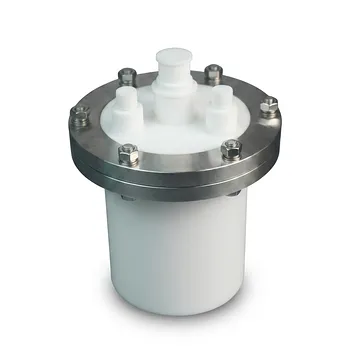
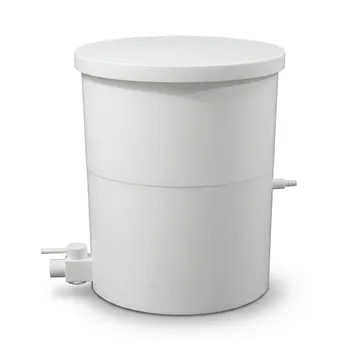
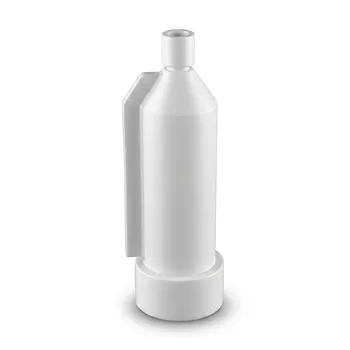
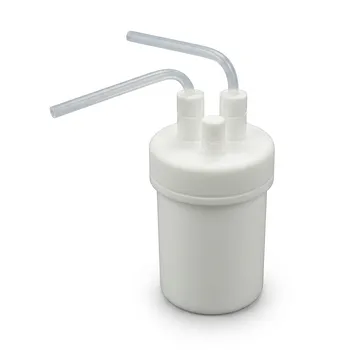
PTFE microchannel reactors are specialized continuous-flow devices characterized by internal fluid pathways with hydraulic diameters typically ranging from 100 to 1000 micrometers (µm). These reactors leverage the extreme chemical inertness and low surface energy of polytetrafluoroethylene to facilitate reactions involving aggressive reagents that would degrade metal or glass systems.
A PTFE microchannel reactor combines microscale confinement (generally under 1 mm) with a near-universal chemical resistance, providing a non-stick environment that minimizes fouling and enables precise control over continuous-flow processes.
Structural Architecture and Fabrication
Internal Channel Geometry
The internal structure of these reactors consists of an interconnected network of microchannels. These are primarily fabricated in two ways: by coiling PTFE capillary tubing into modular systems or by CNC-milling intricate pathways directly into solid PTFE plates and blocks.
Modular and Hermetic Assembly
Advanced units often utilize a mechanical compression or "click" design to ensure a hermetic seal. This structural approach allows the reactor to be easily disassembled for cleaning or reconfiguration, which is a significant advantage over fixed-capillary systems when handling solids.
Surface Characteristics
Because PTFE has exceptionally low surface energy, the internal walls are both hydrophobic and oleophobic. This structural property prevents the adhesion of precipitates, biomolecules, and reagents, effectively mitigating the "clogging" issues common in microscale chemistry.
Defining Dimensions and Scales
The Microscale Threshold
The primary defining dimension of these reactors is the lateral width or hydraulic diameter of the channels, which typically falls between 10 µm and 1000 µm. Most industrial and laboratory applications focus on the 100–1000 µm range to balance high surface-area-to-volume ratios with manageable pressure drops.
Confinement and Flow
These dimensions ensure that the fluid remains in a state of confined flow, where heat and mass transfer are significantly enhanced. By keeping the characteristic length scale below 1 mm, the reactor achieves rapid mixing and precise temperature control that macro-scale reactors cannot replicate.
Wall Thickness and Reinforcement
While the internal channels are microscopic, the outer dimensions of the PTFE block are often substantial to provide mechanical stability. In high-pressure scenarios, PTFE is sometimes used as a liner or coating inside metallic or silicon substrates to combine chemical resistance with structural strength.
Material-Driven Performance
Thermal Stability Limits
PTFE remains structurally sound for continuous use at temperatures up to approximately 260°C. Although the material has a melting point exceeding 350°C, the reactor's structural integrity for pressurized flow is generally rated for the lower 260°C threshold.
Chemical Universality
The structure is resistant to almost all acids (including hydrofluoric acid), bases, and volatile organic solvents. This makes the PTFE microchannel reactor a near-universal tool for synthetic chemistry, particularly for reactions involving highly corrosive organometallics.
Understanding the Trade-offs
Pressure Limitations
The primary drawback of a pure PTFE structure is its moderate pressure rating. Because PTFE is relatively soft compared to stainless steel, these reactors are typically limited to a few bar of pressure unless they are structurally reinforced by an external jacket.
Thermal Conductivity Challenges
PTFE is an effective thermal insulator, possessing low thermal conductivity. While this helps maintain internal temperatures during external heating, it can also slow down the response time for rapid temperature changes compared to silicon or metallic microreactors.
How to Apply This to Your Project
Selection Based on Goals
When choosing a PTFE microchannel reactor, your specific process requirements should dictate the fabrication method and dimensions.
- If your primary focus is preventing clogging with precipitates: Select a CNC-machined plate reactor with a compression seal that allows for easy disassembly and cleaning.
- If your primary focus is extreme chemical compatibility: Ensure the entire fluid path is 100% PTFE, avoiding any metal connectors or non-fluorinated O-rings.
- If your primary focus is high-pressure synthesis: Look for a reactor that utilizes a PTFE liner inside a secondary metallic housing to ensure safety and structural integrity.
By matching the microscale dimensions of the PTFE reactor to your specific reagent compatibility needs, you can achieve a level of process control and safety unattainable in traditional batch vessels.
Summary Table:
| Feature | Specifications & Details |
|---|---|
| Channel Diameter | 100 µm – 1000 µm (Micron-scale pathways) |
| Core Material | High-performance Polytetrafluoroethylene (PTFE) |
| Thermal Limit | Up to 260°C for continuous operation |
| Fabrication Method | Precision CNC-milling or Modular Capillary Systems |
| Surface Property | Ultra-low surface energy (Non-stick/Anti-clogging) |
| Chemical Resistance | Near-universal (Resistant to HF, bases, and organics) |
Optimize Your Process Control with KINTEK’s Fluoropolymer Excellence
From advanced PTFE microchannel reactors and custom CNC-machined components to everyday essentials like beakers, crucibles, and high-purity trace analysis tools, KINTEK provides the ultimate solutions for demanding laboratory environments. We specialize in high-performance fluoropolymer materials, offering everything from fluid transfer components (tubing, valves, fittings) and sample prep tools to bespoke electrochemical cells and hydrothermal synthesis liners.
Unlock the potential of precision engineering for your lab. Contact KINTEK today to explore our full range of standard and custom PTFE/PFA laboratory supplies designed for maximum chemical resistance and performance.
Related Products
- Customizable Polytetrafluoroethylene PTFE Reactor and Corrosion Resistant Teflon Flask
- PTFE 10L Reaction Vessel with Stirring Paddle Customizable Corrosion Resistant High Temperature Reactor for Biopharmaceutical and Chemical Processing
- Custom PTFE Multilayer Reaction Apparatus High Temperature Corrosion Resistant Threaded Modular Sieve System
- Custom PTFE Volatile Matter Condensation Reflux Reaction Device Corrosion Resistant Pressure Resistant
- High Performance Customizable PTFE Reaction Vessel and Corrosion Resistant Polytetrafluoroethylene Flask for Chemical Laboratory Use
People Also Ask
- What functional advantages do PTFE reactors provide over glass? Achieve Superior Purity and Safety in Synthesis
- What are the primary fabrication methods for capillary-based and monolithic PTFE reactors? Expert Production Insights
- Why are PTFE or PFA reaction vessels required for the selective etching process of MXene using hydrofluoric acid (HF)?
- Why is a Teflon-lined (PTFE) reactor vessel required for the hydrothermal synthesis of V2O5 and SnO2 nanomaterials?
- What is the role of high chemical inertness reaction vessels in the organic synthesis of acylhydrazone ligands? | Guide