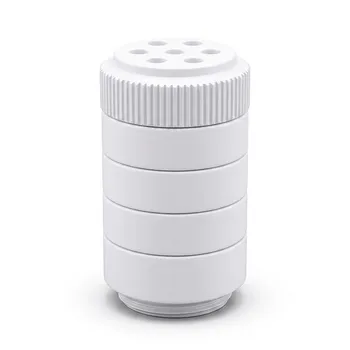
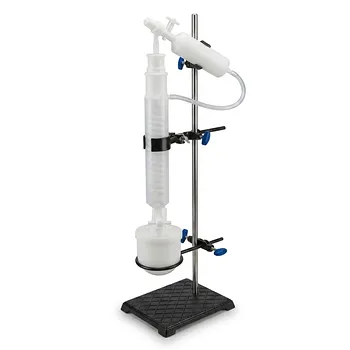
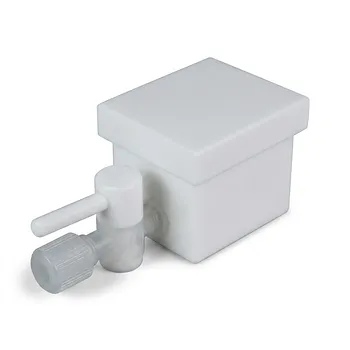
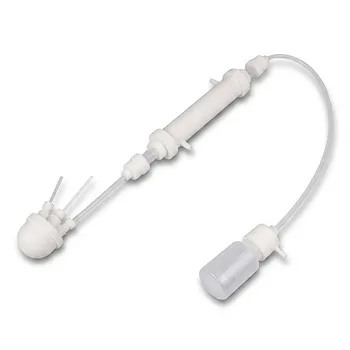
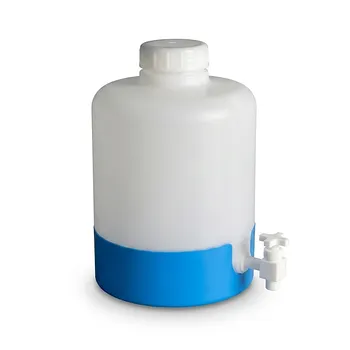
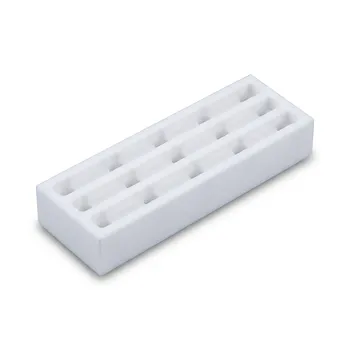
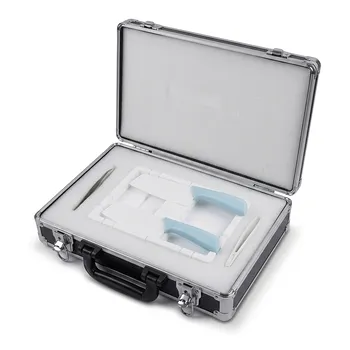
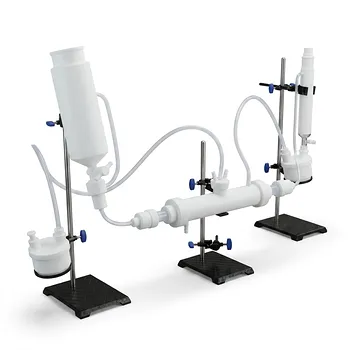
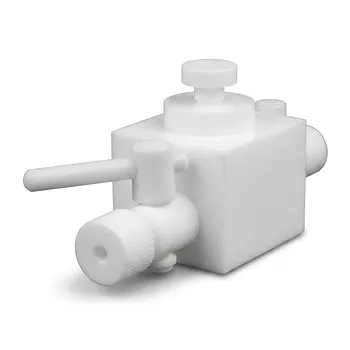
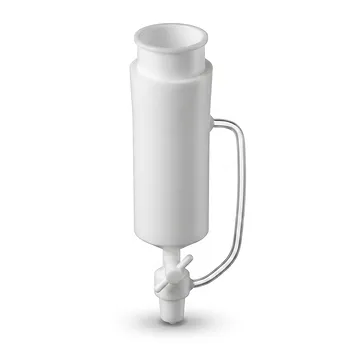
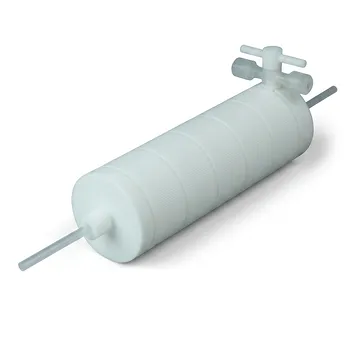
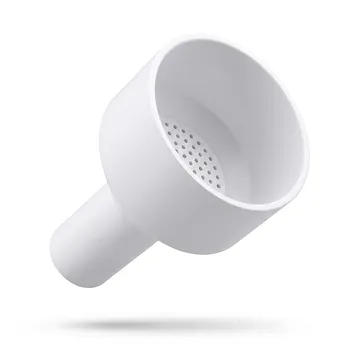
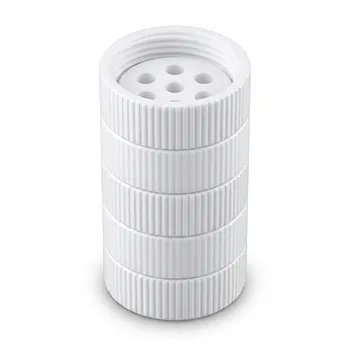
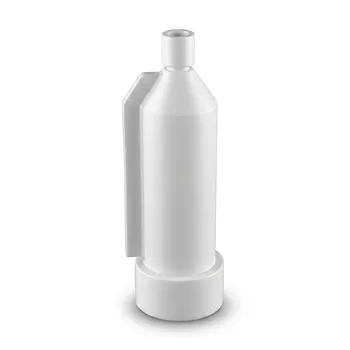
PTFE apparatus provides a transformative safety profile in the laboratory by replacing fragile glass with a virtually unbreakable, chemically inert material. In addition to its mechanical resilience, PTFE is non-flammable, physiologically safe, and capable of withstanding extreme thermal fluctuations without cracking. These properties mitigate the risk of hazardous spills and personnel injury while ensuring long-term durability in corrosive environments.
Core Takeaway: PTFE is the definitive choice for laboratory environments where mechanical durability and chemical safety are paramount, offering a shatter-proof, non-reactive alternative to glassware that simplifies sterilization and minimizes contamination.
Superior Mechanical Resilience
Resistance to Structural Failure
Unlike glassware, PTFE is unbreakable under normal handling conditions. When subjected to physical stress or high centrifugal forces, virgin PTFE tends to deform rather than shatter, preventing catastrophic failure and the resulting exposure to hazardous contents.
Non-Stick and Hydrophobic Properties
The material possesses a notable non-stick surface and hydrophobic characteristics that repel water-based substances. This ensures high sample recovery rates, prevents adhesion of sensitive materials, and allows for effortless cleaning and maintenance.
Material Flexibility and Versatility
PTFE offers a unique degree of flexibility, allowing tubing to be bent to fit specific layouts without compromising integrity. It can also be molded with magnetic cores to create specialized tools like stirrers or ergonomic handles for heavy-duty lab-ware.
Advanced Chemical and Thermal Safety
Universal Chemical Inertness
PTFE is chemically inert and resistant to nearly all harsh chemicals, solvents, and corrosives. This resistance prevents material degradation and ensures that the apparatus does not react with or contaminate the substances being processed.
High Thermal Stability
The material maintains its mechanical properties across a broad temperature range, with a maximum operating temperature of 260°C. It remains stable during rapid temperature fluctuations and can cool down quickly from high heat without the risk of thermal shock cracking.
Physiological and Environmental Safety
PTFE is non-toxic, odorless, and FDA-approved, making it safe for food-grade and medical applications. Furthermore, its resistance to UV light prevents environmental degradation, ensuring the material does not become brittle or leach over time.
Operational Efficiency and Maintenance
Comprehensive Sterilization Options
The material is highly adaptable to modern lab protocols, as it can be sterilized using all standard methods. This includes autoclaving (steam), dry heat, and chemical sterilization, ensuring the apparatus remains free of contaminants.
Superior Sealing Capabilities
As a relatively soft material, PTFE excels in sealing applications, such as stopcocks and joints. It effectively fills minor gaps under pressure to provide a secure, leak-proof finish that is essential when handling volatile or toxic substances.
Understanding the Trade-offs
Mechanical Deformation (Creep)
While the ability to deform prevents shattering, it also means PTFE can change shape permanently under sustained heavy loads or high pressures over time. This "creep" must be accounted for in applications requiring precise dimensional tolerances.
Temperature Limitations
Although thermally stable up to 260°C, exceeding this limit can lead to the release of fumes that cause polymer fume fever. Users must ensure that heating elements are strictly regulated to stay within the safe operating window.
Initial Cost vs. Value
PTFE apparatus often carries a higher initial cost compared to standard glass or basic polymers. However, this is typically offset by its long-term durability and the reduced cost of replacing broken glassware or managing hazardous spills.
How to Apply This to Your Project
When integrating PTFE into your laboratory workflow, consider your primary operational goals to maximize the material's benefits.
- If your primary focus is handling highly corrosive acids or solvents: Utilize PTFE containers and stirrers to ensure total chemical inertness and prevent apparatus degradation.
- If your primary focus is personnel safety in high-traffic areas: Replace high-volume glass vessels with PTFE to eliminate the risk of shatter-related injuries and hazardous spills.
- If your primary focus is sample purity and recovery: Leverage PTFE’s non-stick and hydrophobic surfaces to minimize sample loss and cross-contamination.
- If your primary focus is high-pressure sealing: Use PTFE gaskets and stopcocks to achieve a superior, airtight seal that conforms to the layout of your apparatus.
By prioritizing PTFE for high-risk or high-purity tasks, you create a more resilient and predictable laboratory environment.
Summary Table:
| Feature | Advantage | Laboratory Benefit |
|---|---|---|
| Structural Resilience | Unbreakable & Shatter-proof | Prevents hazardous spills and personnel injury |
| Chemical Inertness | Resists nearly all solvents | Ensures sample purity and prevents corrosion |
| Surface Properties | Non-stick & Hydrophobic | Higher sample recovery and simplified cleaning |
| Thermal Range | Stable up to 260°C | Withstands extreme heat without thermal shock |
| Maintenance | Multi-method Sterilization | Compatible with autoclaving and chemical cleaning |
| Sealing | Pliable & Conformable | Provides leak-proof joints for volatile substances |
Elevate Your Lab Safety and Precision with KINTEK PTFE Expertise
Stop worrying about fragile glassware and hazardous spills. KINTEK provides a comprehensive range of laboratory supplies crafted exclusively from high-performance PTFE and PFA. From basic beakers, measuring cylinders, and reagent bottles to advanced electrochemical cells, battery testing fixtures, and microchannel reactors, our products ensure maximum chemical inertness and mechanical durability.
Our specialized end-to-end custom CNC fabrication allows us to deliver exactly what you need—from high-volume consumables like tubing, valves, O-rings, and gaskets to complex, non-standard machined parts and bespoke experimental setups. Whether you require fluid transfer components or hydrothermal synthesis liners for high-pressure reactions, KINTEK is your trusted partner for high-purity trace analysis and corrosive chemical handling.
Secure your laboratory’s future today. Contact our engineering team to request a quote or custom design!
Related Products
- Custom PTFE Multilayer Reaction Apparatus High Temperature Corrosion Resistant Threaded Modular Sieve System
- PTFE Condensation Reflux and Gas Collection Apparatus for Corrosive Biochemical Processing Customizable High Temperature System
- Custom PTFE Laboratory Apparatus Corrosion Resistant Low Background Reaction Cells Precision CNC Fabrication
- Custom PTFE Condensation Reflux Apparatus with Serpentine Coil and Flask Collection System for Corrosive Chemical Processing
- Customizable PTFE Seals Filter Holders for Versatile Applications
People Also Ask
- How does PTFE's melting behavior affect custom lab apparatus? Key insights for manufacturing.
- What are the primary fabrication methods for capillary-based and monolithic PTFE reactors? Expert Production Insights
- What functional advantages do PTFE reactors provide over glass? Achieve Superior Purity and Safety in Synthesis
- What is the chemical compatibility range for PTFE laboratory apparatus? Explore Near-Universal Chemical Resistance.
- What are the primary fabrication methods for PTFE laboratory apparatus? Expert Insights into Fluoropolymer Engineering