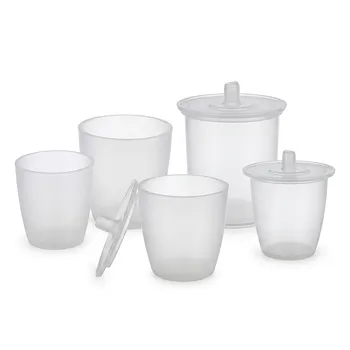
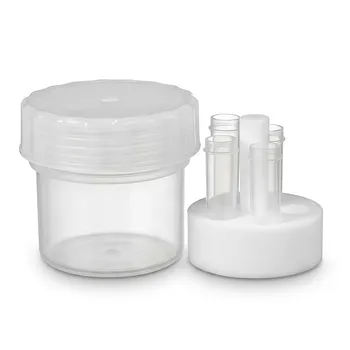
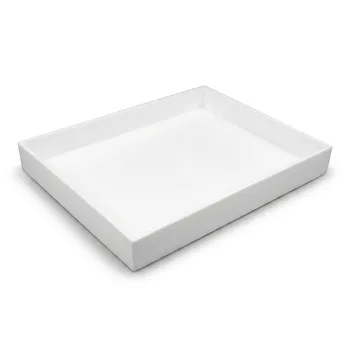
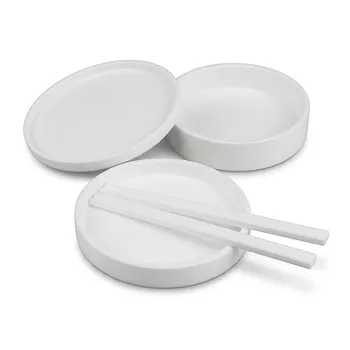
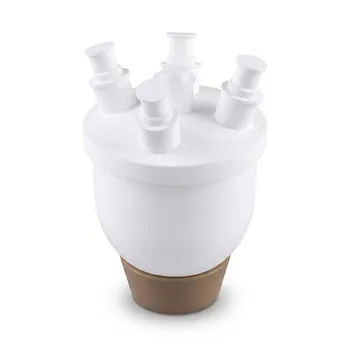
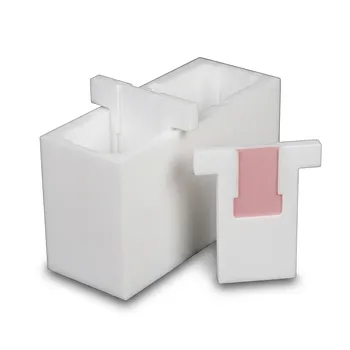
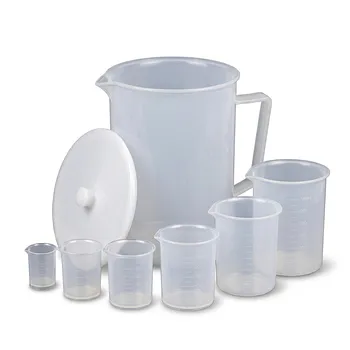
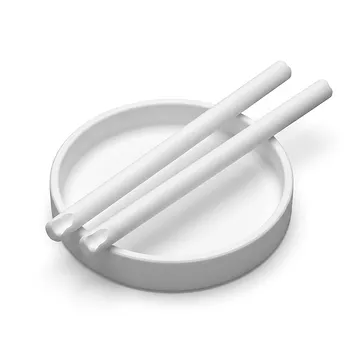
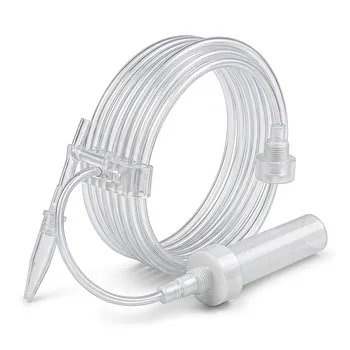
High-purity PTFE and PFA laboratory products ensure the structural integrity and purity of mesoporous silica by providing near-absolute chemical inertness. These materials prevent corrosive reagents like sulfuric acid and alkaline silicates from reacting with container walls, which eliminates the risk of leaching metal ions into the synthesis environment. By maintaining a contamination-free system, these fluoropolymers safeguard the delicate surface properties and adsorption characteristics of the resulting nanomaterials.
Using high-purity fluoropolymers like PTFE and PFA is critical for mesoporous silica synthesis because it isolates the reaction from external chemical interference. This ensures that the material's pore structure and surface chemistry are dictated solely by the intended reagents rather than leached impurities or container corrosion.
The Role of Chemical Inertness in Corrosive Environments
Resistance to Strong Acids and Alkaline Reagents
Mesoporous silica synthesis often involves concentrated sulfuric acid or highly alkaline silicate solutions that can degrade standard laboratory glassware. PTFE (Polytetrafluoroethylene) and PFA (Perfluoroalkoxy) are virtually non-reactive, ensuring the container remains structurally sound even during prolonged exposure to these aggressive chemicals.
Prevention of Container-Reagent Interaction
Unlike glass, which can leach silicates or boron when exposed to strong bases, fluoropolymers do not participate in the reaction. This prevents the unintended alteration of the reagent concentration, ensuring that the stoichiometry of the synthesis remains precise and reproducible.
Safeguarding Material Purity and Surface Properties
Eliminating Trace Metal Ion Leaching
The presence of trace metal ions can cause unwanted "doping" or catalytic effects that alter the semiconductor energy bands or surface activity of nanomaterials. High-purity PFA and PTFE feature exceptionally low leaching rates, preventing the introduction of background impurities that could interfere with high-sensitivity adsorption experiments.
Avoiding Ion Adsorption and Loss
Fluoropolymers possess unique non-stick properties that prevent the adsorption of metal ions or organic templates onto the container walls. This ensures that all components of the synthesis solution remain available for the formation of the silica framework, maintaining the integrity of the pore structure.
Enhancing Experimental Reproducibility
Consistent Control Over Composition
By removing the variable of container-wall contamination, researchers achieve much tighter control over the final composition of the mesoporous silica. This level of purity is essential for validating quantum chemical models or conducting precise chelation kinetics studies.
Reliability of Analytical Data
Using high-purity fluoropolymers minimizes background interference during trace element determination and subsequent characterization. This leads to more accurate data in biochemical analysis and high-precision metabolite studies where even parts-per-billion contamination levels are problematic.
Understanding the Trade-offs
Cost and Temperature Considerations
While PTFE and PFA offer superior chemical resistance, they represent a significantly higher initial investment compared to standard borosilicate glass or disposable plastics. Additionally, while these materials handle high temperatures well, they have lower thermal conductivity than glass, which may affect heating rates in temperature-sensitive reactions.
Mechanical Limitations
Fluoropolymers are softer than glass and can be prone to scratching if cleaned with abrasive materials. Furthermore, PFA is translucent rather than transparent, which may make the visual monitoring of phase changes or precipitates slightly more challenging during the synthesis process.
How to Apply This to Your Project
When selecting laboratory ware for advanced material synthesis, your choice should align with the specific chemical demands of your protocol.
- If your primary focus is maximizing surface purity: Utilize PFA beakers and reagent bottles to achieve the lowest possible leaching rates and ensure no trace metal interference.
- If your primary focus is cost-effective acid handling: Opt for PTFE labware for bulk reagent preparation and storage where extreme chemical resistance is required but transparency is not critical.
- If your primary focus is trace-level adsorption studies: Prioritize fluoropolymer containers to prevent the loss of analytes to the container walls through adsorption.
Choosing the correct high-purity fluoropolymer ensures that your experimental results reflect the true properties of your synthesized material rather than the artifacts of your laboratory environment.
Summary Table:
| Feature | PTFE/PFA Benefit | Impact on Mesoporous Silica Synthesis |
|---|---|---|
| Chemical Inertness | Resistance to strong acids & alkaline reagents | Prevents container degradation and unintended side reactions. |
| Low Leaching | Minimal trace metal ion release | Ensures surface purity and prevents unwanted material "doping." |
| Non-Stick Surface | Prevents ion & template adsorption | Maintains precise reagent stoichiometry and pore structure integrity. |
| Material Stability | No silicate or boron leaching | Guarantees analytical accuracy in trace-level characterization. |
Elevate Your Synthesis with KINTEK’s High-Performance Fluoropolymers
Don’t let container contamination compromise your research. KINTEK specializes in manufacturing high-purity PTFE and PFA laboratory supplies designed for the most demanding chemical environments. Whether you are synthesizing advanced nanomaterials or conducting trace-level analysis, our products provide the absolute chemical inertness you need.
Our extensive range includes:
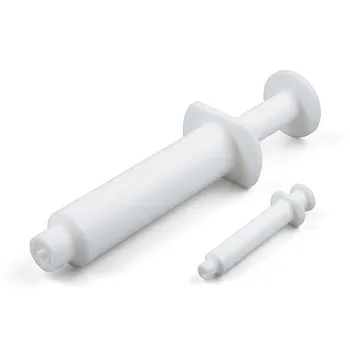
- Basic Labware: Beakers, measuring cylinders, crucibles, and reagent/wash bottles.
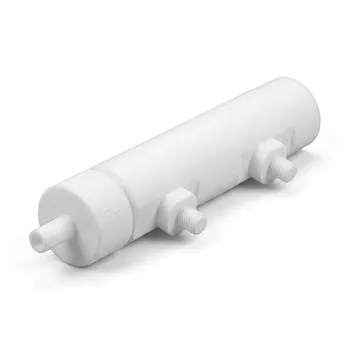
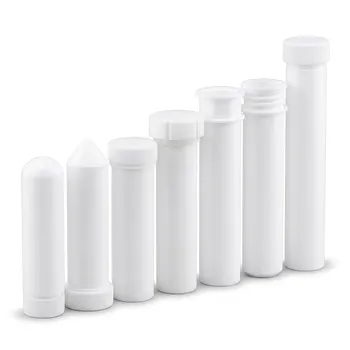
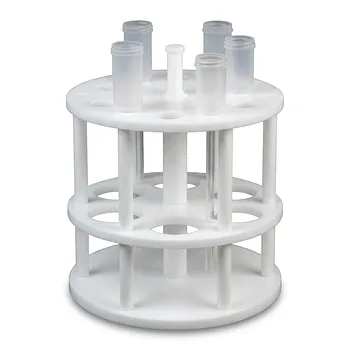
- Fluid Transfer & Prep: Tubing, fittings, valves, filters, and high-purity digestion tubes.
- Advanced Apparatus: Custom electrochemical cells, hydrothermal synthesis liners, and microwave digestion vessels.
From high-volume standard consumables to bespoke CNC-fabricated components, KINTEK delivers precision-engineered solutions tailored to your specific lab requirements.
Ready to protect your sample integrity? Contact us today to discuss your custom laboratory needs!
References
- Inaam H. Ali, Saadiyah A. Dhahir. Hydrothermal synthesis of high surface area mesoporous silica as an efficient adsorbent for removal of crystal violet dye from aqueous solution. DOI: 10.21123/2411-7986.5018
This article is also based on technical information from Kintek Knowledge Base .
Related Products
- High Purity PFA Crucible and Corrosion Resistant PTFE Beaker for Trace Analysis and Custom Laboratory Applications
- Corrosion Resistant PTFE Support with PFA Transparent Reaction Tank and High Purity PFA Sampling Tube for Trace Analysis
- High Purity PTFE Trays Corrosion Resistant Laboratory Labware Customizable Square Round Fluoropolymer Trays
- Custom PTFE Petri Dish 200mm High Purity Corrosion Resistant Low Background Laboratory Ware
- High Purity PFA Constant Pressure Condensation Reaction System Acid Resistant High Temperature Customizable Teflon Labware
People Also Ask
- Why are high-purity vessels critical for BiFeO3 synthesis? Ensuring Phase Purity
- Why is the use of high-purity PFA or PTFE labware critical during TiO2 nanoparticle purification? Protect Sample Purity
- Why is high-purity PFA labware necessary for Znx@LS-2 zeolite ICP-OES analysis? Ensure Trace-Level Precision
- Why is high-purity PFA trace analysis labware used for MXene? Ensure Superior Material Integrity in Research
- What key material characteristics make PTFE and PFA suitable for high-purity laboratory labware, trace analysis containers, and medical microporous tubing? Discover the essential properties that ensure purity.