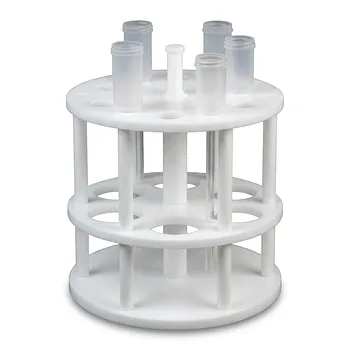
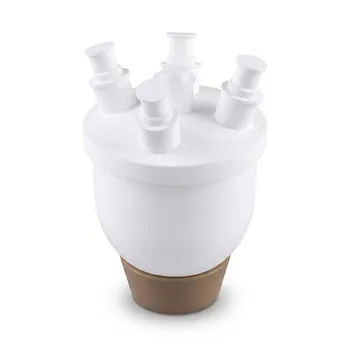
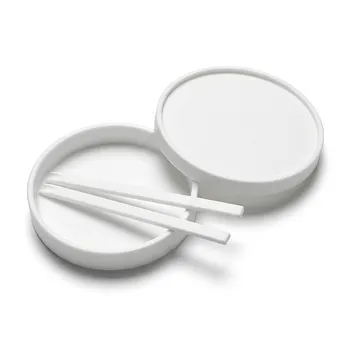
Maintaining the exact bismuth-to-iron ratio is the primary challenge in synthesizing high-performance Bismuth Ferrite (BFO). High-purity PFA or PTFE labware is critical because it prevents the adsorption of Bi3+ ions onto container walls and eliminates the leaching of background metallic impurities. Without these specialized materials, the precursor solution loses its chemical balance, leading to the formation of undesirable impurity phases that degrade the material's functional properties.
The precision of BFO synthesis depends on an ultra-clean environment where the container does not interact with the reagents. PFA and PTFE provide the necessary chemical inertness and low surface energy to ensure that the intended stoichiometry is preserved from preparation through fluid transfer.
The Sensitivity of Bismuth Ferrite Stoichiometry
The Impact of Ion Adsorption
Bismuth ions (Bi3+) are highly susceptible to surface adsorption, meaning they tend to stick to the walls of traditional laboratory containers. When Bi3+ ions are removed from the solution by the container walls, the precise 1:1 ratio of bismuth to iron required for BFO is disrupted.
The Risk of Secondary Phase Formation
BFO performance is extremely sensitive to even minute deviations in stoichiometry. If the bismuth concentration drops due to adsorption, the synthesis will likely result in undesirable impurity phases rather than pure Bismuth Ferrite.
Maintaining Precursor Integrity
Utilizing high-purity fluoropolymers during fluid transfer and preparation ensures the chemical stoichiometry of the precursor solution remains unchanged. This consistency is vital for the reproducibility of experimental results and the accuracy of structural characterizations.
Why PFA and PTFE are the Technical Standard
Superior Chemical Inertness
High-purity PFA and PTFE are virtually non-reactive when exposed to the strong acids, bases, and organic solvents often used in fine chemical synthesis. This inertness ensures that the labware does not participate in the chemical reaction or degrade over time.
Eliminating Background Leaching
Traditional glassware can leach metal ions like silicon, sodium, or boron into the reaction system. High-purity PFA exhibits extremely low leaching rates, preventing background contamination from interfering with the high-sensitivity synthesis of BFO.
Low Surface Energy and Stability
The low surface energy of fluoropolymers prevents ultra-trace metal ions from adhering to the container walls. This property is essential for maintaining the concentration stability of bismuth solutions, which is critical for establishing reliable data in trace analysis.
Understanding the Trade-offs
Material Cost vs. Data Integrity
High-purity PFA and PTFE labware represent a significantly higher initial investment than standard borosilicate glass. However, the cost of failed synthesis, impure products, and inaccurate data far outweighs the price of the equipment.
Thermal and Pressure Limitations
While PFA and PTFE offer exceptional chemical resistance, they have lower thermal limits compared to glass or ceramics. They are ideal for precursor preparation and digestion but cannot be used for the high-temperature calcination steps required to crystallize BFO.
Transparency and Handling
PFA is translucent, allowing for some visibility of the contents, while PTFE is opaque. Engineers must choose the material that best balances the need for visual monitoring with the requirement for maximum chemical resistance.
How to Apply This to Your Project
To ensure the success of your Bismuth Ferrite synthesis, select your labware based on the specific phase of your workflow:
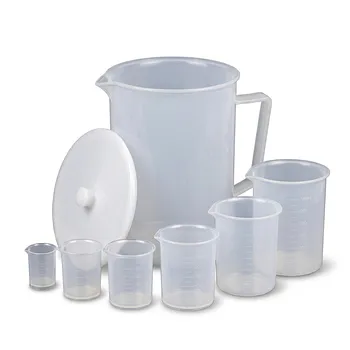
- If your primary focus is Stoichiometric Precision: Use high-purity PFA beakers and pipettes for all precursor mixing and fluid transfer to prevent Bi3+ ion loss.
- If your primary focus is Trace Analysis (ICP-MS): Utilize PFA containers exclusively for sample digestion and storage to eliminate cross-contamination and background leaching.
- If your primary focus is Long-term Reagent Stability: Store bismuth standard solutions in high-purity fluoropolymer bottles to maintain concentration accuracy over extended periods.
By prioritizing material purity in your labware selection, you ensure that the complex chemistry of Bismuth Ferrite remains controlled, reproducible, and pure.
Summary Table:
| Feature | High-Purity PFA/PTFE | Traditional Glassware | Impact on BFO Synthesis |
|---|---|---|---|
| Ion Adsorption | Negligible (Low Surface Energy) | High (Bi3+ sticks to walls) | Prevents loss of Bismuth ratio |
| Metallic Leaching | Ultra-low trace levels | Leaches Si, Na, B, etc. | Eliminates secondary impurities |
| Chemical Inertness | Virtually non-reactive | Reacts with strong acids | Ensures precursor integrity |
| Best Application | Precursor mixing & fluid transfer | General non-sensitive tasks | Guarantees result reproducibility |
Achieve Stoichiometric Precision with KINTEK’s Fluoropolymer Labware
Don’t let container contamination or ion adsorption compromise your Bismuth Ferrite synthesis. KINTEK provides a comprehensive range of high-performance PFA and PTFE labware designed for the most demanding trace analysis and material synthesis environments.
Our catalog covers every stage of your workflow: from everyday basics like beakers, reagent bottles, and pipettes, to specialized fluid transfer components, filtration tools, and advanced reaction apparatus such as hydrothermal synthesis liners and microwave digestion vessels. Backed by end-to-end custom CNC fabrication, we are equipped to deliver everything from complex non-standard machined parts to high-volume orders with an absolute focus on high-performance fluoropolymers.
Protect your research integrity—contact our specialists today!
References
- Kisan, Unni, Rizvi, Syed Asghar Husain. Comparative Study of Sol-Gel and Hydrothermal Synthesis Methods for Bismuth Ferrite Nanoparticles. DOI: 10.5281/zenodo.17803553
This article is also based on technical information from Kintek Knowledge Base .
Related Products
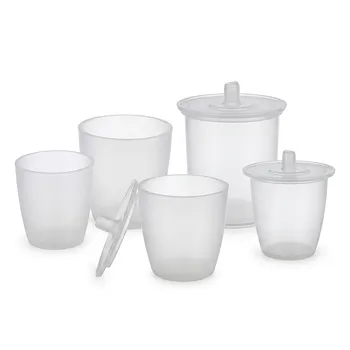
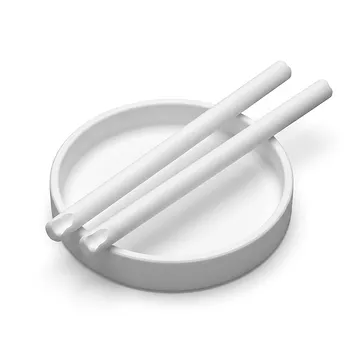
- High Purity PFA Crucible and Corrosion Resistant PTFE Beaker for Trace Analysis and Custom Laboratory Applications
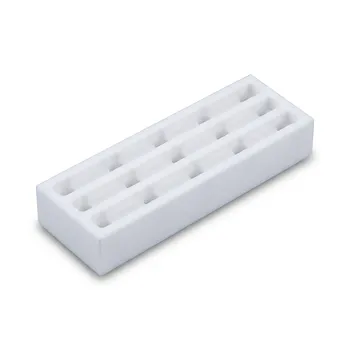
- High Purity PTFE Trays Corrosion Resistant Laboratory Labware Customizable Square Round Fluoropolymer Trays
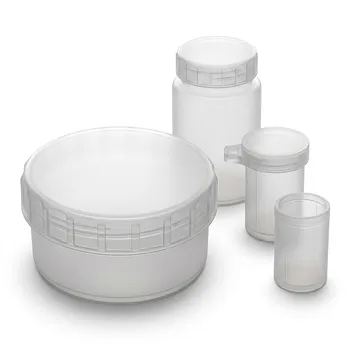
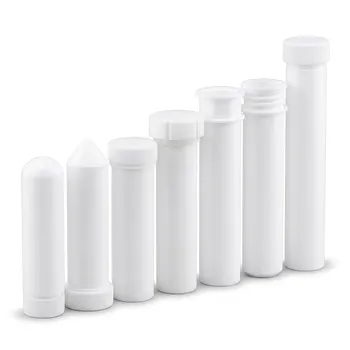
- PFA Reaction Jar Corrosion Resistant Wide Mouth PTFE Lab Bottle High Purity Chemical Vessel
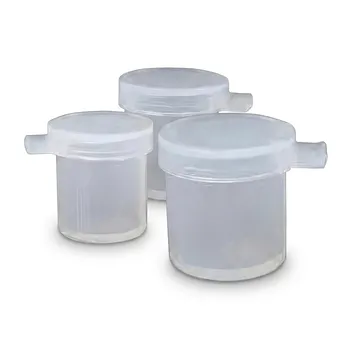
- High Purity PTFE PFA Plastic Crucible for Corrosion Resistant Acid Digestion and Trace Analysis
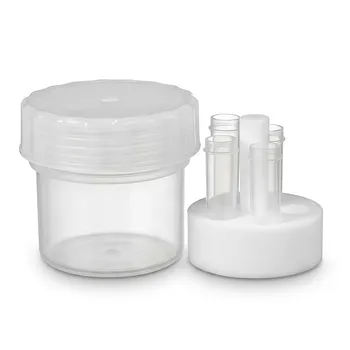
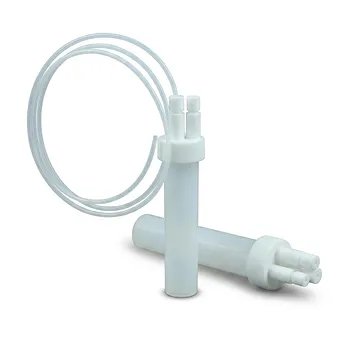
- Corrosion Resistant PTFE Support with PFA Transparent Reaction Tank and High Purity PFA Sampling Tube for Trace Analysis
People Also Ask
- Why are high-purity vessels critical for BiFeO3 synthesis? Ensuring Phase Purity
- Why is the use of high-purity PFA or PTFE labware critical during TiO2 nanoparticle purification? Protect Sample Purity
- Why is high-purity PFA labware necessary for Znx@LS-2 zeolite ICP-OES analysis? Ensure Trace-Level Precision
- Why is high-purity PFA trace analysis labware used for MXene? Ensure Superior Material Integrity in Research
- What key material characteristics make PTFE and PFA suitable for high-purity laboratory labware, trace analysis containers, and medical microporous tubing? Discover the essential properties that ensure purity.