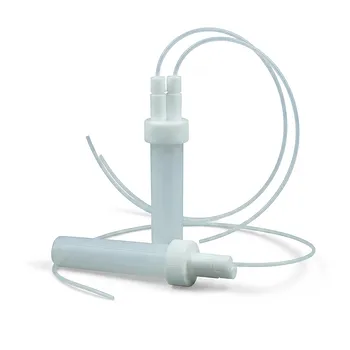
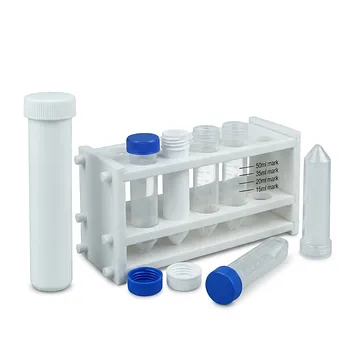
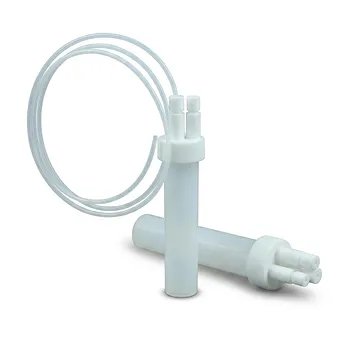
Fully fluorinated monomers are preferred because they produce hydrogen-free, highly fluorinated polymers with exceptional chemical inertness and low contamination potential. Materials such as PTFE and PFA resist concentrated acids, strong bases, and aggressive organic solvents more reliably than partially fluorinated polymers such as PVDF, ETFE, and ECTFE. That stability is critical when a container, digestion vessel, or analytical component must preserve sample composition under severe chemical, thermal, or electrical conditions.
Fully fluorinated polymers are selected when chemical compatibility, low extractables, and analytical purity matter more than maximum mechanical strength or lower cost. Their hydrogen-free molecular structure reduces opportunities for chemical attack, swelling, degradation, and contamination.
Why Full Fluorination Improves Chemical Resistance
Hydrogen-free structures reduce reactive sites
Partially fluorinated polymers retain carbon–hydrogen bonds in their molecular structure. Under severe chemical or thermal conditions, these hydrogen-containing segments can be more vulnerable to oxidation, solvent interaction, or degradation than a fully fluorinated structure.
PTFE and PFA are perfluorinated or nearly perfluorinated materials. Their carbon backbone is surrounded by fluorine atoms, creating a chemically shielded structure with very few accessible sites for attack.
The carbon–fluorine bond is highly stable
The carbon–fluorine bond is one of the strongest bonds in organic chemistry. A dense fluorine sheath also shields the carbon backbone from contact with acids, bases, and solvents.
This is why PTFE and PFA are widely used for concentrated-acid handling, microwave digestion, aggressive solvent exposure, and chemically demanding reaction systems.
Resistance extends across the pH range
Fully fluorinated polymers generally maintain their chemical resistance across strongly acidic, neutral, and strongly alkaline environments. This is important for laboratory workflows that move between digestion, neutralization, extraction, and analysis without changing the vessel material.
Partially fluorinated materials may be suitable for many chemicals, but their compatibility is more dependent on temperature, concentration, exposure time, and solvent type.
Why This Matters for Analytical Labware
Lower contamination risk
Trace analysis can be affected by extremely small quantities of extractables, degradation products, or leached elements. PTFE and PFA minimize these risks because they are resistant to chemical breakdown and generally have low extractable levels when properly manufactured and cleaned.
This makes them suitable for reagent bottles, digestion vessels, centrifuge tubes, sample-contact components, and custom analytical apparatus.
Reduced solvent absorption and swelling
A material that absorbs solvent can swell, soften, change dimensions, or release contaminants into the sample. Fully fluorinated polymers have very low solvent absorption compared with many partially fluorinated alternatives.
That dimensional and chemical stability helps preserve the intended sample volume, flow path, seal geometry, and surface condition.
Better protection during heated digestion
Chemical digestion often combines aggressive reagents with elevated temperature and pressure. PFA and PTFE retain their chemical resistance under these conditions, making them common choices for acid digestion tubes and microwave digestion vessels.
However, the exact temperature limit depends on the polymer grade, mechanical loading, pressure, and exposure time. Chemical resistance does not mean that every fluoropolymer is suitable for every high-temperature design.
Why Electrical and Electrochemical Applications Benefit
Low dielectric loss
Fully fluorinated materials typically have low dielectric loss and low electrical dissipation. This is useful in high-frequency systems, microwave digestion equipment, sensors, and analytical instruments where the container or insulator should not significantly absorb electromagnetic energy.
High surface resistivity
Their high electrical resistivity helps electrically isolate components in electrochemical cells and laboratory instrumentation. The material is less likely to introduce unwanted current paths or interfere with controlled electrochemical measurements.
Low surface reactivity
Fluorinated surfaces are chemically nonreactive and have low surface energy. This reduces unwanted interactions between the labware and the sample, although it does not eliminate every possible adsorption or contamination mechanism.
Why Partially Fluorinated Alternatives Are Still Used
They can provide greater mechanical strength
ETFE, ECTFE, and PVDF can offer higher strength, stiffness, abrasion resistance, or toughness than PTFE. Those properties may be valuable in structural components, tubing, protective coatings, and parts exposed to mechanical wear.
The trade-off is that their chemical and thermal performance may be less broad under extreme conditions.
They may be easier to process
PTFE is difficult to melt-process, while PFA and some partially fluorinated polymers can be processed more readily using conventional techniques. This can make them attractive for complex geometries, molded components, or cost-sensitive designs.
Manufacturing convenience, however, should not override compatibility requirements in trace analysis or severe digestion.
They can be appropriate for less severe exposure
A partially fluorinated polymer may be entirely adequate for moderate temperatures, dilute reagents, short exposure times, or applications where trace contamination is not a major concern. Material selection should be based on the actual chemical and mechanical duty rather than fluorination level alone.
Understanding the Trade-offs
“Fully fluorinated” does not mean universally indestructible
PTFE and PFA are exceptionally resistant, but they are not immune to every environment. Certain highly reactive substances, extreme temperatures, radiation, mechanical stress, or permeation conditions can still affect performance.
Compatibility should be verified against the specific chemical, concentration, temperature, pressure, and exposure duration.
Thermal and mechanical limits still matter
Chemical inertness does not guarantee high load-bearing capability at elevated temperature. Fluoropolymers can creep under sustained stress, and PTFE in particular has relatively low stiffness compared with materials such as PVDF or ETFE.
Designers must check pressure ratings, creep behavior, wall thickness, sealing loads, and temperature limits.
Purity depends on the complete component
The polymer alone does not determine contamination risk. Fillers, pigments, processing aids, seals, machining residues, cleaning agents, and assembly materials can all introduce extractables or trace elements.
For critical analysis, specify virgin, appropriate-grade material, validated cleaning procedures, and controls on every sample-contacting component.
PFA and PTFE are not interchangeable in every design
Both are highly fluorinated, but they differ in processing, transparency, flexibility, weldability, surface behavior, and mechanical performance. PFA is often selected when melt-processability, transparency, or complex molded geometry is important; PTFE is often selected for broad chemical resistance and low-friction performance.
The correct choice depends on the component design as well as the chemistry.
Making the Right Choice for Your Goal
The selection should begin with the most demanding combination of chemical exposure, temperature, pressure, purity, and mechanical load.
- If your primary focus is trace analytical purity: Choose a suitable virgin PTFE or PFA grade and validate the entire sample-contacting assembly for extractables and contamination.
- If your primary focus is severe acid digestion: Prefer PTFE or PFA, then verify the temperature, pressure, reagent concentration, and vessel rating for the digestion method.
- If your primary focus is solvent resistance at elevated temperature: Favor a fully fluorinated material, because partially fluorinated polymers may swell or lose dimensional stability in demanding solvent environments.
- If your primary focus is mechanical strength or abrasion resistance: Consider PVDF, ETFE, or ECTFE where the chemical exposure is demonstrably compatible and trace purity is not the dominant requirement.
- If your primary focus is microwave or high-frequency performance: Select a low-loss fluoropolymer and confirm that the complete vessel or cell design meets the required thermal and pressure conditions.
For critical chemical storage and analytical labware, fully fluorinated polymers are preferred because they provide the most reliable combination of chemical inertness, dimensional stability, electrical insulation, and contamination control.
Summary Table:
| Property | Fully Fluorinated (PTFE/PFA) | Partially Fluorinated (PVDF/ETFE/ECTFE) |
|---|---|---|
| Chemical Resistance | Excellent across full pH range | Good, but dependent on conditions |
| Contamination Risk | Low extractables | Higher potential for leaching |
| Solvent Absorption | Very low | Can swell and degrade |
| Thermal Stability | High (up to 260°C for PTFE) | Moderate |
| Electrical Insulation | Low dielectric loss, high resistivity | Varies |
| Mechanical Strength | Lower stiffness, creep prone | Higher strength and toughness |
| Processability | Difficult (PTFE) to moderate (PFA) | Easier to mold and machine |
Ensure your lab's critical applications are protected with our virgin PTFE and PFA labware, designed for maximum chemical resistance and purity. From digestion vessels to custom electrochemical cells, our high-performance fluoropolymer products meet the most demanding requirements. Contact us today for expert guidance and tailored solutions that enhance your analytical accuracy and operational efficiency — Contact KINTEK!
Related Products
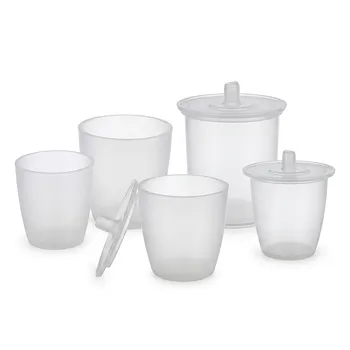
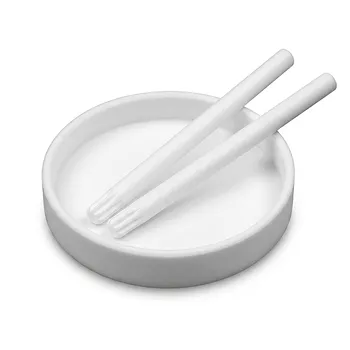
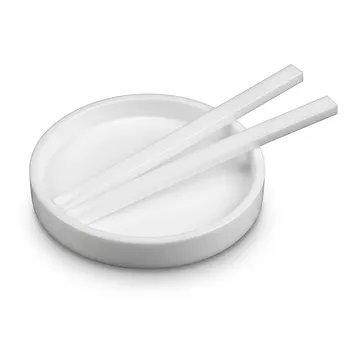
- High Purity PFA Crucible and Corrosion Resistant PTFE Beaker for Trace Analysis and Custom Laboratory Applications
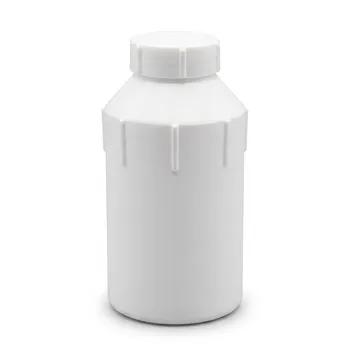
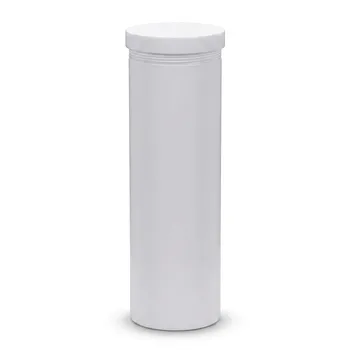
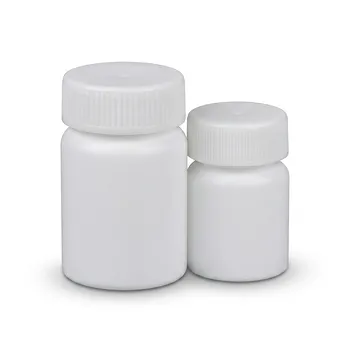
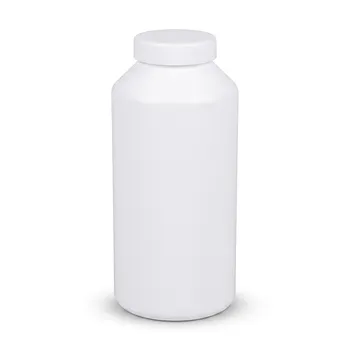
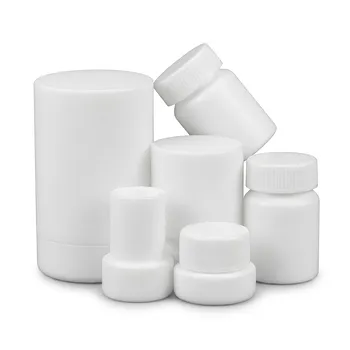
- PTFE Fluoropolymer Reagent Bottles and Sampling Containers for Corrosion Resistant Low Background Chemical Storage
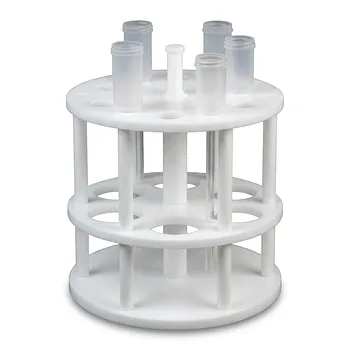
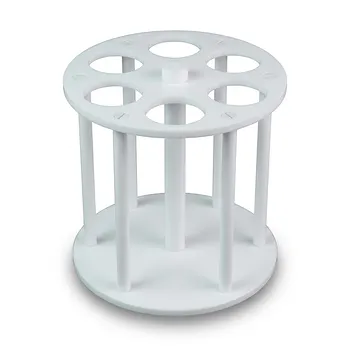
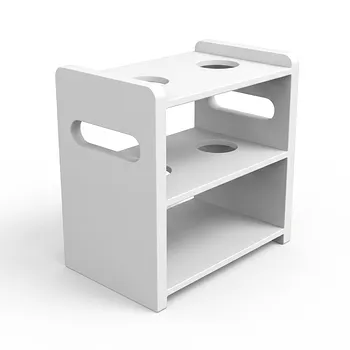
- Custom PFA Microcolumn Racks and PTFE Machined Low Background Corrosion Resistant Laboratory Fixtures
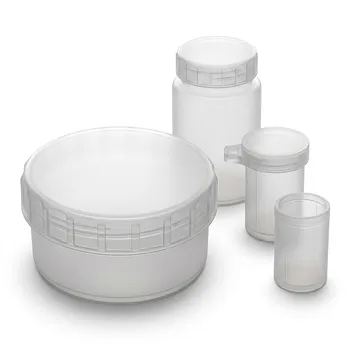
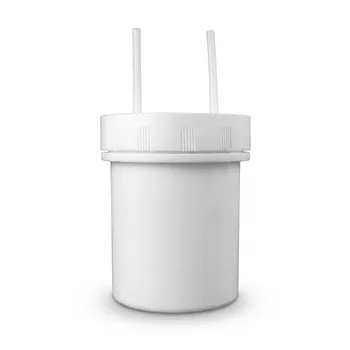
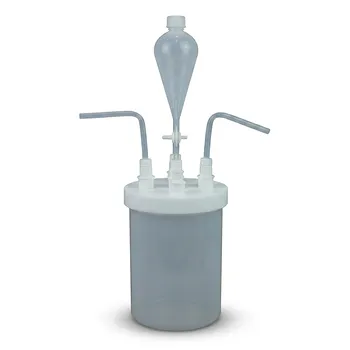
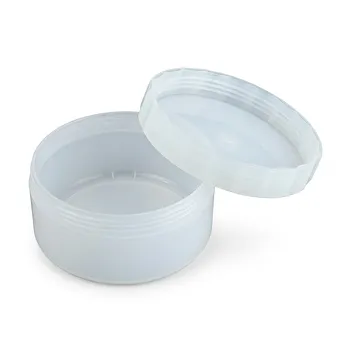
- PFA Reaction Jar Corrosion Resistant Wide Mouth PTFE Lab Bottle High Purity Chemical Vessel
- Custom PFA Separatory Funnel Rack PTFE Machined Laboratory Support Stand Corrosion Resistant Low Background Fluoropolymer Fixture
People Also Ask
- Why are high-purity vessels critical for BiFeO3 synthesis? Ensuring Phase Purity
- Why is the use of high-purity PFA or PTFE labware critical during TiO2 nanoparticle purification? Protect Sample Purity
- Why is high-purity PFA trace analysis labware used for MXene? Ensure Superior Material Integrity in Research
- Why is high-purity PFA labware necessary for Znx@LS-2 zeolite ICP-OES analysis? Ensure Trace-Level Precision
- What key material characteristics make PTFE and PFA suitable for high-purity laboratory labware, trace analysis containers, and medical microporous tubing? Discover the essential properties that ensure purity.