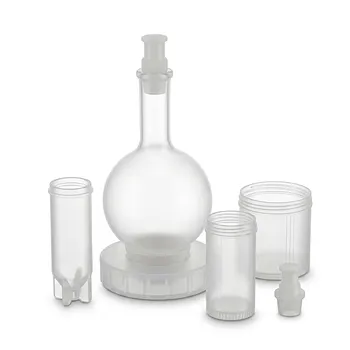
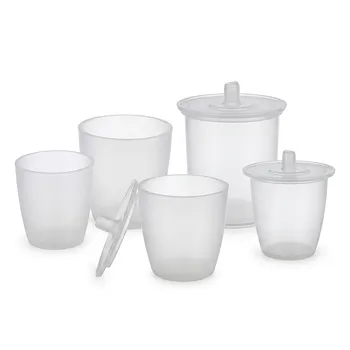
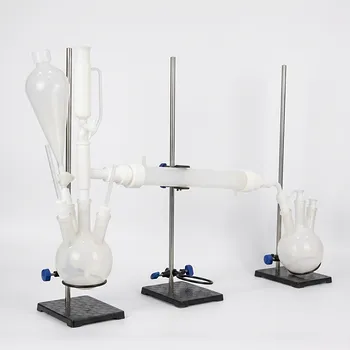
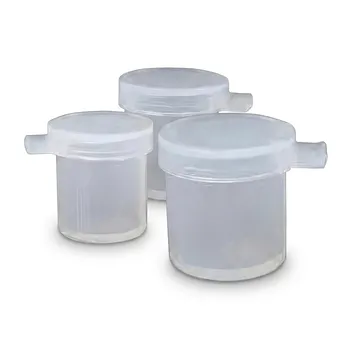
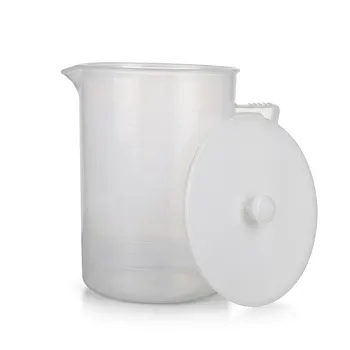
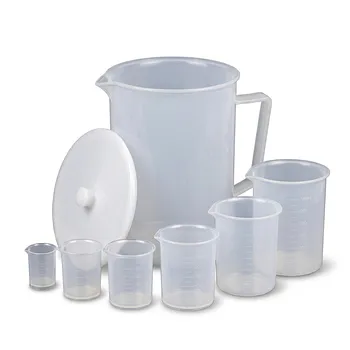
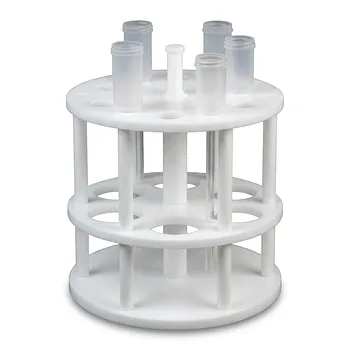
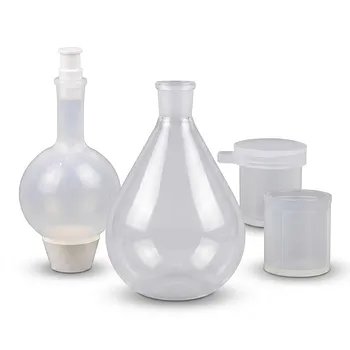
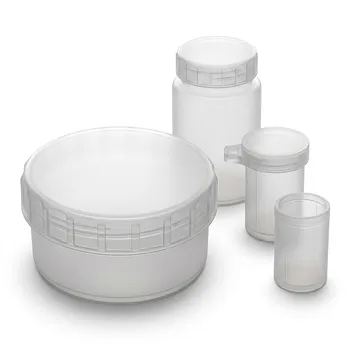
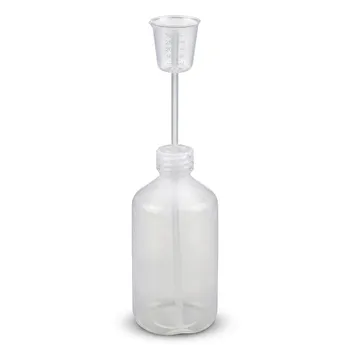
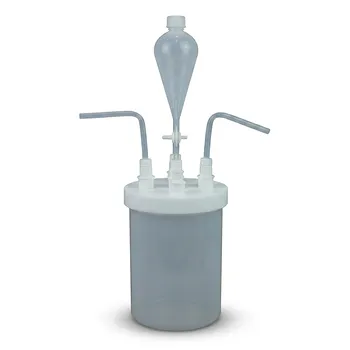
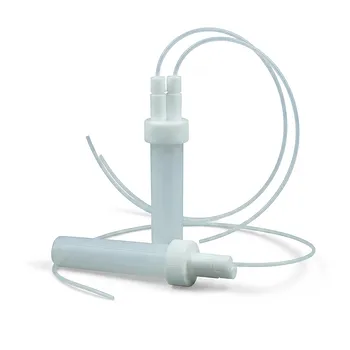
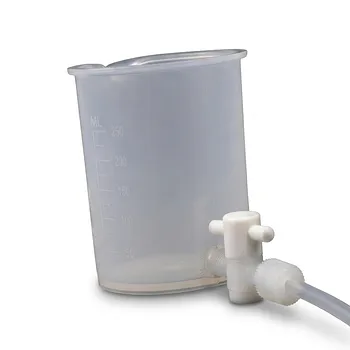
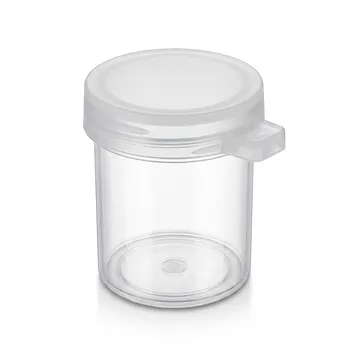
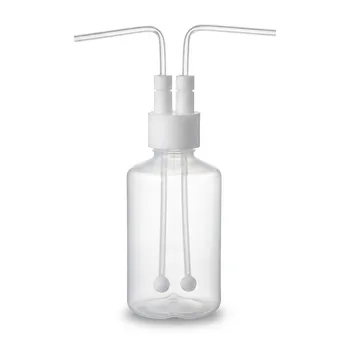
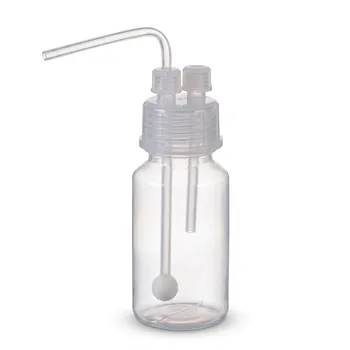
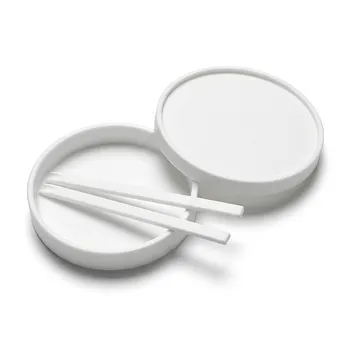
Perfluoroalkoxy alkane (PFA) represents the pinnacle of fluoropolymer engineering for laboratory environments. This melt-processable material offers near-universal chemical inertness, a wide thermal operating range from -270°C to 260°C, and an exceptionally low leachable profile. These properties ensure that sensitive samples remain uncontaminated by the container material, making PFA indispensable for ultra-trace analysis and high-purity chemical handling.
PFA combines the chemical resistance of PTFE with the melt-processability required to create smooth, non-porous surfaces. This synergy results in a material that protects sample integrity through extreme purity and mechanical resilience in the most demanding analytical applications.
Superior Chemical and Elemental Purity
Extreme Chemical Inertness
The fully fluorinated carbon backbone of PFA eliminates reactive sites, making it resistant to almost all aggressive reagents. This inertness prevents the material from reacting with samples or reagents, ensuring that the chemical composition of the contents remains unchanged over time.
Ultra-Low Leachable Profile
Unlike glass or standard plastics, PFA has an extremely low metal ion background. This makes it the primary choice for ICP-MS and ultra-trace element analysis, where even parts-per-trillion levels of contamination can invalidate experimental results.
Resistance to Adsorption
The non-polar nature of PFA prevents the adsorption of target components onto the container walls. This ensures high recovery rates for trace analytes and maintains the accuracy of precision quantitative experiments.
Thermal and Mechanical Performance
Wide Operational Temperature Range
PFA maintains its structural integrity across a massive temperature gradient, typically from -270°C to 260°C. This versatility allows it to be used for both cryogenic storage and high-heat sterilization or digestion processes.
Exceptional Mechanical Toughness
Compared to other fluoropolymers like FEP or PTFE, PFA offers greater strength, stiffness, and creep resistance. Its flexibility and resistance to cracking during repeated thermal cycling contribute to a significantly longer service life in high-stress environments.
Optical Translucency
PFA is translucently clear, allowing researchers to visually monitor fluid levels, color changes, or the presence of particulates. This provides a practical advantage over opaque PTFE when visual verification of a process is required.
Understanding the Trade-offs
Thermal and Surface Limitations
While PFA is highly durable, it has a recommended maximum continuous service temperature of 260°C. Exceeding 300°C can trigger slow chain scission, potentially releasing trace fluorocarbons and compromising the material's integrity.
Sensitivity to Abrasion
PFA has lower scratch resistance than PTFE. Using abrasive tools during cleaning can damage the smooth surface, creating micro-scratches that may trap contaminants and increase the surface area for potential adsorption.
Economic Considerations
The initial procurement cost of PFA is significantly higher than that of polypropylene or borosilicate glass. However, its extended lifespan and the reduced risk of failed experiments due to contamination often lead to a lower total cost of ownership in specialized labs.
Choosing the Right Material for Your Goal
When deciding if PFA is the correct choice for your laboratory, consider your primary analytical objectives and environmental constraints.
- If your primary focus is ultra-trace metal analysis (ICP-MS): Use PFA exclusively for sample preparation and storage to ensure the lowest possible metal ion background.
- If your primary focus is high-temperature chemical digestion: Utilize PFA for its 260°C stability, but ensure temperature controls are in place to prevent exceeding the scission threshold.
- If your primary focus is cryogenic storage: Leverage PFA’s ability to remain ductile at -270°C, which prevents the shattering risks associated with glass or less flexible polymers.
- If your primary focus is routine solvent storage: Consider FEP or PTFE as more cost-effective alternatives unless the specific purity or thermal cycling benefits of PFA are required.
By matching PFA's unique molecular stability to your specific precision requirements, you ensure the highest levels of data reproducibility and sample safety.
Summary Table:
| Property | Performance Detail | Primary Laboratory Benefit |
|---|---|---|
| Chemical Resistance | Near-universal inertness | Prevents sample contamination and vessel degradation. |
| Thermal Range | -270°C to +260°C | Suitable for both cryogenic storage and high-heat digestion. |
| Purity Level | Ultra-low leachable profile | Essential for ICP-MS and parts-per-trillion trace analysis. |
| Surface Quality | Non-porous & non-polar | Minimizes analyte adsorption for high recovery rates. |
| Clarity | Translucent/Clear | Allows visual monitoring of reactions and fluid levels. |
Elevate Your Analytical Precision with KINTEK Fluoropolymer Solutions
Maximize your laboratory's accuracy and sample integrity with high-performance supplies from KINTEK. We specialize exclusively in high-performance fluoropolymers, providing everything from everyday basic labware—including beakers, measuring cylinders, and reagent bottles—to specialized sample prep tools like separatory funnels and filtration units.
For researchers pushing the boundaries of science, KINTEK offers advanced derivative and reaction apparatus, such as custom electrochemical cells, battery testing fixtures, and microwave digestion vessels. Our end-to-end custom CNC fabrication capabilities mean we can deliver absolutely everything from complex, non-standard machined parts to high-volume orders tailored to your exact specifications.
Ready to upgrade to the pinnacle of PFA and PTFE performance?
Contact KINTEK today to discuss your custom project or bulk requirements!
Related Products
- Custom PFA Pear Shaped Flask High Purity Corrosion Resistant Labware Custom Molded Fluoropolymer Flask Glass Replacement Solution
- High Purity PFA Crucible and Corrosion Resistant PTFE Beaker for Trace Analysis and Custom Laboratory Applications
- High Purity PFA Constant Pressure Condensation Reaction System Acid Resistant High Temperature Customizable Teflon Labware
- High Purity PFA Sample Dissolution Cups Acid Resistant Chemical Digestion Vessels with Lids Trace Analysis Labware
- High Purity PFA Beaker with Handle and Large Capacity Washable Soak Basket Multi Spec Teflon Laboratory Labware
People Also Ask
- Why Use PFA Labware for MnFe2O4/rGO Precursors? Ensure Stoichiometric Precision and Purity
- Why is PFA labware recommended for CuBi2O4? Protect high-purity precursors and ensure semiconductor bandgap accuracy.
- How does PFA labware enhance the accuracy of ultra-trace element analysis? Achieving PPT Precision with Zero Leaching
- What role does PFA labware play in semiconductor manufacturing? Ensuring Ultra-Pure Yields and Zero Contamination
- Why is PFA labware recommended for high-purity chemical synthesis? Achieve Trace Analysis Precision & Low Leaching