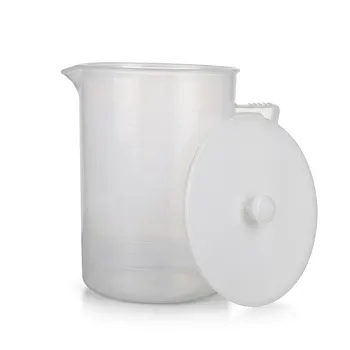
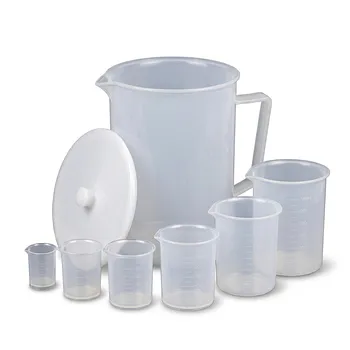
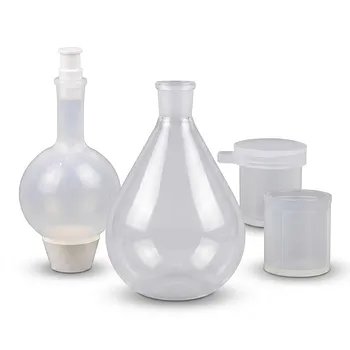
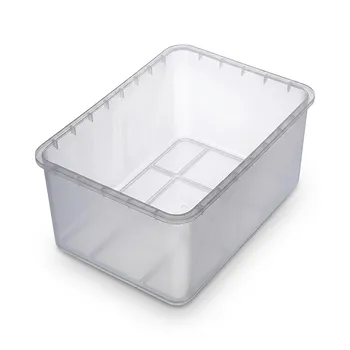
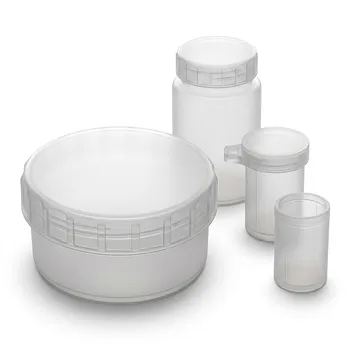
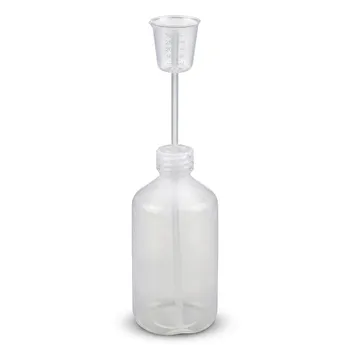
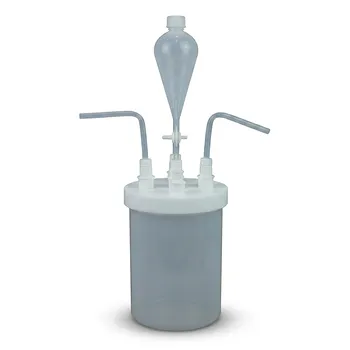
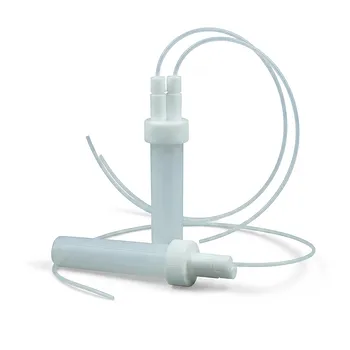
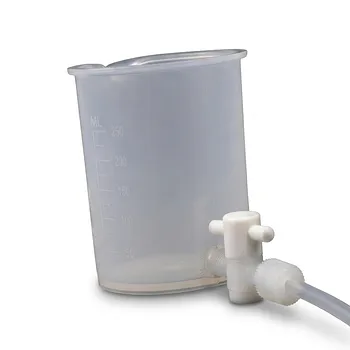
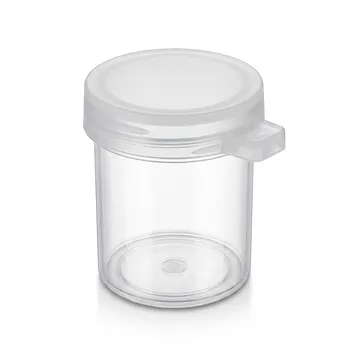
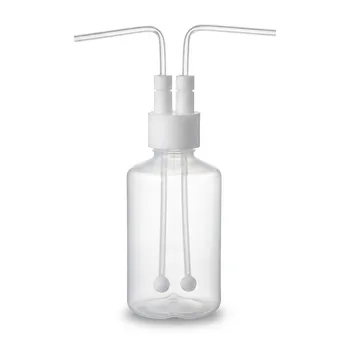
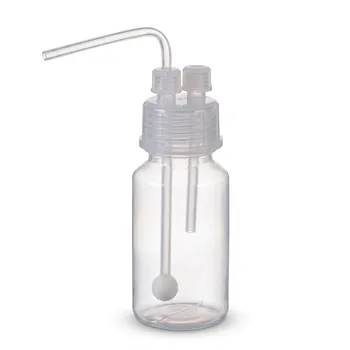
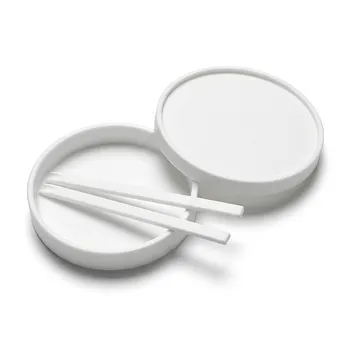
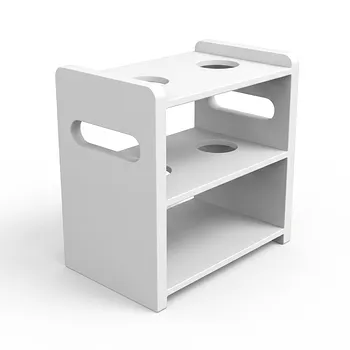
PFA labware is defined by its extreme chemical purity and thermal stability, but it is not indestructible. The primary limitations include a maximum continuous service temperature of 260°C and a vulnerability to surface scratching from abrasive cleaning tools. While it excels in ultra-trace analysis, exceeding these thermal limits or compromising the surface finish can lead to dimensional instability, gas permeability, or sample contamination.
PFA provides unmatched chemical inertness and exceptionally low trace-metal leaching, making it the gold standard for analytical chemistry. However, its performance depends on strict thermal management and non-abrasive handling to maintain the integrity of its ultra-smooth, non-reactive surface.
Thermal Constraints and Material Stability
The 260°C Service Threshold
To maintain long-term dimensional stability, PFA labware should not be used continuously at temperatures exceeding 260°C. Operating within this limit ensures that vessels like beakers and reagent bottles retain their shape and structural integrity over repeated cycles.
Risks of Extreme Temperature Exposure
Exceeding 300°C for prolonged periods triggers a process known as slow chain scission, which can release trace fluorocarbons into the environment or sample. Additionally, at very high temperatures, PFA can become permeable to certain gases, potentially compromising the atmosphere of a closed reaction.
Thermal Cycling and Structural Integrity
Unlike many plastics that become brittle over time, PFA maintains its flexibility and impact resistance through repeated heating and cooling cycles. This makes it particularly valuable in semiconductor manufacturing, where it handles ultra-pure etchants under fluctuating thermal conditions.
Maintenance and Physical Handling Requirements
The Vulnerability to Mechanical Abrasion
While PFA is mechanically tough and impact-resistant, it has lower scratch resistance than PTFE. Surface scratches are more than just cosmetic defects; they create microscopic pits that can harbor contaminants.
Essential Cleaning Protocols
Maintenance must exclude the use of abrasive brushes, scouring pads, or harsh scrubbing agents that could mar the finish. Instead, users should rely on its naturally low surface energy—which resists adhesion—to clean the labware using soft materials and appropriate chemical solvents.
Adsorption and Surface Roughness
A smooth surface is critical for applications like pesticide detection or ICP-MS, where trace molecules can be lost to the container walls. If the surface is scratched during cleaning, the increased roughness provides new adsorption sites, which can lead to sample bias and reduced detection precision.
Understanding the Trade-offs
Initial Investment vs. Total Cost of Ownership
The most immediate hurdle for many laboratories is the higher initial cost of PFA compared to polypropylene or borosilicate glass. However, this is offset by an extended service life and a significant reduction in the risk of sample contamination, which often results in a lower total cost over time.
Performance vs. Handling Sensitivity
PFA offers near-perfect sealing and chemical inertness, yet it requires more "gentle" handling than glass or standard plastics. The trade-off is a material that blocks moisture penetration and prevents wall adsorption at the cost of requiring specialized cleaning procedures.
Purity vs. Mechanical Limits
While PFA is the optimal choice for storing ultrapure acids and standard reference materials, its soft surface means it cannot be used with metal spatulas or aggressive mechanical stirring. Users must choose between the material's extreme purity and its sensitivity to physical wear.
How to Apply This to Your Laboratory
When integrating PFA into your workflow, your maintenance and usage strategy should be dictated by your specific analytical goals.
- If your primary focus is ultra-trace element analysis (ICP-MS): Prioritize non-abrasive cleaning and acid-leaching protocols to preserve the material's record-low levels of metallic impurities.
- If your primary focus is high-temperature chemical reactions: Ensure your heating elements are calibrated to stay below the 260°C threshold to avoid dimensional warping or gas permeability.
- If your primary focus is long-term sample storage: Leverage PFA’s superior sealing capabilities and moisture-blocking properties to maintain concentration stability for reference standards.
- If your primary focus is semiconductor processing: Utilize PFA for handling hydrofluoric acid and photoresist strippers, ensuring that no metallic tools contact the labware surface.
By respecting its thermal boundaries and protecting its surface finish, you can ensure that PFA labware remains a reliable, high-purity asset for years of critical research.
Summary Table:
| Factor | Limit / Consideration | Impact on Performance |
|---|---|---|
| Temperature | Max 260°C (Continuous) | Exceeding 300°C causes chain scission and gas permeability. |
| Physical Handling | Low Scratch Resistance | Scratches create adsorption sites, causing sample bias. |
| Cleaning | Non-Abrasive Materials | Soft cloths prevent surface marring; maintains non-reactive finish. |
| Stirring/Tools | No Metal Spatulas/Bars | Prevents mechanical wear and trace-metal contamination. |
| Investment | Higher Initial Cost | Offset by long service life and reduced sample contamination. |
Elevate Your Analytical Precision with KINTEK PFA Solutions
Maintaining the integrity of your ultra-trace analysis requires labware that matches your standards for excellence. At KINTEK, we specialize in the absolute focus on high-performance fluoropolymers, providing you with the most reliable PFA and PTFE tools on the market.
Whether you need everyday basic labware like beakers, measuring cylinders, and reagent bottles, or specialized components like high-purity digestion tubes and fluid transfer fittings, our products are designed to withstand rigorous chemical environments. Beyond standard supplies, we offer end-to-end custom CNC fabrication for complex non-standard parts, advanced electrochemical cells, and microwave digestion vessels tailored to your specific research needs.
Don't let surface contamination or thermal instability compromise your data. Partner with KINTEK for bespoke laboratory setups and high-volume orders crafted with unmatched precision.
Ready to upgrade your lab’s performance? Contact our fluoropolymer experts today to discuss your custom requirements and secure the highest quality PFA supplies for your workflow.
Related Products
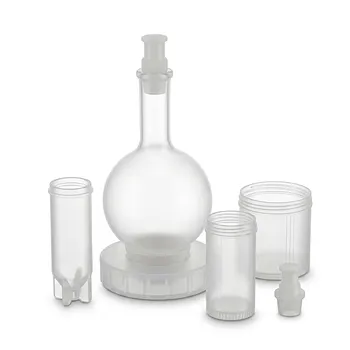
- Custom PFA Pear Shaped Flask High Purity Corrosion Resistant Labware Custom Molded Fluoropolymer Flask Glass Replacement Solution
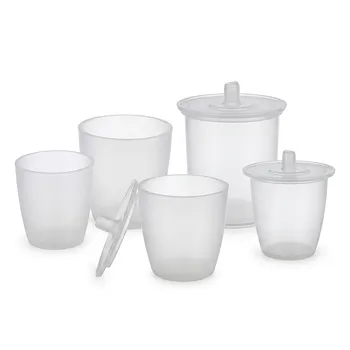
- High Purity PFA Crucible and Corrosion Resistant PTFE Beaker for Trace Analysis and Custom Laboratory Applications
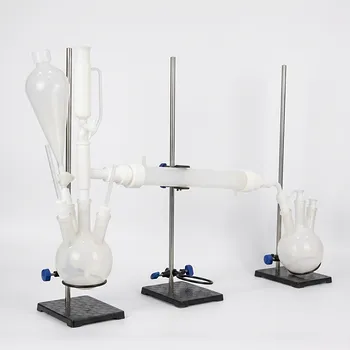
- High Purity PFA Constant Pressure Condensation Reaction System Acid Resistant High Temperature Customizable Teflon Labware
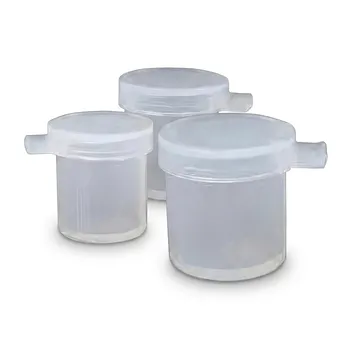
- High Purity PFA Sample Dissolution Cups Acid Resistant Chemical Digestion Vessels with Lids Trace Analysis Labware
- High Purity PFA Beaker with Handle and Large Capacity Washable Soak Basket Multi Spec Teflon Laboratory Labware
People Also Ask
- Why Use PFA Labware for MnFe2O4/rGO Precursors? Ensure Stoichiometric Precision and Purity
- How does PFA labware enhance the accuracy of ultra-trace element analysis? Achieving PPT Precision with Zero Leaching
- What are the primary properties of PFA for high-performance labware? Achieve ultra-trace purity & thermal stability.
- Why is PFA labware recommended for CuBi2O4? Protect high-purity precursors and ensure semiconductor bandgap accuracy.
- What role does PFA labware play in semiconductor manufacturing? Ensuring Ultra-Pure Yields and Zero Contamination