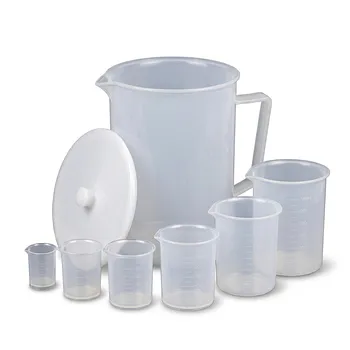
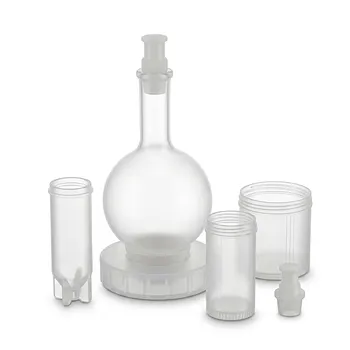
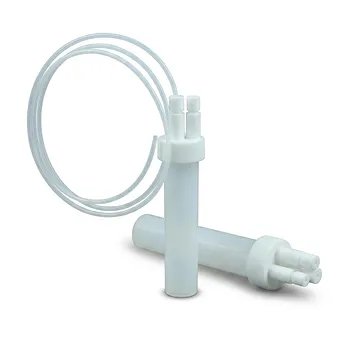
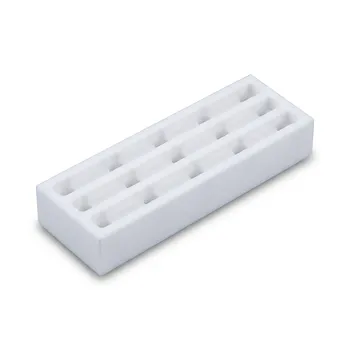
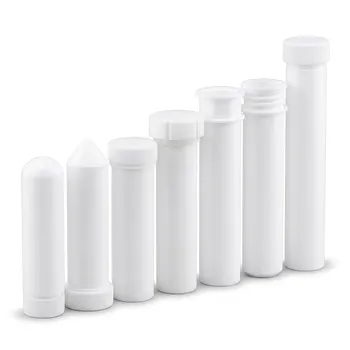
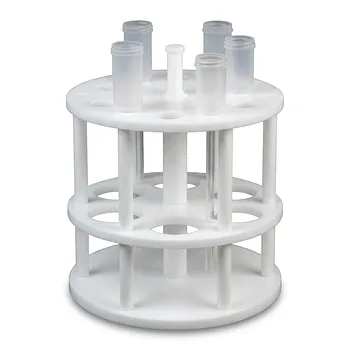
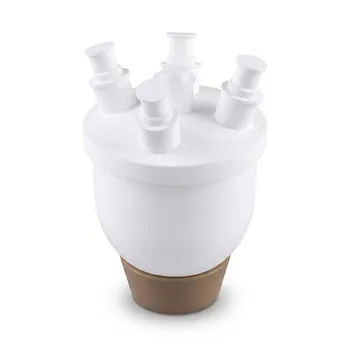
Trace heavy metal analysis demands absolute material integrity. High-purity PFA (perfluoroalkoxy) and PTFE (polytetrafluoroethylene) labware provide a chemically inert environment that prevents metal ions from adhering to container walls. By eliminating both the leaching of impurities and the adsorption of analytes, these materials ensure that measurements of Copper, Iron, and Chromium reflect the true concentration of the wastewater sample rather than interference from the vessel.
Core Takeaway: High-purity PFA and PTFE are the gold standards for trace analysis because they eliminate the two primary sources of error: analyte loss via surface adsorption and sample contamination through material leaching. This ensures the accuracy and repeatability required for high-sensitivity detection methods like AAS and ICP-MS.
Eliminating Material-Based Interference
Exceptional Chemical Inertness
Unlike standard glassware, high-purity fluoropolymers are virtually non-reactive. This chemical inertness ensures that aggressive reagents used in wastewater analysis, such as strong oxidative acids, do not degrade the container or alter the chemical state of the heavy metal ions.
Preventing Surface Adsorption
Trace metal ions like Copper (Cu), Iron (Fe), and Chromium (Cr) have a tendency to "stick" to the inner walls of glass or lower-grade plastic containers. PFA and PTFE exhibit extremely low surface adsorption, meaning the metal ions remain in the liquid phase where they can be accurately measured.
Eliminating Impurity Leaching
Standard labware can leach trace amounts of elements into a sample, leading to "false positives" or inflated results. High-purity PFA and PTFE have extremely low background levels of metal impurities, ensuring that no secondary contamination is introduced during storage or processing.
Maximizing Precision in Wastewater Workflows
Durability During Acid Digestion
Wastewater samples often require strong acid digestion to extract heavy metals from organic matter. PFA and PTFE can withstand high-temperature digestion environments and corrosive acids without leaching contaminants, which is a critical advantage over traditional materials.
Stability During Long-Term Storage
When samples are stored for extended periods, the risk of ion exchange or adsorption increases. Using PFA or PTFE storage bottles maintains the integrity of the sample over time, ensuring that the concentration of Chromium or Nickel remains stable from the moment of collection to the moment of analysis.
Improved Detection Limits
By reducing background noise and preventing analyte loss, these materials directly improve the detection limits and precision of analytical results. This is particularly vital for meeting strict regulatory standards for heavy metals in industrial discharge.
Understanding the Trade-offs
Cost and Accessibility
High-purity fluoropolymer labware represents a significantly higher initial investment compared to borosilicate glass or disposable plastics. While the long-term reliability and reusability justify the cost in trace analysis, it may be over-engineered for general laboratory tasks where part-per-million (ppm) accuracy is sufficient.
Material Physical Properties
Users must be aware of the physical differences between PFA and PTFE. PFA is translucent, allowing for better visibility of the sample and meniscus, while PTFE is opaque, which can make volume measurements more challenging without external calibration marks.
Rigorous Cleaning Requirements
To maintain the "high-purity" status, these vessels require rigorous acid-washing protocols between uses. Failure to properly decontaminate the porous-free surface can lead to carry-over, though their resistance to chemicals makes them much easier to clean thoroughly than glass.
How to Apply This to Your Project
Recommendations for Implementation
Selecting the right material depends on your specific sensitivity requirements and the stage of your analytical process.
- If your primary focus is ultra-trace analysis (ppt levels): Use PFA beakers and volumetric flasks to ensure the lowest possible background levels and maximum sample recovery.
- If your primary focus is high-temperature acid digestion: Utilize PTFE or PFA digestion tubes, as they provide the necessary thermal stability and resistance to oxidative acids.
- If your primary focus is sample transport and long-term stability: Opt for PFA reagent bottles to prevent the adsorption of heavy metal ions onto the container walls during transit.
By transitioning to high-purity fluoropolymers, you move from merely measuring a sample to truly understanding its composition with definitive accuracy.
Summary Table:
| Feature | Advantage | Impact on Trace Analysis |
|---|---|---|
| Chemical Inertness | Resists aggressive acids (HF, HNO3) | Prevents vessel degradation and sample contamination |
| Low Adsorption | Minimal ion binding to container walls | Prevents loss of analytes like Cu, Fe, and Cr |
| High Purity | Negligible background metal levels | Eliminates "false positives" and lowers detection limits |
| Thermal Stability | Withstands high-temperature digestion | Ideal for acid decomposition of wastewater samples |
| Surface Texture | Non-porous and smooth | Simplifies cleaning and prevents cross-contamination |
Elevate Your Analytical Precision with KINTEK
When your research demands absolute material integrity, compromise is not an option. KINTEK is your premier partner for high-performance fluoropolymer solutions, offering an exhaustive range of laboratory supplies meticulously crafted from high-purity PTFE and PFA.
Whether you require:
- Everyday Essentials: Beakers, measuring cylinders, crucibles, dishes, reagent bottles, and centrifuge/digestion tubes.
- Fluid & Filtration Tools: Tubing, fittings, valves, separatory funnels, burettes, and high-purity filters.
- Precision Consumables: Stirring bars, O-rings, gaskets, seal tapes, and septa.
- Advanced Apparatus: Standard or custom electrochemical cells, battery testing fixtures, hydrothermal synthesis liners, microwave digestion vessels, and microchannel reactors.
Backed by end-to-end custom CNC fabrication, we deliver everything from complex non-standard machined parts to high-volume orders with an exclusive focus on fluoropolymer excellence. Ensure your trace analysis for Copper, Iron, and Chromium remains uncontaminated by the very vessels that hold them.
Ready to upgrade your lab? Contact KINTEK today to discuss your specific requirements or request a quote for bespoke fluoropolymer components.
References
- M. Musah, Yakubu Azeh. Synthesis, Characterization and Application of ZnO/GO/Zeolite-A Nanocomposite in the Sorption of Selected Heavy Metals from Pharmaceutical Effluent. DOI: 10.36348/sijcms.2025.v08i05.003
This article is also based on technical information from Kintek Knowledge Base .
Related Products
- High Purity PFA Crucible and Corrosion Resistant PTFE Beaker for Trace Analysis and Custom Laboratory Applications
- High Purity PFA Constant Pressure Condensation Reaction System Acid Resistant High Temperature Customizable Teflon Labware
- High Purity PTFE Trays Corrosion Resistant Laboratory Labware Customizable Square Round Fluoropolymer Trays
- PFA Reaction Jar Corrosion Resistant Wide Mouth PTFE Lab Bottle High Purity Chemical Vessel
- High Purity PTFE PFA Plastic Crucible for Corrosion Resistant Acid Digestion and Trace Analysis
People Also Ask
- Why are high-purity vessels critical for BiFeO3 synthesis? Ensuring Phase Purity
- Why is the use of high-purity PFA or PTFE labware critical during TiO2 nanoparticle purification? Protect Sample Purity
- Why is high-purity PFA labware necessary for Znx@LS-2 zeolite ICP-OES analysis? Ensure Trace-Level Precision
- Why is high-purity PFA trace analysis labware used for MXene? Ensure Superior Material Integrity in Research
- Why is high-purity PFA trace analysis labware used for sample processing when preparing Mo2CTx@MoS2? Ensure Material Purity