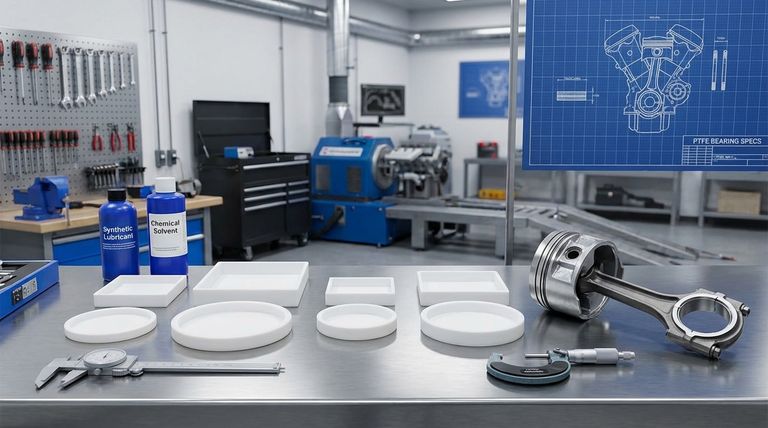
At its core, Teflon plays a critical role in automotive applications by enhancing durability, reducing friction, and ensuring chemical stability in hostile environments. It is most commonly found in essential components like gaskets, seals, bearings, bushings, and fuel system parts where its unique properties prevent wear, stop leaks, and resist degradation from heat and aggressive fluids.
The true value of Teflon, or Polytetrafluoroethylene (PTFE), in the automotive world lies not in a single feature, but in its powerful combination of properties. It solves critical engineering challenges by simultaneously providing extreme chemical inertness, high-temperature resistance, and one of the lowest coefficients of friction of any solid material.
Why Teflon is a Go-To Material in Automotive Engineering
The automotive environment is exceptionally demanding, subjecting components to extreme temperatures, corrosive fluids, and constant mechanical stress. Teflon's molecular structure gives it a unique set of characteristics that directly address these challenges, making it an indispensable problem-solver for engineers.
Unmatched Chemical Resistance
A vehicle relies on numerous fluids, including gasoline, motor oil, brake fluid, and coolants. Many materials would degrade upon contact.
Teflon is chemically inert, meaning it does not react with these aggressive substances. This makes it the ideal material for seals, gaskets, and fuel hoses, ensuring system integrity and preventing dangerous leaks over the vehicle's lifespan.
Superior Low-Friction Performance
Mechanical efficiency and longevity are paramount. Reducing friction between moving parts is a primary way to achieve both.
With its exceptionally low coefficient of friction, Teflon is used as a coating or core material in bearings, bushings, and on axles. This creates a smooth, non-stick surface that drastically reduces wear and tear, improves performance, and minimizes the need for lubrication.
High-Temperature Stability
Components near the engine and exhaust system must withstand intense heat without losing their structural integrity.
Teflon maintains its key properties across a wide temperature range. This thermal stability allows it to be used reliably in high-heat applications, protecting parts from thermal degradation and ensuring consistent performance under demanding operating conditions.
Robust Sealing and Durability
Preventing leaks is a fundamental requirement for safety and reliability, from the engine block to the fluid power systems.
Teflon's unique balance of hardness and flexibility allows it to create durable, long-lasting seals. Teflon-encapsulated O-Rings, for example, provide a leak-proof connection that resists harsh conditions and reduces maintenance by not requiring frequent lubrication.
Understanding the Practical Trade-offs
While incredibly useful, Teflon is not a universal solution. An objective assessment requires understanding its limitations.
Susceptibility to Creep
Under sustained pressure, especially at elevated temperatures, pure Teflon can be subject to "creep" or "cold flow." This means it can slowly deform over time, which could compromise the integrity of a seal or the tolerance of a bearing.
Limited Abrasion Resistance
In its pure form, Teflon is a relatively soft material. While it is very slick, it can be worn away by abrasive particles. For high-load mechanical applications like bearings, it is often used in composite form, blended with fillers like glass or carbon, to improve its strength and resistance to wear.
Higher Material Cost
Compared to more common elastomers or plastics, Teflon is a premium material. Its use is typically reserved for applications where its specific performance characteristics are a critical requirement, justifying the higher cost.
Making the Right Choice for Your Application
Selecting Teflon is about matching its unique strengths to a specific engineering problem.
- If your primary focus is reducing friction and wear: Utilize Teflon-coated bearings, bushings, and other moving components to enhance efficiency and longevity.
- If your primary focus is ensuring chemical integrity and sealing: Specify Teflon for gaskets, O-rings, and fuel system components that will be exposed to corrosive automotive fluids.
- If your primary focus is performance in high-heat zones: Choose Teflon for parts located near the engine or exhaust where thermal stability is non-negotiable.
Ultimately, leveraging Teflon correctly allows engineers to build more reliable, efficient, and durable automotive systems.
Summary Table:
| Teflon Property | Automotive Application | Key Benefit |
|---|---|---|
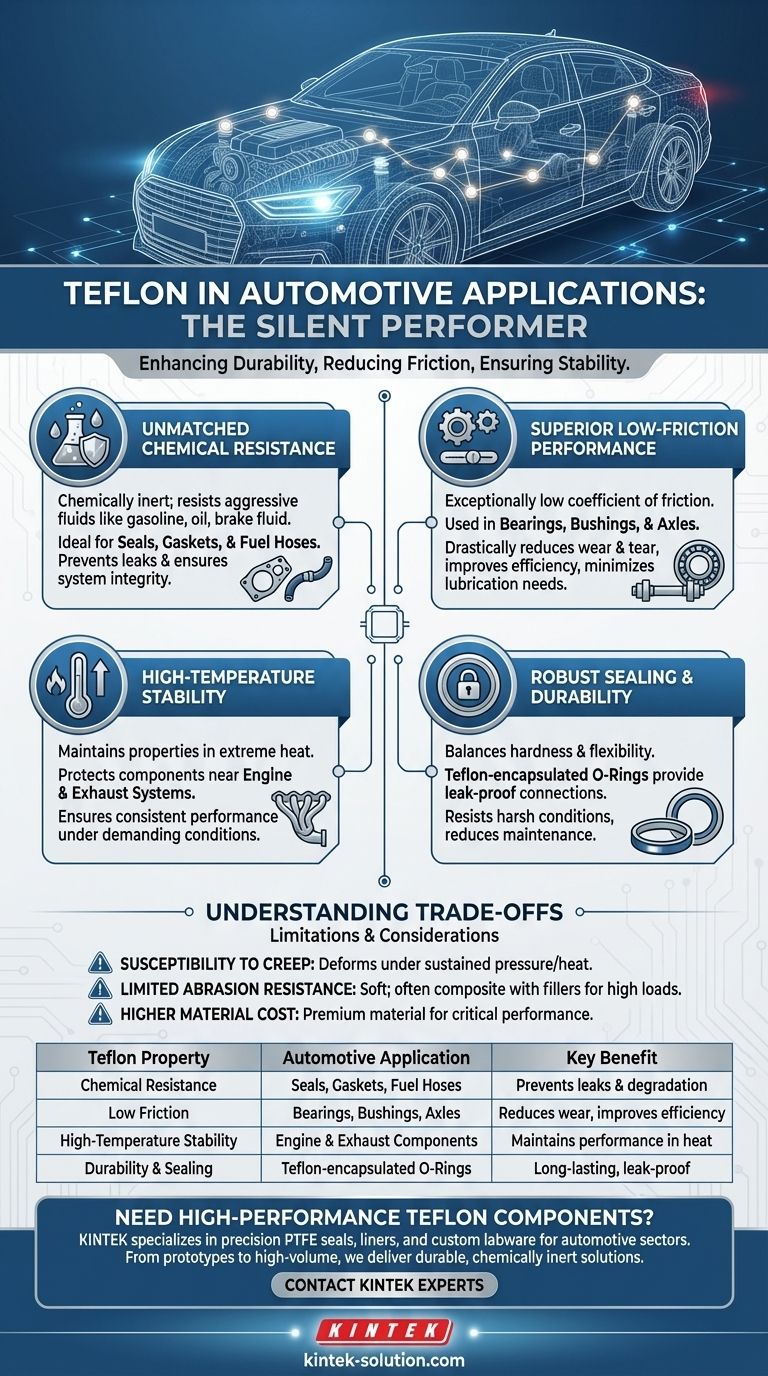
| Chemical Resistance | Seals, Gaskets, Fuel Hoses | Prevents leaks & degradation from fluids |
| Low Friction | Bearings, Bushings, Axles | Reduces wear, improves efficiency, minimizes lubrication |
| High-Temperature Stability | Engine & Exhaust Components | Maintains performance under extreme heat |
| Durability & Sealing | Teflon-encapsulated O-Rings | Provides long-lasting, leak-proof connections |
Need high-performance Teflon components for your automotive applications? KINTEK specializes in manufacturing precision PTFE seals, liners, and custom labware for the automotive, semiconductor, medical, and industrial sectors. From prototypes to high-volume orders, we deliver durable, chemically inert solutions that withstand extreme conditions. Contact our experts today to discuss how our custom Teflon fabrication can enhance your product's reliability and efficiency!
Visual Guide
Related Products
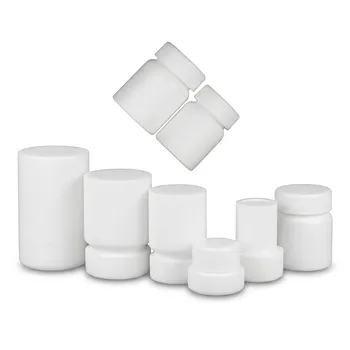
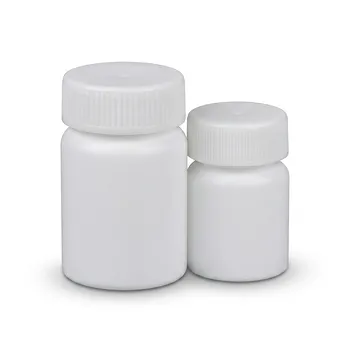
- PTFE Small Reaction Bottle Corrosion Resistant Teflon Sample Dissolution Tank One Piece Molded Fluoropolymer Storage Container
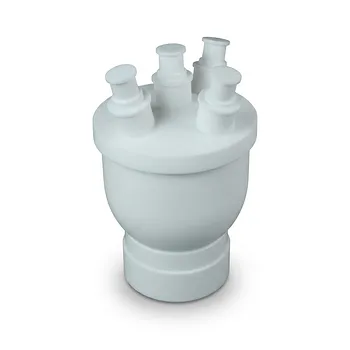
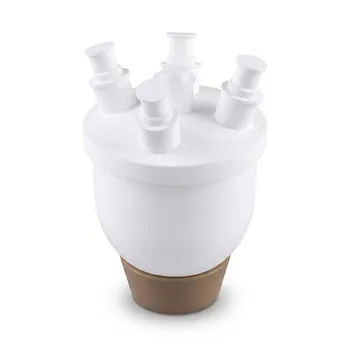
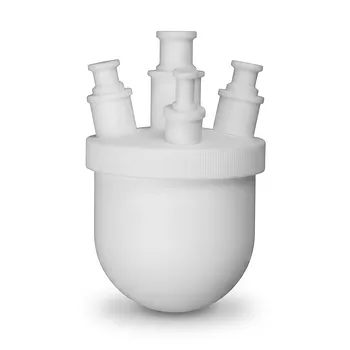
- Customizable Polytetrafluoroethylene PTFE Reactor and Corrosion Resistant Teflon Flask
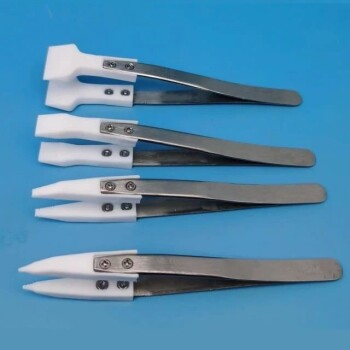
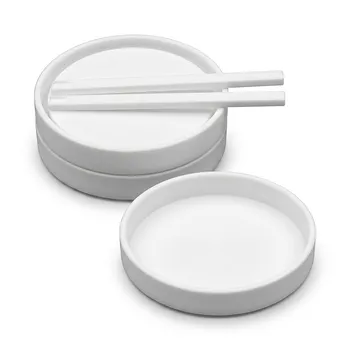
- Custom PTFE Parts Manufacturer for Teflon Parts and PTFE Tweezers
- Custom PTFE Teflon Balls for Advanced Industrial Applications
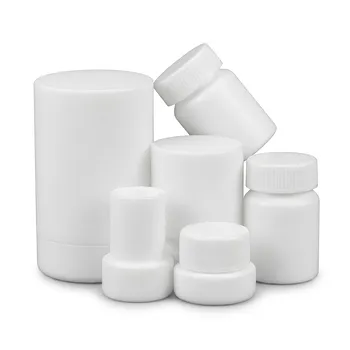
- Corrosion Resistant PTFE Small Reaction Bottle One Piece Molded Teflon Sample Storage Tank
People Also Ask
- What are the temperature limits for the PTFE bottle? Ensure Safety from -200°C to 260°C
- What are the advantages of the PTFE bottle's non-stick surface? Ensure Purity and Efficiency in Your Lab
- How do Polytetrafluoroethylene (PTFE) containers perform regarding gas permeation? Expert Insights on Solvent Absorption
- What are the key features of PTFE reagent bottles? Superior Chemical Resistance and Durability
- Are PTFE Laboratory Containers and Fluid Fittings Resistant to All Chemical Solvents? Discover Key Exceptions and Safe Handling Tips