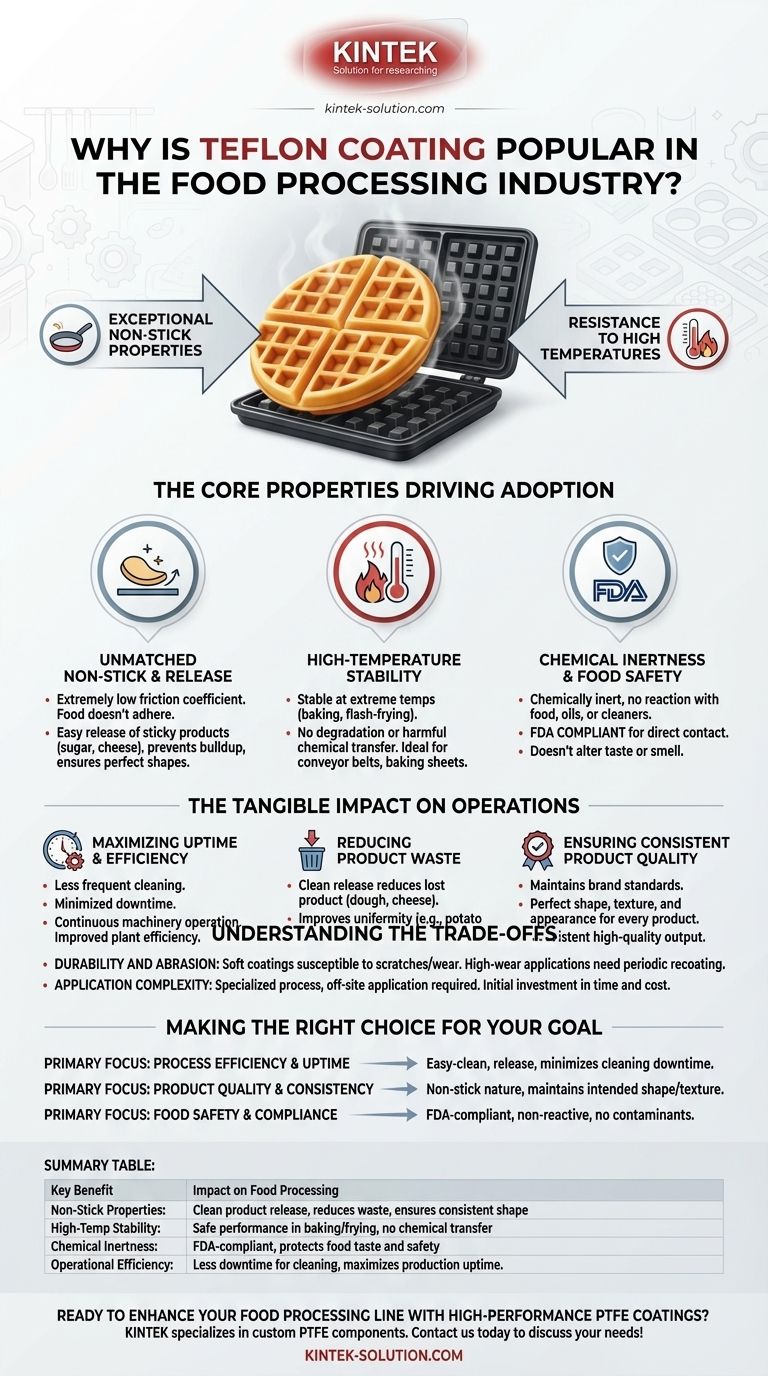
At its core, the popularity of Teflon (PTFE) coating in the food processing industry stems from two primary characteristics: its exceptional non-stick properties and its resistance to high temperatures. This combination ensures that food products release cleanly and easily from equipment, which is fundamental to maintaining product quality, reducing waste, and maximizing operational efficiency.
The central challenge in large-scale food production is preventing ingredients from sticking to machinery, which causes downtime, waste, and inconsistent quality. Teflon solves this by creating an inert, low-friction, and heat-stable surface, transforming manufacturing efficiency and product consistency.
The Core Properties Driving Adoption
The value of Teflon in an industrial food setting is rooted in a few key scientific and regulatory properties that directly address common production bottlenecks.
Unmatched Non-Stick and Release Capabilities
Teflon's defining feature is its extremely low coefficient of friction, creating a surface that food simply does not adhere to.
This allows for the easy release of sticky products like sugar cubes from molds, prevents cheese from building up on augers, and ensures waffles and muffins come out of their trays perfectly formed.
High-Temperature Stability
Food processing often involves extreme temperatures, from baking to flash-frying.
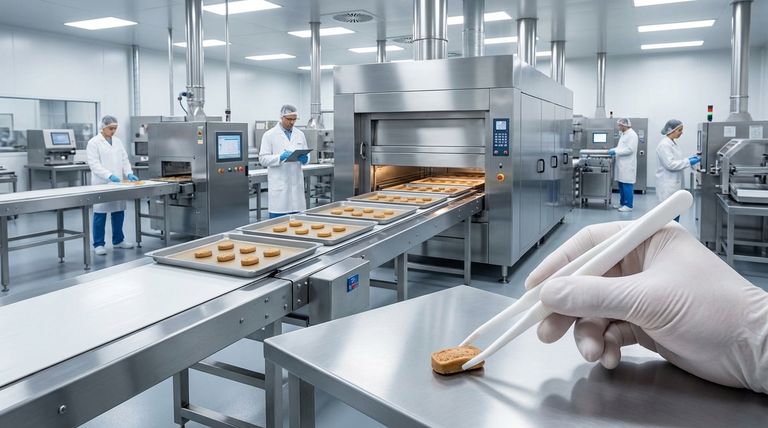
Teflon coatings remain stable and effective at these high temperatures without degrading or, crucially, transferring harmful chemicals to the food. This makes them ideal for non-stick liners on baking sheets, conveyor belts, and other heated surfaces.
Chemical Inertness and Food Safety
Teflon is chemically inert, meaning it does not react with food products, oils, fats, or even strong cleaning agents.
It does not alter the taste, smell, or consistency of the food it touches. Coatings used in these applications are FDA compliant, ensuring they meet strict safety standards for direct food contact.
The Tangible Impact on Operations
These physical properties translate directly into significant operational and financial benefits for food processing plants.
Maximizing Uptime and Efficiency
Equipment with Teflon-coated surfaces requires less frequent and less intensive cleaning.
This reduction in cleaning time minimizes production downtime, enabling machinery to run continuously for longer periods and dramatically improving overall plant efficiency.
Reducing Product Waste
When sticky substances like dough or cheese adhere to machinery, that product is often lost or damaged.
Teflon’s non-stick surface ensures a clean release, which significantly reduces waste. For example, coating potato chip slicing knives with Teflon reduces residue buildup and improves the uniformity of the slices.
Ensuring Consistent Product Quality
The ability to cleanly release food from molds, trays, and cutting instruments is vital for maintaining brand standards.
Teflon coatings ensure that every muffin, cookie, or ice cream cone maintains its intended shape, texture, and appearance, leading to a more consistent and high-quality final product.
Understanding the Trade-offs
While highly effective, Teflon coatings are not a universal solution without limitations. Understanding the trade-offs is key to proper implementation.
Durability and Abrasion
Standard PTFE coatings are relatively soft and can be susceptible to scratching and wear from abrasive ingredients or harsh mechanical cleaning methods.
This means that high-wear applications may require periodic recoating, which should be factored into maintenance schedules and long-term costs.
Application Complexity
Applying an industrial-grade Teflon coating is a specialized process that cannot be done on-site.
Equipment must be sent to a facility with the proper surface preparation and curing technology. This represents an initial investment in both time and cost compared to uncoated equipment.
Making the Right Choice for Your Goal
Integrating Teflon coatings is a strategic decision based on specific operational priorities.
- If your primary focus is process efficiency and uptime: Teflon's easy-clean and release properties are its greatest asset, directly minimizing the downtime required for cleaning equipment.
- If your primary focus is product quality and consistency: Its non-stick nature ensures your product maintains its intended shape, texture, and appearance from mold to packaging.
- If your primary focus is food safety and compliance: Using FDA-compliant Teflon coatings ensures that equipment surfaces are non-reactive and do not introduce contaminants to the food stream.
Ultimately, leveraging Teflon in a food processing line is a proven method for enhancing operational reliability and protecting the integrity of your final product.
Summary Table:
| Key Benefit | Impact on Food Processing |
|---|---|
| Non-Stick Properties | Clean product release, reduces waste, ensures consistent shape |
| High-Temp Stability | Safe performance in baking/frying, no chemical transfer |
| Chemical Inertness | FDA-compliant, protects food taste and safety |
| Operational Efficiency | Less downtime for cleaning, maximizes production uptime |
Ready to enhance your food processing line with high-performance PTFE coatings?
KINTEK specializes in manufacturing custom PTFE components—including seals, liners, and labware—for the semiconductor, medical, laboratory, and industrial sectors. Our precision production and custom fabrication services, from prototypes to high-volume orders, ensure you get durable, FDA-compliant coatings that reduce waste, improve efficiency, and maintain product quality.
Contact us today to discuss your specific needs and see how our PTFE solutions can optimize your operations!
Visual Guide
Related Products
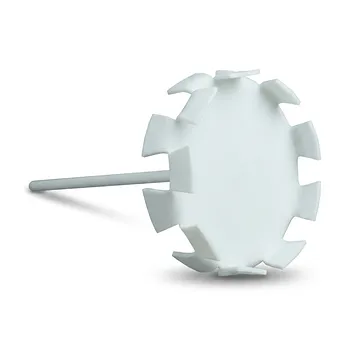
- High Purity PTFE Dispersion Disk for Food and Cosmetic Processing Non Stick Corrosion Resistant Large Stirring Paddle Customizable Fluoropolymer Impeller
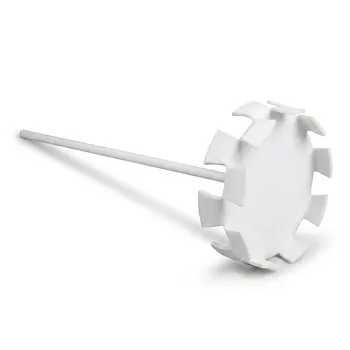
- PTFE Dispersion Disk Food Cosmetic Grade Non Stick Corrosion Resistant Large Stirring Paddle Customizable Impeller
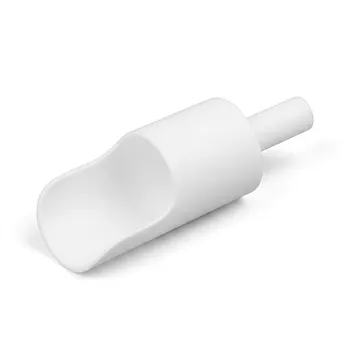
- Custom Food Grade PTFE Scoops Cylindrical Chemical Spatulas Bio Pharmaceutical Non Polluting Material Handling Tools
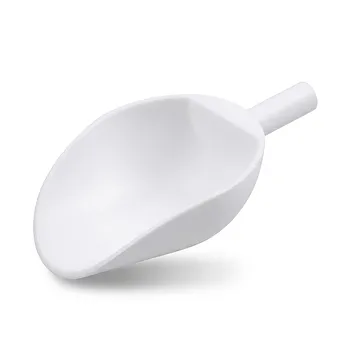
- Customized PTFE Lab Spatula Corrosion Resistant Food Grade Non Polluting Material Scoop Round Head
- High Temperature Resistant Thickened PTFE Beaker 2000ml for Chemical Processing and Laboratory Trace Analysis
People Also Ask
- How many variations of PTFE disks are available and what parameters do they differ in? Choose the Right Material for Your Application
- What is the chemical formula and material of PTFE Disk? Unlock the Power of C₂F₄ Polymer
- What are the tolerance specifications for the thickness of PTFE disks? Why ±20% is the Industry Standard
- What is Dispersion PTFE used for? Creating Thin, High-Performance Coatings and Films
- What key properties are measured under ASTM D4441 to classify and evaluate PTFE dispersions?