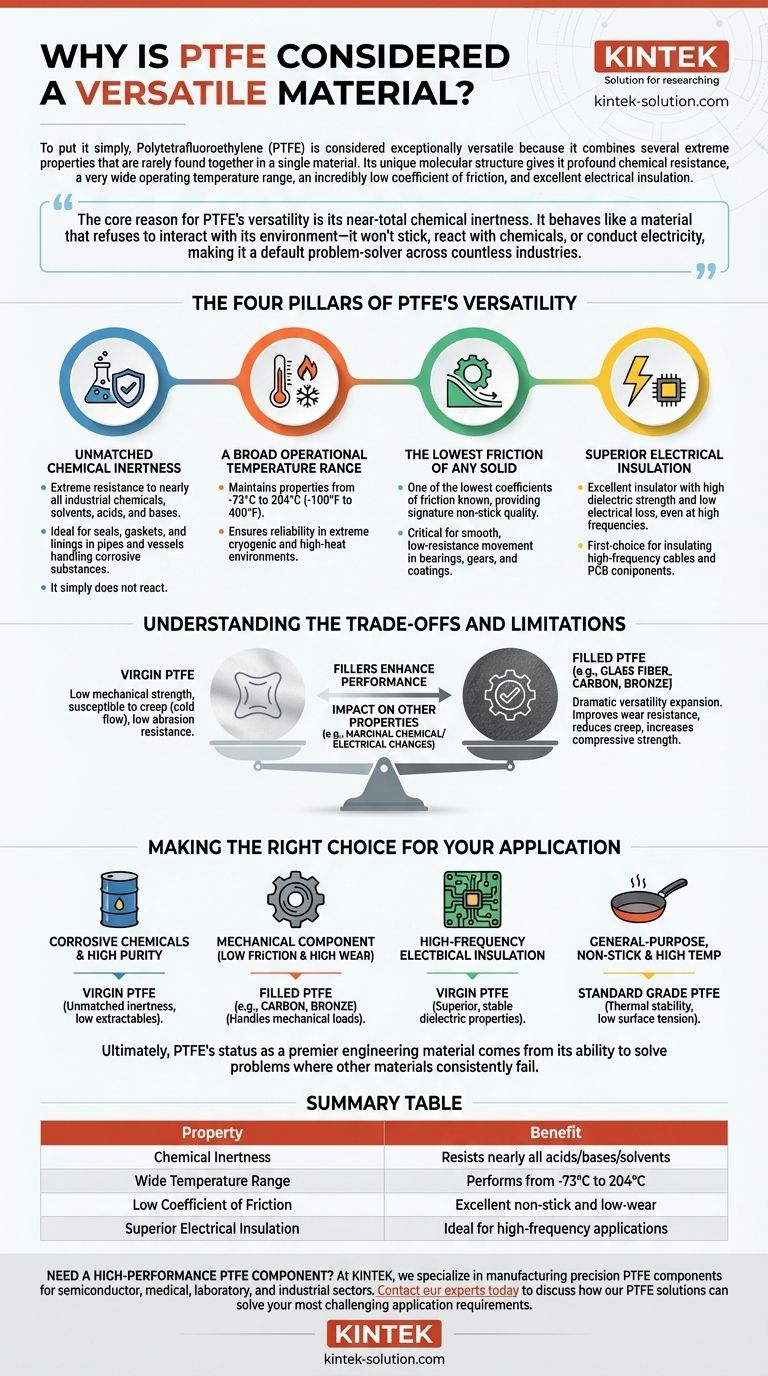
To put it simply, Polytetrafluoroethylene (PTFE) is considered exceptionally versatile because it combines several extreme properties that are rarely found together in a single material. Its unique molecular structure gives it profound chemical resistance, a very wide operating temperature range, an incredibly low coefficient of friction, and excellent electrical insulation.
The core reason for PTFE's versatility is its near-total chemical inertness. It behaves like a material that refuses to interact with its environment—it won't stick, react with chemicals, or conduct electricity, making it a default problem-solver across countless industries.
The Four Pillars of PTFE's Versatility
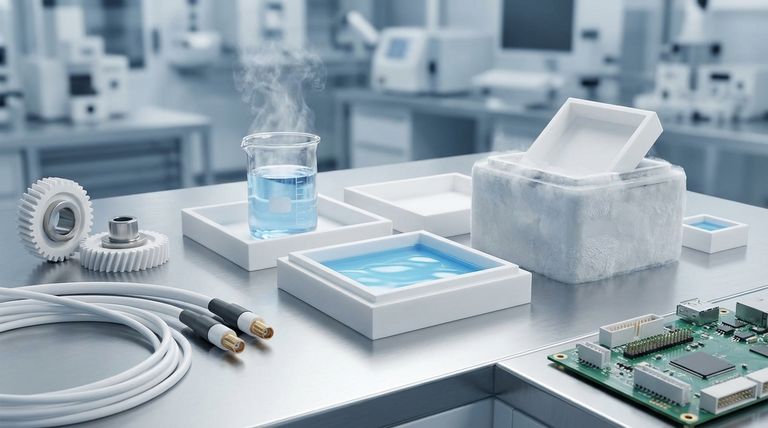
PTFE, widely known by the trade name Teflon, derives its utility from a powerful combination of four primary characteristics. Understanding these pillars is key to knowing why it's specified for such a diverse range of applications, from aerospace to cookware.
Unmatched Chemical Inertness
PTFE offers extreme resistance to nearly all industrial chemicals, solvents, acids, and bases.
This makes it an ideal material for seals, gaskets, and linings in pipes and vessels that handle highly corrosive or high-purity substances. It simply does not react.
A Broad Operational Temperature Range
This material maintains its properties across a vast temperature spectrum, typically from -73°C to 204°C (-100°F to 400°F).
It will not become brittle in cryogenic conditions or degrade in many high-heat applications, ensuring reliability in extreme environments.
The Lowest Friction of Any Solid
PTFE has one of the lowest coefficients of friction known for any solid material. This gives it its signature non-stick quality.
This property is critical for applications requiring smooth, low-resistance movement, such as in self-lubricating bearings, gears, and low-friction coatings.
Superior Electrical Insulation
As an excellent electrical insulator, PTFE maintains very high dielectric strength and low electrical loss, even at high frequencies.
This makes it a first-choice material for insulating high-frequency cables, connectors, and components in printed circuit boards.
Understanding the Trade-offs and Limitations
No material is perfect. While PTFE's core properties are exceptional, its mechanical performance presents a critical trade-off that must be managed for successful application.
Low Mechanical Strength
In its pure, or virgin, state, PTFE is a relatively soft material. It is susceptible to creep (cold flow) under sustained load and has low resistance to abrasion.
This means for structural or high-pressure mechanical applications, virgin PTFE is often unsuitable.
The Role of Fillers to Enhance Performance
To overcome its mechanical weaknesses, PTFE is often compounded with fillers. This dramatically expands its versatility.
Adding materials like glass fiber, carbon, or bronze significantly improves wear resistance, reduces creep, and increases compressive strength. This creates a new class of materials suitable for demanding mechanical components like piston rings and valve seats.
Impact on Other Properties
While fillers improve mechanical strength, they can slightly alter PTFE's other defining characteristics.
For example, adding a filler may marginally reduce its chemical resistance or change its electrical properties. This is a crucial design consideration.
Making the Right Choice for Your Application
Selecting the right grade of PTFE depends entirely on the primary demand of your project.
- If your primary focus is handling corrosive chemicals or ensuring high purity: Choose virgin PTFE for its unmatched chemical inertness and low level of extractables.
- If your primary focus is a mechanical component requiring low friction and high wear resistance: Select a filled PTFE, such as a carbon or bronze-filled grade, to handle the mechanical loads.
- If your primary focus is high-frequency electrical insulation: Virgin PTFE is the ideal choice due to its superior and stable dielectric properties.
- If your primary focus is a general-purpose, non-stick surface at high temperatures: A standard grade of PTFE, like that used in cookware, provides the necessary thermal stability and low surface tension.
Ultimately, PTFE's status as a premier engineering material comes from its ability to solve problems where other materials consistently fail.
Summary Table:
| Key Property | Benefit |
|---|---|
| Chemical Inertness | Resists nearly all acids, bases, and solvents |
| Wide Temperature Range | Performs from -73°C to 204°C (-100°F to 400°F) |
| Low Coefficient of Friction | Provides excellent non-stick and low-wear properties |
| Superior Electrical Insulation | Ideal for high-frequency cables and circuit boards |
Need a High-Performance PTFE Component?
At KINTEK, we specialize in manufacturing precision PTFE components—from seals and liners to custom labware—for the semiconductor, medical, laboratory, and industrial sectors. Whether you require the pure chemical resistance of virgin PTFE or the enhanced mechanical strength of filled grades, our custom fabrication services cover everything from prototypes to high-volume orders.
Contact our experts today to discuss how our PTFE solutions can solve your most challenging application requirements.
Visual Guide
Related Products
- Custom PTFE Filtration System Acid Resistant High Purity Semiconductor Grade Chemical Processing Filter
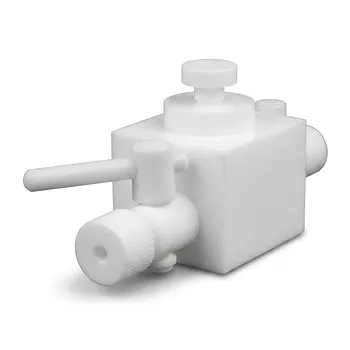
- High Corrosion Resistant PTFE Faucet Polytetrafluoroethylene Valve for Chemical Storage Drums and Fluid Transfer Systems Customizable Industrial Grade
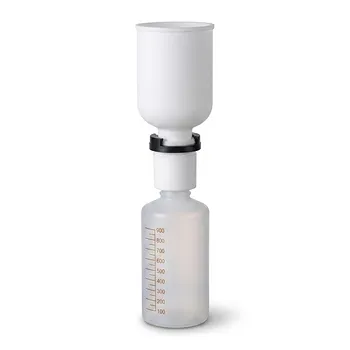
- PTFE PFA Vacuum Filtration System Corrosion Resistant Customizable Shatterproof Laboratory Device
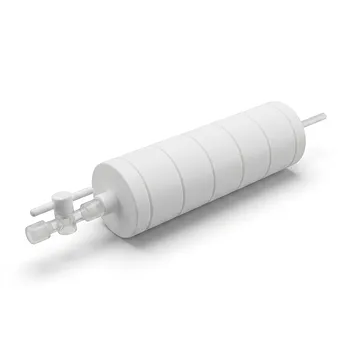
- PTFE Corrosion Resistant Filter with PFA Valve Connections and Integrated Sieve Plate
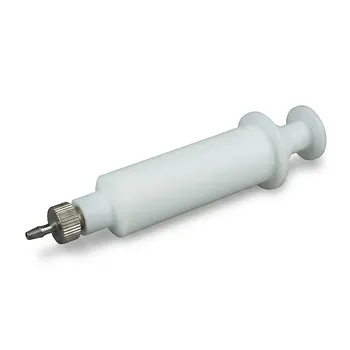
- High Temperature Chemical Resistant 50ml PTFE Syringe Customized Teflon Injector with Threaded Seal for Trace Analysis
People Also Ask
- What makes PTFE filtration systems advantageous for industrial and scientific use? Unmatched Chemical & Thermal Stability
- What steps are involved in selecting the proper PTFE filter? A 4-Step Guide to Optimal Filtration
- What sizes and pore options are available for PTFE filters? Choose the Right Filter for Your Application
- What temperature resistance do PTFE filters offer? Unmatched Thermal Stability from -200°C to +260°C
- How does the hydrophobicity of PTFE filters benefit their use? Ensure Uninterrupted Gas Flow and Solvent Filtration