At its core, Polytetrafluoroethylene (PTFE) provides an unparalleled combination of extreme resilience and unique surface properties. This fluoropolymer is defined by its profound chemical inertness, exceptionally wide operating temperature range, excellent electrical insulation, and the lowest coefficient of friction of any known solid material. These attributes make it a uniquely versatile and reliable solution for the most demanding engineering environments.
While often recognized for its "non-stick" quality, the true advantage of PTFE lies in its ability to simultaneously resist aggressive chemicals, extreme temperatures, and electrical current. It is a problem-solving material engineered to perform where nearly all other polymers would fail.

The Foundation: Unrivaled Stability
The primary advantages of PTFE stem from its unique molecular structure, which provides a level of stability that is rare among polymers. This foundation allows it to operate reliably in conditions that would cause rapid degradation of other materials.
Unmatched Chemical Inertness
The bond between carbon and fluorine atoms in PTFE is one of the strongest in organic chemistry.
This incredibly stable bond makes the material virtually impervious to chemical attack. It is inert to almost all industrial chemicals, solvents, and corrosive agents.
This property is critical for applications involving aggressive media, such as seals, gaskets, and linings in chemical processing plants.
A Vast Operating Temperature Range
PTFE maintains its properties across an exceptionally broad spectrum of temperatures.
It can function effectively in continuous service up to +260°C (+500°F) and remains strong and flexible at cryogenic temperatures as low as -270°C (-454°F).
This thermal stability ensures performance and reliability in applications ranging from aerospace components to industrial ovens.
The Defining Surface Properties
Beyond its core stability, PTFE is most famous for the unique characteristics of its surface. These properties are not a coating but are inherent to the material itself.
The Lowest Coefficient of Friction
PTFE has the lowest coefficient of friction of any solid, making it one of the "slipperiest" substances known.
This means components move against each other with minimal resistance, which significantly reduces wear, energy consumption, and heat generation.
It is the ideal choice for applications like low-friction bearings, slide plates, and non-lubricated seals.
Non-Adhesive and Water-Resistant
The same molecular forces that give PTFE its low friction also create a non-stick, non-wetting surface.
Materials, including sticky substances and water, do not adhere well to it. PTFE is both hydrophobic (repels water) and oleophobic (repels oil).
This anti-adhesion quality is essential for everything from cookware and industrial coatings to medical devices where purity is paramount.
Essential Electrical and Purity Qualities
PTFE's advantages extend into highly specialized electrical and high-purity applications, further cementing its role as a high-performance material.
Superior Electrical Insulation
PTFE possesses a very low dielectric constant and high dielectric strength.
In simple terms, it is an outstanding electrical insulator that does not store or conduct electrical energy effectively.
This makes it a first-choice material for high-frequency applications, such as coaxial cable insulation and components in sensitive electronic equipment.
High Purity and Biocompatibility
Because it is so chemically inert, PTFE does not leach chemicals or contaminate its surroundings.
The material is often produced to very high purity standards and is FDA-approved for food contact, making it suitable for the food processing, pharmaceutical, and medical industries.
Understanding the Trade-offs and Limitations
No material is perfect, and its incredible strengths are balanced by certain limitations. Understanding these trade-offs is key to using PTFE effectively.
Relatively Low Mechanical Strength
Compared to engineering plastics like nylon or PEEK, virgin PTFE is a relatively soft material.
It is susceptible to creep, which is the tendency to slowly deform under a constant load, especially at elevated temperatures. It also has lower wear and abrasion resistance in its pure form.
The Role of Fillers
To counteract its mechanical weaknesses, PTFE is often blended with fillers like glass, carbon, or bronze.
These fillers dramatically increase wear resistance, improve strength, and reduce creep, but they may slightly alter other properties like chemical resistance or the coefficient of friction.
Susceptibility to High-Energy Radiation
While it has excellent weatherability and UV resistance, PTFE can be degraded by high-energy radiation, such as gamma rays.
This is a critical consideration for applications in nuclear or space environments where radiation exposure is a primary concern.
Making the Right Choice for Your Application
Selecting PTFE is a decision driven by the need to solve a specific, often extreme, environmental challenge. Its advantages are most pronounced when conventional materials are inadequate.
- If your primary focus is high-purity or sanitary processes: Its chemical inertness and FDA-approved grades make it the safe choice for medical, pharmaceutical, and food-grade applications.
- If your primary focus is low-friction mechanical systems: Its near-zero stick-slip behavior and low coefficient of friction are ideal for self-lubricating bearings, seals, and sliding components.
- If your primary focus is harsh chemical or thermal environments: Its unmatched chemical resistance and wide temperature stability make it the definitive choice for gaskets, linings, and fluid-handling systems.
- If your primary focus is high-frequency electrical insulation: Its low dielectric constant ensures signal integrity and minimal energy loss in critical electronic and communication hardware.
Ultimately, PTFE provides a robust and reliable solution for engineering challenges where performance cannot be compromised.
Summary Table:
| Key Advantage | Benefit to Your Application |
|---|---|
| Chemical Inertness | Resists virtually all industrial chemicals and solvents. |
| Wide Temperature Range | Performs from -270°C to +260°C (-454°F to +500°F). |
| Low Coefficient of Friction | Reduces wear, energy use, and heat in moving parts. |
| Superior Electrical Insulation | Ideal for high-frequency and sensitive electronic equipment. |
| High Purity & Biocompatibility | FDA-approved for food, pharmaceutical, and medical uses. |
Ready to leverage the unique advantages of PTFE in your project?
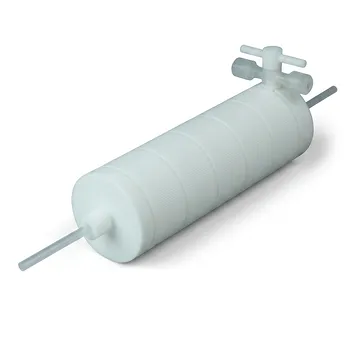
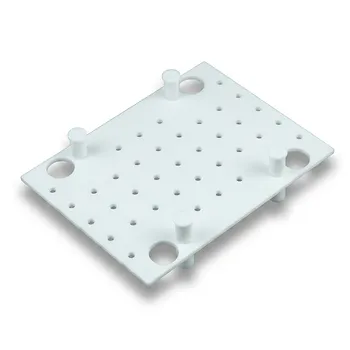
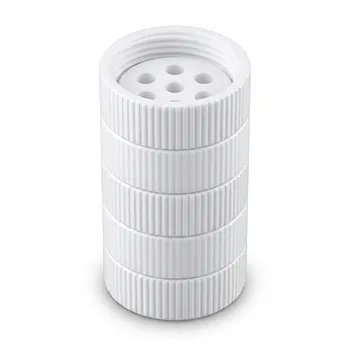
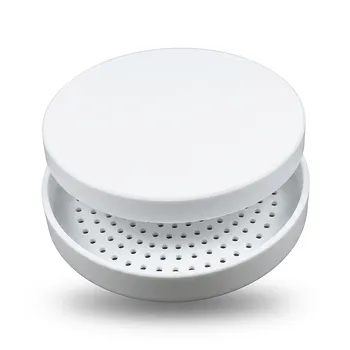
At KINTEK, we specialize in manufacturing high-precision PTFE components—including seals, liners, and custom labware—for the semiconductor, medical, laboratory, and industrial sectors. Whether you need a custom prototype or a high-volume production run, our expertise ensures you get a component that delivers unmatched chemical resistance, thermal stability, and reliability.
Contact our experts today to discuss your specific requirements and discover how our PTFE solutions can solve your most demanding engineering challenges.
Visual Guide

Related Products
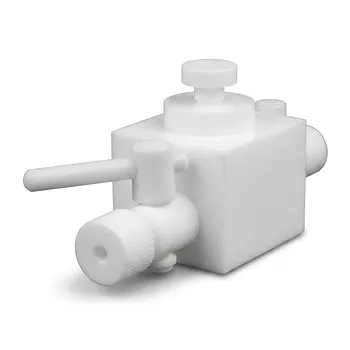
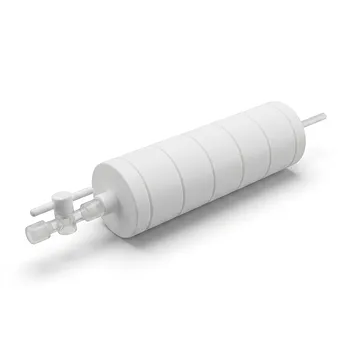
- Custom PTFE Filtration System Acid Resistant High Purity Semiconductor Grade Chemical Processing Filter
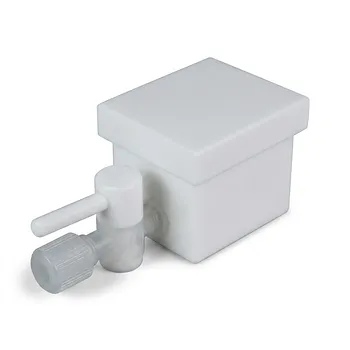
- High Corrosion Resistant PTFE Faucet Polytetrafluoroethylene Valve for Chemical Storage Drums and Fluid Transfer Systems Customizable Industrial Grade
- PTFE PFA Vacuum Filtration System Corrosion Resistant Customizable Shatterproof Laboratory Device
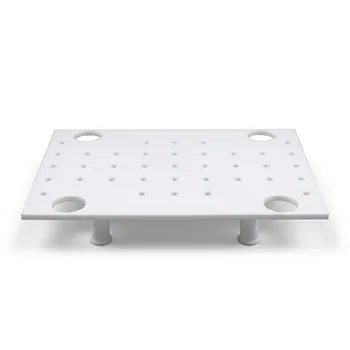
- PTFE Corrosion Resistant Filter with PFA Valve Connections and Integrated Sieve Plate
- High Temperature Chemical Resistant 50ml PTFE Syringe Customized Teflon Injector with Threaded Seal for Trace Analysis
People Also Ask
- What makes PTFE filtration systems advantageous for industrial and scientific use? Unmatched Chemical & Thermal Stability
- What sizes and pore options are available for PTFE filters? Choose the Right Filter for Your Application
- What steps are involved in selecting the proper PTFE filter? A 4-Step Guide to Optimal Filtration
- What temperature resistance do PTFE filters offer? Unmatched Thermal Stability from -200°C to +260°C
- How does the hydrophobicity of PTFE filters benefit their use? Ensure Uninterrupted Gas Flow and Solvent Filtration