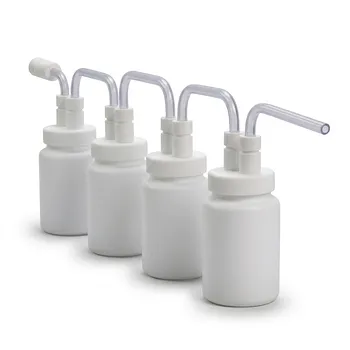
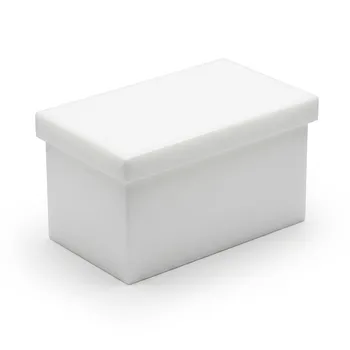
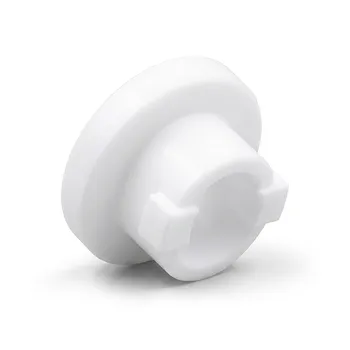
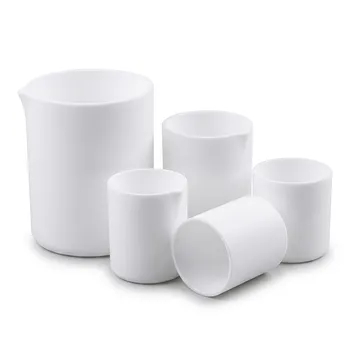
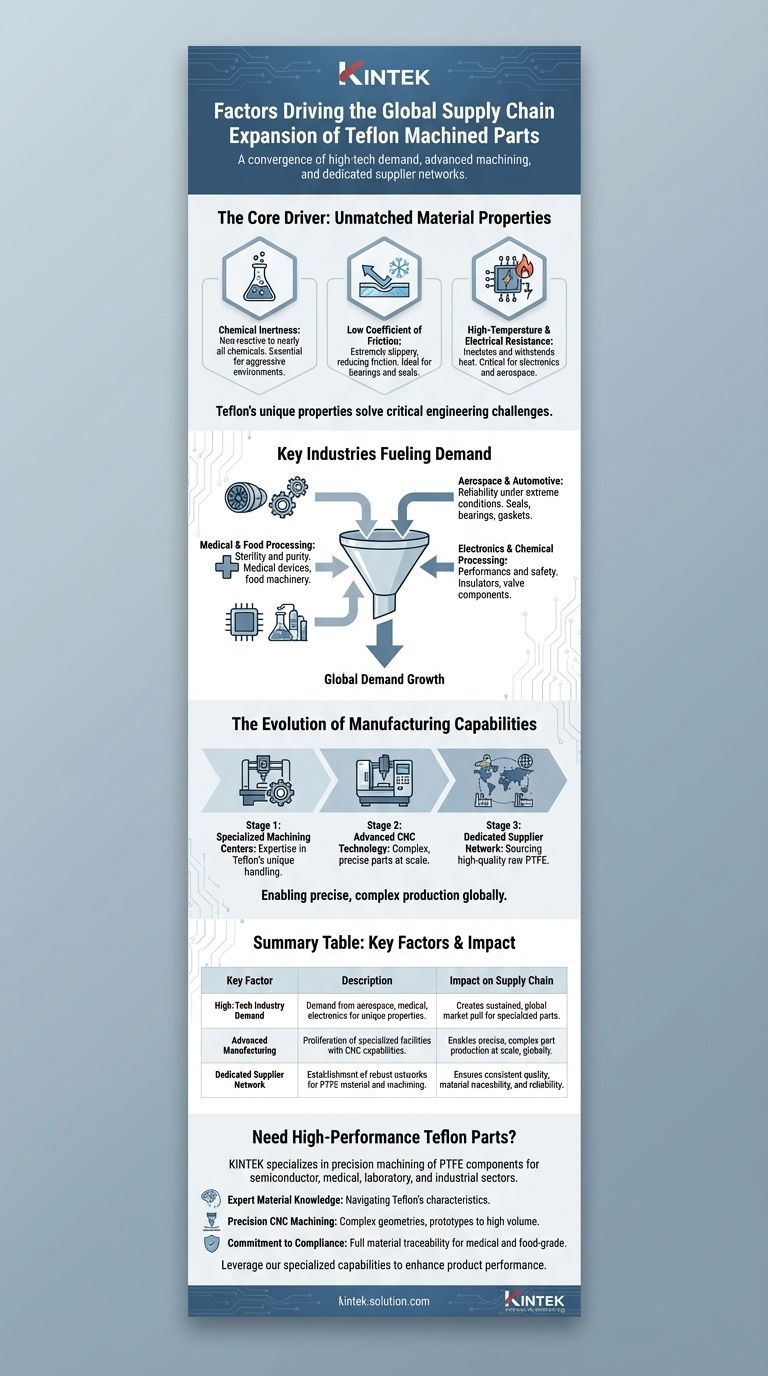
The global supply chain for Teflon machined parts is expanding due to a convergence of three core factors: intense and growing demand from high-tech industries for high-performance materials, the proliferation of specialized machining facilities with advanced CNC equipment, and the establishment of a robust network of suppliers dedicated specifically to PTFE products.
The expansion is not simply a matter of increased production. It's a direct response to the fact that Teflon's unique chemical and physical properties solve critical engineering challenges in the world's most demanding sectors, from aerospace to medical devices.
The Core Driver: Unmatched Material Properties
The demand for Teflon (PTFE) isn't arbitrary; it’s rooted in a unique combination of properties that other materials struggle to match. These characteristics make it indispensable for certain applications.
Chemical Inertness
Teflon is non-reactive to nearly all chemicals. This makes it an essential material for components like seals, gaskets, and valve components used in aggressive chemical processing environments.
Low Coefficient of Friction
Often cited as one of the slipperiest materials in existence, Teflon is ideal for applications where reducing friction is critical. This is why it is so widely used for high-performance bearings, bushings, and seals.
High-Temperature and Electrical Resistance
Teflon maintains its integrity at high temperatures and is an excellent electrical insulator. This combination is highly valued in the electronics and aerospace industries for creating durable insulators, spacers, and other components.
Key Industries Fueling the Demand
A handful of high-growth, high-specification industries are the primary consumers of machined Teflon parts, driving the need for a more sophisticated and global supply chain.
Aerospace and Automotive
In these sectors, reliability is paramount. Teflon parts are used for seals, bearings, and gaskets that must perform under extreme temperatures and pressures while reducing mechanical friction.
Medical and Food Processing
Because PTFE is largely inert and can be sterilized, it is a go-to material for medical equipment components and devices. In food processing machinery, its non-stick and non-reactive properties ensure purity and operational efficiency.
Electronics and Chemical Processing
From insulators in complex electronic assemblies to valve components in chemical plants, Teflon's resistance to electricity and chemical corrosion makes it a foundational material for enhancing product performance and safety.
The Evolution of Manufacturing Capabilities
Demand alone is not enough to expand a supply chain. The growth has been enabled by significant advancements in manufacturing technology and expertise, which are now more globally distributed than ever before.
Rise of Specialized Machining Centers
Machining Teflon is a specialized skill. Its unique properties require specific tools, speeds, and handling techniques. The emergence of dedicated facilities with this expertise has been crucial.
Accessibility of Advanced CNC Technology
Modern CNC (Computer Numerical Control) machining allows for the creation of highly complex and precise Teflon parts at scale. This technology supports both rapid prototyping for new designs and large-scale production runs to meet global demand.
A Dedicated Supplier Network
The global supply chain has matured, with suppliers now specializing not just in machining but also in sourcing high-quality raw PTFE material. This ensures consistency and reliability for critical applications.
Common Pitfalls to Avoid
While the benefits are clear, sourcing and designing with Teflon requires an understanding of its limitations to prevent costly errors.
Managing Thermal Expansion
Teflon has a relatively high rate of thermal expansion. This must be accounted for during the design phase to maintain tight tolerances in applications with fluctuating temperatures.
Susceptibility to Creep
Under sustained pressure, especially at elevated temperatures, Teflon can slowly deform—a phenomenon known as "creep." This makes it unsuitable for certain high-load structural applications without reinforcement.
The Importance of Material Purity
For medical, semiconductor, and food-grade applications, the purity of the raw PTFE is critical. Working with suppliers who can provide material traceability is essential to meet regulatory and performance standards.
Making the Right Choice for Your Goal
Understanding the dynamics of this supply chain allows you to make more strategic sourcing decisions.
- If your primary focus is performance in harsh chemical environments: Prioritize suppliers with documented experience in the chemical processing or scientific equipment sectors.
- If your primary focus is rapid prototyping and complex geometries: Seek out partners who highlight their advanced CNC capabilities and can demonstrate a quick turnaround on intricate parts.
- If your primary focus is medical or food-grade compliance: Ensure your supplier can provide full material traceability and has a proven track record within these highly regulated industries.
Ultimately, navigating the global Teflon supply chain effectively depends on aligning your specific application needs with a supplier's specialized capabilities.
Summary Table:
| Key Factor | Description | Impact on Supply Chain |
|---|---|---|
| High-Tech Industry Demand | Demand from aerospace, medical, and electronics for PTFE's unique properties. | Creates sustained, global market pull for specialized parts. |
| Advanced Manufacturing | Proliferation of specialized facilities with advanced CNC machining capabilities. | Enables precise, complex part production at scale, globally. |
| Dedicated Supplier Network | Establishment of robust networks specializing in PTFE material and machining. | Ensures consistent quality, material traceability, and reliability. |
Need High-Performance Teflon Parts for Your Critical Application?
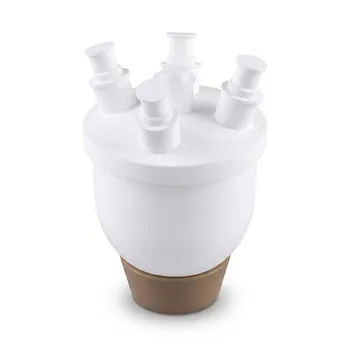
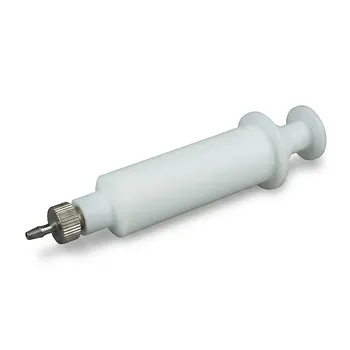
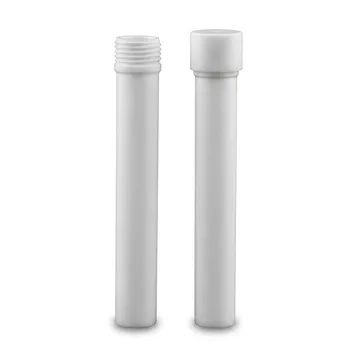
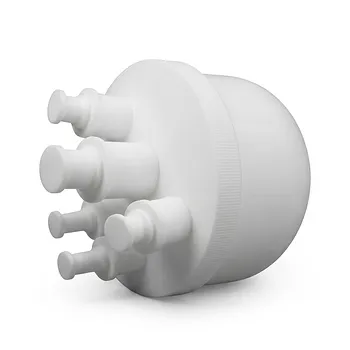
KINTEK specializes in the precision machining of PTFE components—from seals and liners to custom labware—for the semiconductor, medical, laboratory, and industrial sectors. We understand the unique properties of Teflon and the demanding standards of your industry.
Partner with us to leverage:
- Expert Material Knowledge: We navigate Teflon's characteristics, like thermal expansion and creep, to ensure your design performs as intended.
- Precision CNC Machining: We produce complex geometries and tight-tolerance parts, from prototypes to high-volume production runs.
- Commitment to Compliance: For medical and food-grade applications, we provide full material traceability to meet stringent regulatory standards.
Let's discuss your project requirements. Contact our engineering team today for a quote and see how our specialized capabilities can enhance your product's performance and reliability.
Visual Guide
Related Products
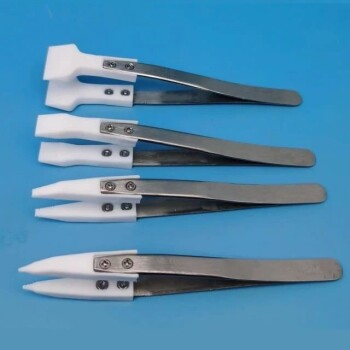
- Custom PTFE Parts Manufacturer for Teflon Parts and PTFE Tweezers
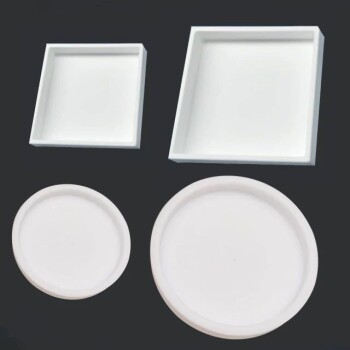
- Custom PTFE Parts Manufacturer for Teflon Containers and Components
- Custom PTFE Teflon Balls for Advanced Industrial Applications
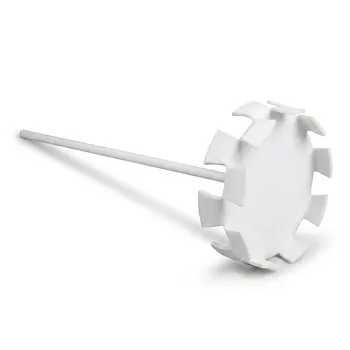
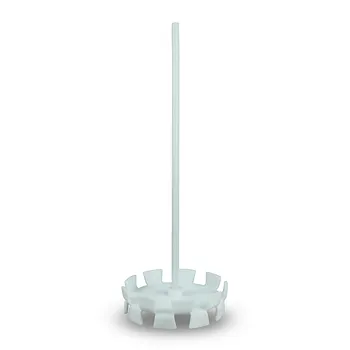
- PTFE Dispersion Disk Food Cosmetic Grade Non Stick Corrosion Resistant Large Stirring Paddle Customizable Impeller
- Corrosion Resistant PTFE Dispersing Disc and High Temperature Propeller Stirring Paddle for Laboratory Chemical Mixing
People Also Ask
- What are the key properties of Teflon (PTFE) used in custom parts? | Achieve Peak Performance
- What are the main advantages of using PTFE for custom parts? Solve Complex Engineering Challenges
- What design considerations are important for custom PTFE parts? Design for Performance & Reliability
- What industries use custom PTFE parts and for what purposes? Solve Critical Challenges with High-Performance Materials
- What industries benefit most from custom PTFE parts? Solve Extreme Environment Challenges