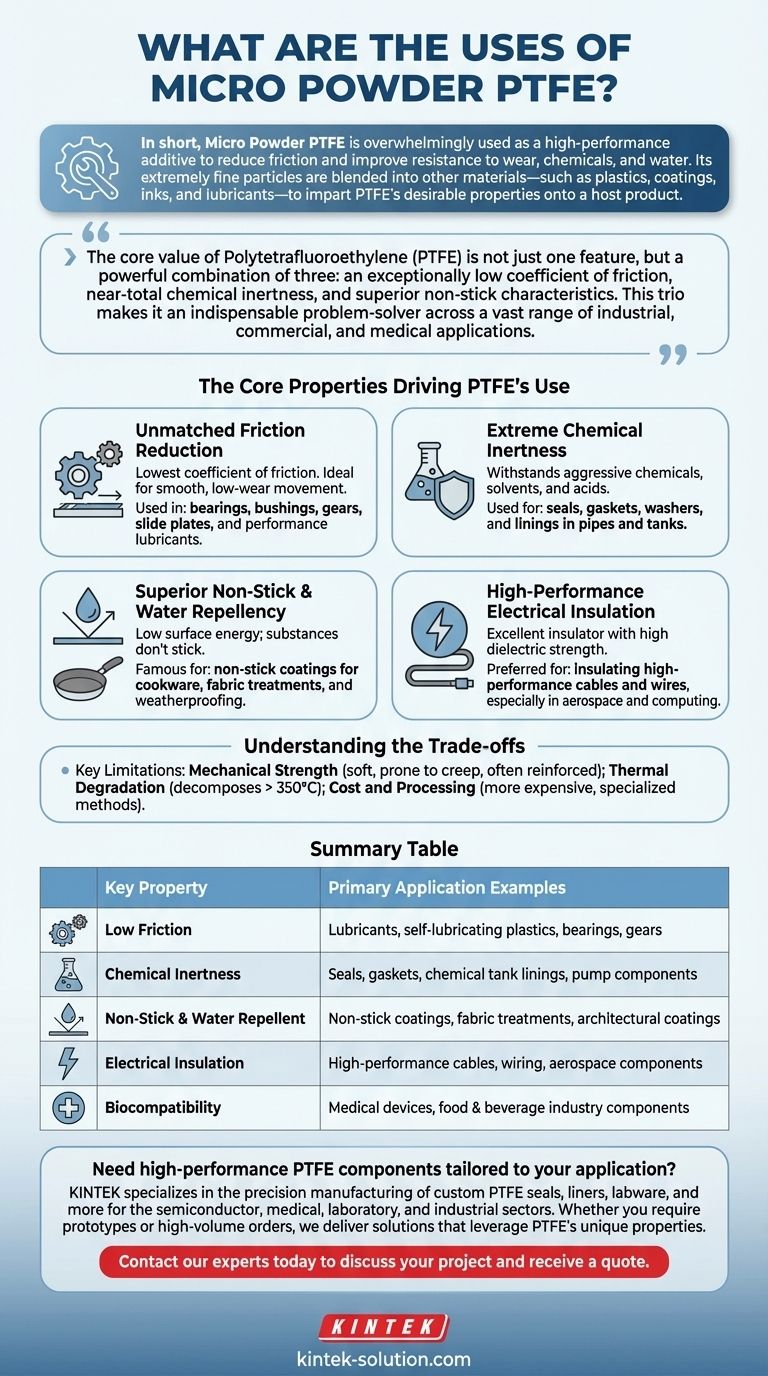
In short, Micro Powder PTFE is overwhelmingly used as a high-performance additive to reduce friction and improve resistance to wear, chemicals, and water. Its extremely fine particles are blended into other materials—such as plastics, coatings, inks, and lubricants—to impart PTFE's desirable properties onto a host product.
The core value of Polytetrafluoroethylene (PTFE) is not just one feature, but a powerful combination of three: an exceptionally low coefficient of friction, near-total chemical inertness, and superior non-stick characteristics. This trio makes it an indispensable problem-solver across a vast range of industrial, commercial, and medical applications.
The Core Properties Driving PTFE's Use
To understand where PTFE is used, you must first understand its fundamental strengths. Its applications are a direct result of its unique molecular structure.
Unmatched Friction Reduction
PTFE has one of the lowest coefficients of friction of any known solid material, often compared to wet ice on wet ice. This makes it an ideal choice for components where smooth, low-wear movement is critical.
This property is leveraged in bearings, bushings, gears, and slide plates for machinery. It is also a key additive in performance lubricants and greases.
Extreme Chemical Inertness
PTFE is highly unreactive and can withstand a wide range of aggressive chemicals, solvents, and acids without degrading. This makes it invaluable for harsh industrial environments.
You will find it used for seals, gaskets, and washers in pumps and valves, as well as for linings in pipes and chemical tanks to protect the underlying structure from corrosion.
Superior Non-Stick & Water Repellency
The surface energy of PTFE is extremely low, meaning other substances do not stick to it readily. This property, combined with its hydrophobia (water repellency), is famous in consumer and industrial settings.
The most common examples are non-stick coatings for cookware and stain-resistant treatments for fabrics and carpets. It is also used for weatherproofing outdoor signs and creating protective, self-cleaning coatings for architectural roofs.
High-Performance Electrical Insulation
PTFE is an excellent electrical insulator with high dielectric strength, meaning it can withstand high voltages without breaking down. It also maintains these properties over a wide range of frequencies and temperatures.
This makes it a preferred material for insulating high-performance cables and wires, especially in demanding aerospace and computing applications.
Biocompatibility and Purity
Because PTFE is so inert, it does not react with bodily tissues, making it safe for medical use. Its purity is also critical for sensitive applications.
This leads to its use in manufacturing medical devices like vascular grafts and various components used in the food and beverage industry where contamination is not an option.
Understanding the Trade-offs
While its properties are exceptional, PTFE is not a universal solution. An objective assessment requires acknowledging its limitations.
Mechanical Strength
PTFE is a relatively soft material. It can be prone to "creep" (deforming under sustained pressure) and has lower tensile strength compared to engineering plastics like nylon or PEEK. For this reason, it is often reinforced with fillers like glass fiber or carbon to improve its mechanical properties.
Thermal Degradation
PTFE has an excellent operational temperature range, but it has a distinct upper limit. When heated above approximately 350°C (662°F), it can begin to decompose and release potentially harmful fumes. This is a critical design consideration for any high-temperature application.
Cost and Processing
Compared to common commodity plastics, PTFE is more expensive. It also cannot be processed using conventional melt-processing techniques like injection molding, requiring specialized methods like sintering, which can add to manufacturing complexity.
Making the Right Choice for Your Goal
Your specific goal will determine how you leverage PTFE's unique characteristics.
- If your primary focus is reducing mechanical wear and friction: Your best applications are as an additive in lubricants or incorporated into self-lubricating plastics for bearings, gears, and seals.
- If your primary focus is handling corrosive chemicals: Use PTFE for gaskets, pump components, and as a protective lining for pipes and vessels.
- If your primary focus is creating a non-stick or repellent surface: The ideal use is in coatings for cookware, industrial molds, or as a treatment for performance textiles.
- If your primary focus is electrical insulation: Specify PTFE for critical wiring and cable jacketing where signal integrity and reliability are paramount.
Ultimately, PTFE's value lies in its ability to perform reliably where many other materials would quickly fail.
Summary Table:
| Key Property | Primary Application Examples |
|---|---|
| Low Friction | Lubricants, self-lubricating plastics, bearings, gears |
| Chemical Inertness | Seals, gaskets, chemical tank linings, pump components |
| Non-Stick & Water Repellent | Non-stick coatings, fabric treatments, architectural coatings |
| Electrical Insulation | High-performance cables, wiring, aerospace components |
| Biocompatibility | Medical devices, food & beverage industry components |
Need high-performance PTFE components tailored to your application?
KINTEK specializes in the precision manufacturing of custom PTFE seals, liners, labware, and more for the semiconductor, medical, laboratory, and industrial sectors. Whether you require prototypes or high-volume orders, we deliver solutions that leverage PTFE's unique properties to solve your toughest challenges in friction reduction, chemical resistance, and insulation.
Contact our experts today to discuss your project and receive a quote.
Visual Guide
Related Products
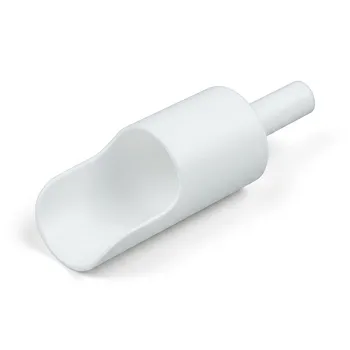
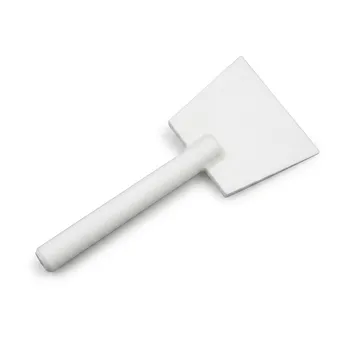
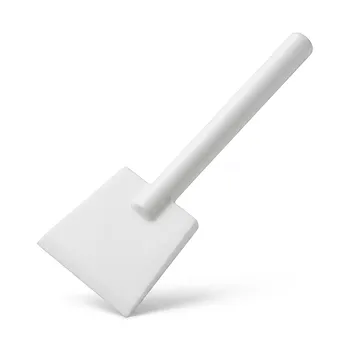
- Custom PTFE Pharmaceutical Sampling Scoop Low Leaching Cylindrical Chemical Powder Sampler Zero Contamination High Purity Laboratory Shovel
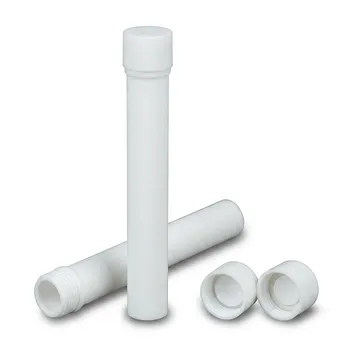
- High Purity PTFE Microwave Digestion Vessels for 44 Position Systems Trace Analysis Acid Digestion and Evaporation
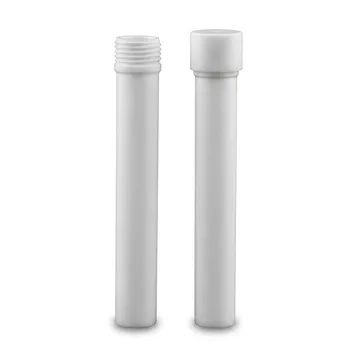
- Custom High Purity PTFE Microwave Digestion Vessels and Graphite Block Compatible Acid Evaporation Tanks for Trace Metal Analysis
- Custom PTFE Microwave Digestion Vessels for Demanding Applications
- High Purity PTFE Microwave Digestion Vessel Replacement for GT-400 Systems Acid Reflux and Sample Preparation
People Also Ask
- What factors should be considered when selecting a PTFE shovel for laboratory use? Ensure Chemical Inertness & Sample Integrity
- How does the durability of PTFE shovels compare to plastic shovels? Discover the Superior Choice for Harsh Conditions
- What are the advantages of PTFE shovels over metal shovels? Precision Handling for Sensitive Materials
- How does the ergonomic design of PTFE shovels benefit users? Reduce Strain and Boost Lab Efficiency
- What are some specific applications of PTFE shovels in the laboratory? Ensure Sample Purity and Safety