In your household, Polytetrafluoroethylene (PTFE) is most famously used as the non-stick coating on cookware like frying pans and baking trays. However, its applications extend far beyond the kitchen, often appearing as a critical but unseen component in your electronics, plumbing, and appliances due to its unique combination of properties.
While PTFE is best known for its visible role in non-stick cookware, its most widespread and critical household applications are often hidden, where it functions as a durable electrical insulator, a chemical-resistant seal, and a low-friction component inside everyday devices.

The Most Visible Application: The Kitchen
PTFE's unique surface properties made it a revolutionary material for home cooking. It is both hydrophobic (repels water) and oleophobic (repels oil), which is the key to its non-stick performance.
Non-Stick Cookware
The primary household use of PTFE is the slick, dark coating on pans, pots, and bakeware. This coating, often marketed under brand names like Teflon, prevents food from sticking, which simplifies both cooking and cleaning.
Other Kitchen Gadgets
The same non-stick principle is applied to other appliances where easy food release is essential. This includes the surfaces of waffle irons, electric griddles, and rice cooker bowls.
Hidden Uses in Home Electronics
PTFE is an excellent electrical insulator with high heat resistance, making it an ideal material for protecting sensitive electronic components. You will not see it, but it is likely working inside many of your devices.
Insulating Wires and Cables
Due to its exceptional dielectric properties, PTFE is used as an insulator for wiring. It is commonly found in computer and coaxial cables (like those for internet and TV) to ensure signal integrity and prevent interference.
Protecting Internal Components
Within computers and other electronics, PTFE can be used in internal connectors and as a coating for components that require protection from heat and corrosion.
The Unseen Workhorse: Appliances and Plumbing
PTFE’s ability to resist corrosion and reduce friction makes it a vital material for parts that seal, slide, or are exposed to chemicals.
Sealing Pipes and Taps
A very common household product is thread seal tape, also known as plumber's tape. This thin white tape is made of PTFE and is wrapped around the threads of pipes and fittings to create a watertight, corrosion-resistant seal.
Gaskets and Bearings in Appliances
Many home appliances contain small but critical PTFE components. It is used for gaskets, seals, and washers in machines like coffee makers, blenders, and washing machines to prevent leaks and withstand wear from moving parts.
Understanding the Trade-offs
While incredibly useful, it is important to understand the context and limitations of PTFE, especially regarding its most common application in cookware.
Concerns Over High Heat
The primary concern with PTFE-coated cookware involves overheating. At very high temperatures (generally above 500°F or 260°C), the coating can begin to break down and release fumes, which can be harmful if inhaled.
Durability and Surface Wear
Non-stick coatings are susceptible to scratching from metal utensils. Scratches can degrade the non-stick performance and may lead to the coating flaking over time.
The "Invisible" Component
When PTFE is used as an internal component like a gasket or an insulator, the user has no direct control over its maintenance. Its lifespan is tied directly to the lifespan of the appliance it is a part of.
Making the Right Choice for Your Goal
Understanding where PTFE is used helps you interact with everyday objects more effectively.
- If your primary focus is cooking: Recognize that PTFE coatings offer convenience, but require proper care, such as avoiding metal utensils and excessive heat, to maximize their lifespan and safety.
- If your primary focus is home DIY projects: You will most commonly encounter PTFE as thread seal tape, an essential tool for ensuring leak-proof plumbing connections.
- If your primary focus is general knowledge: Appreciate that some of the most important roles for PTFE are invisible, quietly ensuring the safety and reliability of your electronics and appliances.
Ultimately, PTFE is a versatile material whose unique properties allow it to solve many different problems around the modern home, from cooking an egg to connecting you to the internet.
Summary Table:
| Application Area | Common PTFE Uses | Key Property Utilized |
|---|---|---|
| Kitchen | Non-stick coating on pans, bakeware, waffle irons | Non-stick, hydrophobic, oleophobic |
| Electronics | Insulation for wires/cables, internal connectors | Excellent electrical insulator, heat resistant |
| Plumbing & Appliances | Thread seal tape (plumber's tape), gaskets, seals | Chemical resistance, creates watertight seals, low friction |
Need High-Performance PTFE Components?
As you've seen, PTFE's unique properties make it essential for demanding applications. KINTEK specializes in manufacturing precision PTFE components—including seals, liners, and custom labware—for the semiconductor, medical, laboratory, and industrial sectors. We combine precision production with the flexibility for custom fabrication, from prototypes to high-volume orders.
Let us provide the reliable PTFE solution your project requires. Contact our experts today to discuss your needs!
Visual Guide

Related Products
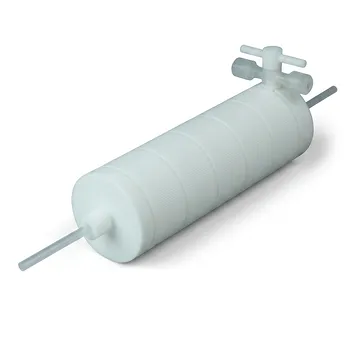
- Custom PTFE Filtration System Acid Resistant High Purity Semiconductor Grade Chemical Processing Filter
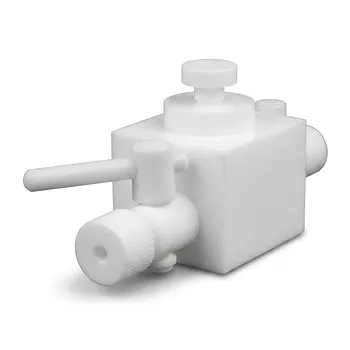
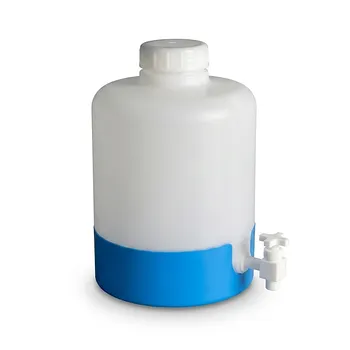
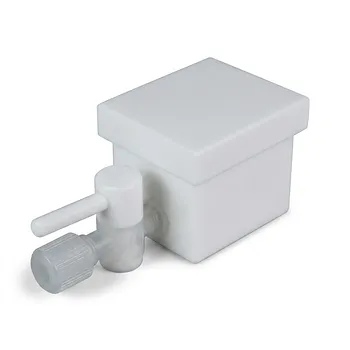
- High Corrosion Resistant PTFE Faucet Polytetrafluoroethylene Valve for Chemical Storage Drums and Fluid Transfer Systems Customizable Industrial Grade
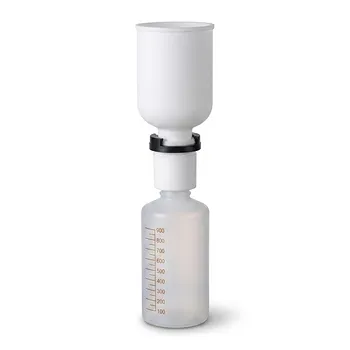
- PTFE PFA Vacuum Filtration System Corrosion Resistant Customizable Shatterproof Laboratory Device
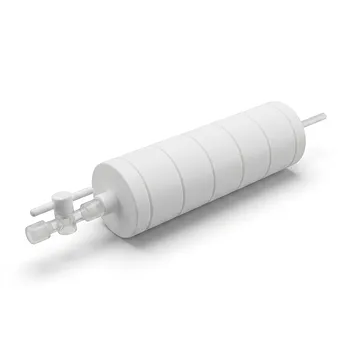
- PTFE Corrosion Resistant Filter with PFA Valve Connections and Integrated Sieve Plate
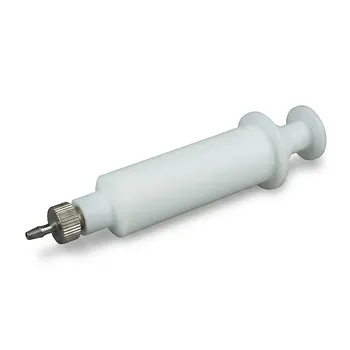
- High Temperature Chemical Resistant 50ml PTFE Syringe Customized Teflon Injector with Threaded Seal for Trace Analysis
People Also Ask
- What makes PTFE filtration systems advantageous for industrial and scientific use? Unmatched Chemical & Thermal Stability
- What sizes and pore options are available for PTFE filters? Choose the Right Filter for Your Application
- What steps are involved in selecting the proper PTFE filter? A 4-Step Guide to Optimal Filtration
- What temperature resistance do PTFE filters offer? Unmatched Thermal Stability from -200°C to +260°C
- How does the hydrophobicity of PTFE filters benefit their use? Ensure Uninterrupted Gas Flow and Solvent Filtration