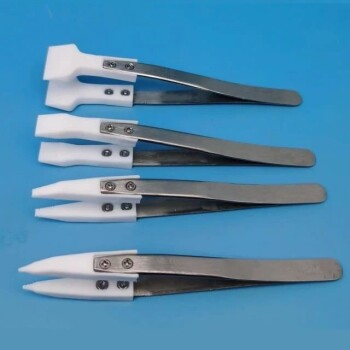
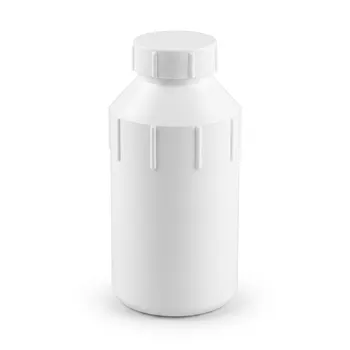
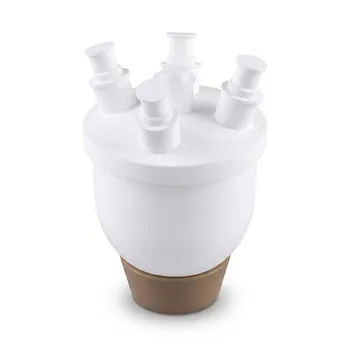
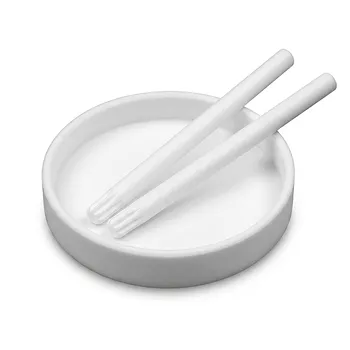
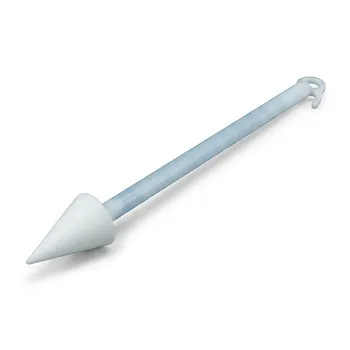
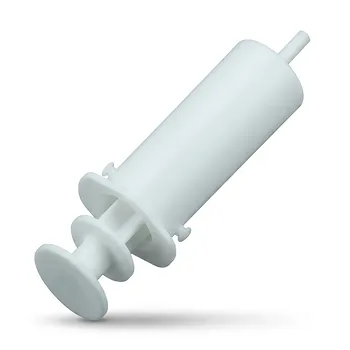
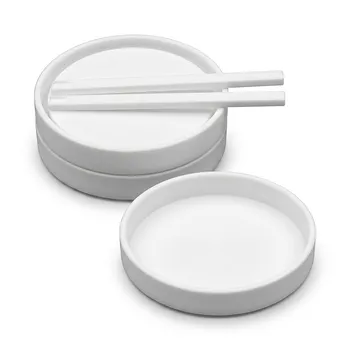
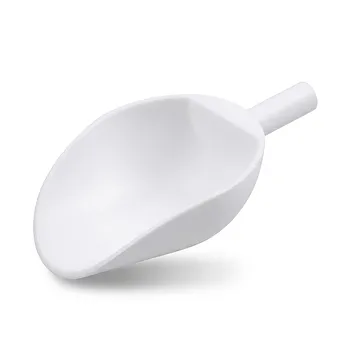
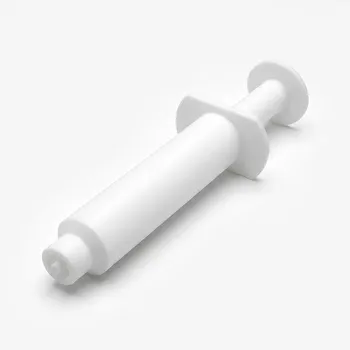
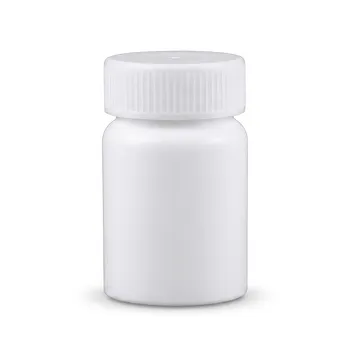
In short, Teflon is commonly used for manufacturing chemical-resistant pipework, creating low-friction mechanical parts, coating medical and food processing equipment, and lining laboratory appliances. Formally known as Polytetrafluoroethylene (PTFE), its unique characteristics make it a critical material in industries ranging from aerospace and automotive to chemical processing and electrical engineering.
The reason for Teflon's widespread application isn't a single feature, but its rare combination of properties. Its ability to simultaneously resist aggressive chemicals, reduce friction, and withstand extreme temperatures makes it a uniquely versatile problem-solver in engineering and manufacturing.
The Core Properties Driving Teflon's Versatility
To understand where Teflon is used, we must first understand why. Its applications are a direct result of its fundamental material characteristics.
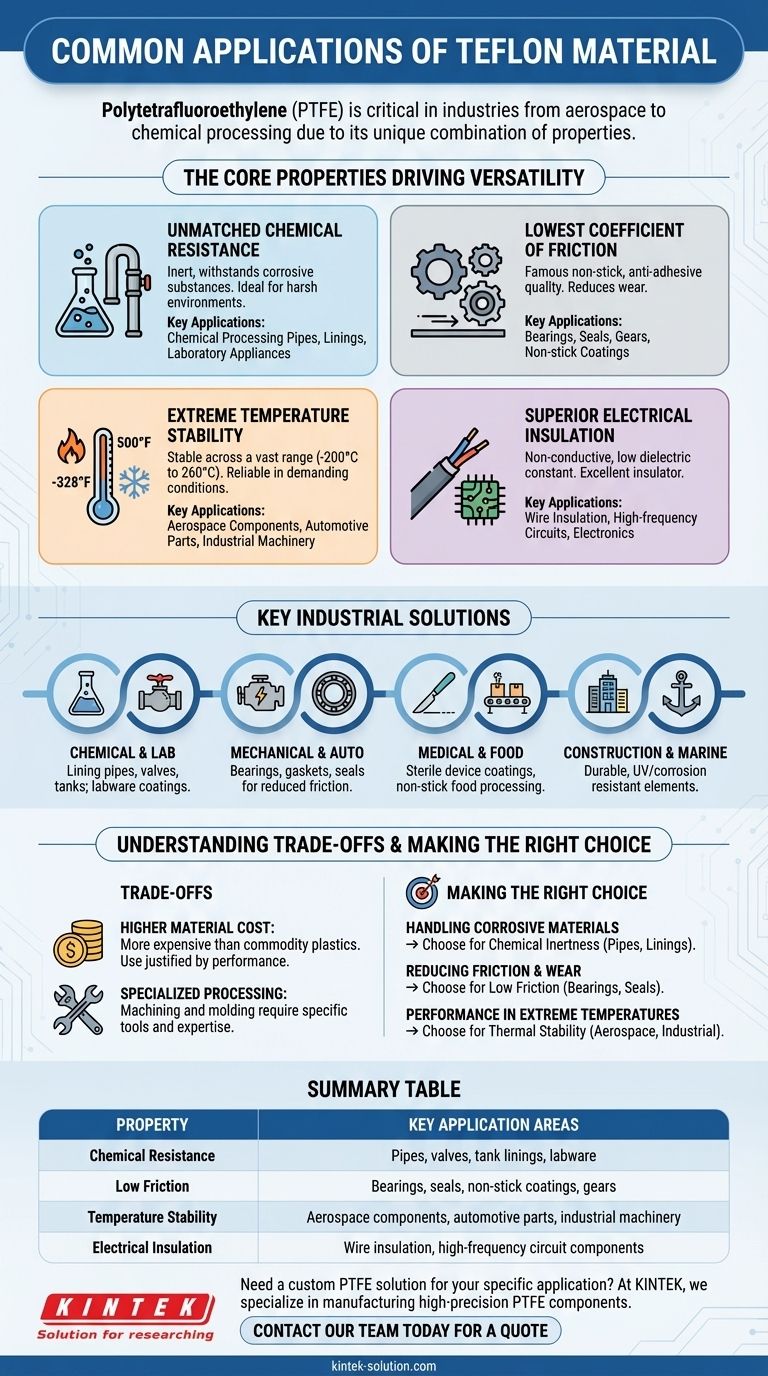
Unmatched Chemical Resistance
Teflon is exceptionally non-reactive and can withstand a wide range of corrosive substances. This chemical inertness makes it invaluable in harsh environments.
This property is why it is used for pipes, linings, and containers in the chemical processing industry.
The Lowest Coefficient of Friction
PTFE has one of the lowest coefficients of friction of any known solid material, giving it its famous non-stick or anti-adhesive quality.
This is the principle behind its use in anti-friction devices, gears, slide plates, and, most famously, non-stick cookware.
Extreme Temperature Stability
The material remains stable and functional across a vast temperature range, from approximately -328°F to 500°F (-200°C to 260°C).
This thermal durability allows it to be used in demanding aerospace, automotive, and industrial machinery applications where other plastics would fail.
Superior Electrical Insulation
Teflon is an excellent electrical insulator with a very low dielectric constant. It does not conduct electricity, making it ideal for electronics.
This is why it's used in electrical engineering for things like wire insulation and components in high-frequency circuits.
A Closer Look at Key Industrial Applications
These core properties translate directly into tangible solutions across various sectors.
In Chemical and Laboratory Settings
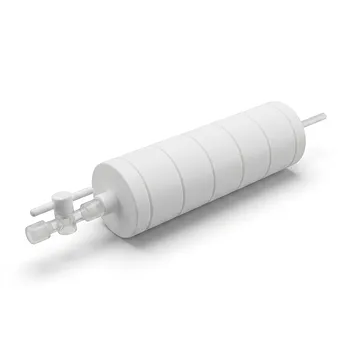
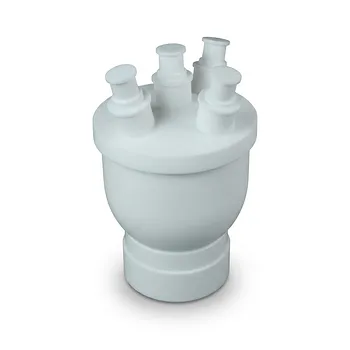
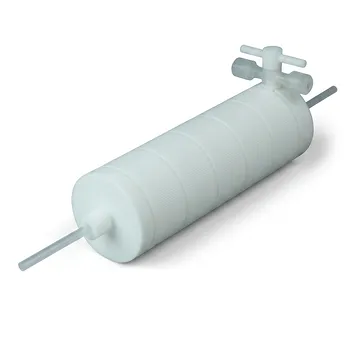
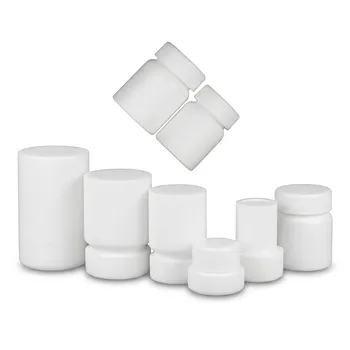
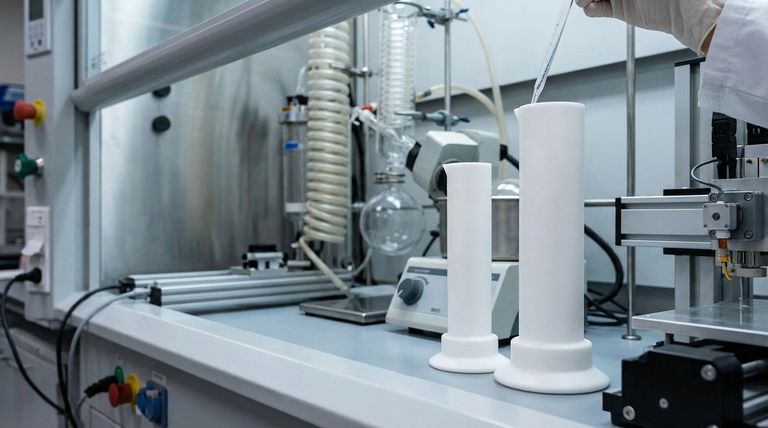
Due to its inertness, Teflon is the material of choice for lining pipes, valves, and tanks that handle highly corrosive acids or bases. Laboratory appliances are often coated with it to prevent contamination and ensure easy cleaning.
In Mechanical and Automotive Engineering
In machines, Teflon is used for bearings, gaskets, and seals. Its low-friction nature reduces wear and tear on moving parts, increasing efficiency and the lifespan of the equipment.
In the Medical and Food Processing Fields
The non-stick and non-reactive surface is critical for hygiene. Teflon is used to coat medical instruments and devices to ensure they are sterile and biocompatible, while in food processing, it ensures that products move smoothly without sticking to machinery.
In Construction and Marine Applications
Teflon's durability, UV resistance, and corrosion resistance make it suitable for architectural elements and marine equipment exposed to harsh weather and saltwater.
Understanding the Trade-offs
While incredibly useful, PTFE is not a universal solution. Its high-performance nature comes with specific considerations.
Higher Material Cost
As a high-performance fluoropolymer, Teflon is generally more expensive than commodity plastics like polyethylene or polypropylene. Its use must be justified by the specific performance demands of the application.
Specialized Processing
Machining and molding PTFE can be more complex than other polymers. Its characteristics require specific tools and expertise to form it into finished parts effectively.
Making the Right Choice for Your Goal
Selecting Teflon is about matching its unique strengths to your primary challenge.
- If your primary focus is handling corrosive materials: Teflon's chemical inertness makes it the ideal choice for pipes, valves, and container linings that must not degrade.
- If your primary focus is reducing friction and wear: Its extremely low coefficient of friction is perfect for creating durable bearings, seals, and non-stick surfaces.
- If your primary focus is performance in extreme temperatures: Its wide functional temperature range makes it a reliable choice for demanding aerospace, automotive, and industrial processes.
Understanding these core properties empowers you to identify where this high-performance material will provide the most effective and durable solution.
Summary Table:
| Property | Key Application Areas |
|---|---|
| Chemical Resistance | Pipes, valves, tank linings, labware |
| Low Friction | Bearings, seals, non-stick coatings, gears |
| Temperature Stability | Aerospace components, automotive parts, industrial machinery |
| Electrical Insulation | Wire insulation, high-frequency circuit components |
Need a custom PTFE solution for your specific application?
At KINTEK, we specialize in manufacturing high-precision PTFE components—including seals, liners, and custom labware—for the semiconductor, medical, laboratory, and industrial sectors. Whether you require prototypes or high-volume production, our expertise in custom fabrication ensures a part that perfectly leverages Teflon's unique properties to solve your engineering challenges.
Contact our team today to discuss your project requirements and get a quote.
Visual Guide
Related Products
- High Temperature Chemical Resistant 50ml PTFE Syringe Customized Teflon Injector with Threaded Seal for Trace Analysis
- PTFE Corrosion Resistant Filter with PFA Valve Connections and Integrated Sieve Plate
- Customizable Polytetrafluoroethylene PTFE Reactor and Corrosion Resistant Teflon Flask
- High Purity PTFE Filter with PFA Valve Connections and Integrated Sieve Plate for Corrosive Fluid Processing
- PTFE Small Reaction Bottle Corrosion Resistant Teflon Sample Dissolution Tank One Piece Molded Fluoropolymer Storage Container
People Also Ask
- In what medical devices is PTFE commonly used? Essential Components for Safety and Reliability
- Is PTFE approved for food contact applications? Ensuring Food Safety with Compliant PTFE
- Why is PTFE highly resistant to chemicals? Unmatched Inertness for Demanding Applications
- How chemically resistant is PTFE? Discover its near-total inertness to most chemicals
- How does PTFE's flexibility affect its performance? Unlock Durability and Sealing Power