In the chemical industry, PTFE rods are indispensable engineering materials. They are primarily machined into critical components like seals, valves, pumps, and fittings that must withstand highly corrosive environments. This material is also used to create protective linings for large-scale equipment such as reactors and tanks, fundamentally protecting them from chemical attack.
The core value of PTFE in chemical applications is not a single feature, but a powerful combination of near-universal chemical inertness, a wide operational temperature range, and an extremely low coefficient of friction. This unique trio makes it the default material for ensuring process integrity, equipment longevity, and operational safety in the most demanding chemical environments.

Why PTFE is the Material of Choice
The prevalence of Polytetrafluoroethylene (PTFE) in the chemical industry is a direct result of its unique molecular structure, which gives it a set of properties that are difficult to find in any other single polymer.
Unmatched Chemical Inertness
PTFE is renowned for its resistance to nearly all industrial chemicals, solvents, acids, and bases. This makes it the ideal material for components that are in direct contact with aggressive or corrosive media.
It effectively creates a non-reactive barrier, preventing both the degradation of the equipment and the contamination of the chemical product.
Wide Operational Temperature Range
The material maintains its integrity and properties across a vast spectrum of temperatures. This allows it to be used reliably in processes that involve extreme heat or cryogenic conditions, where lesser materials would become brittle or melt.
Exceptionally Low Friction
PTFE has one of the lowest coefficients of friction of any solid material, often compared to wet ice on wet ice. This self-lubricating property is critical for dynamic applications.
It significantly reduces wear and energy consumption in moving parts like pump shafts, valve stems, and bearings, extending their operational life.
Purity and Non-Contamination
Because PTFE is so inert and does not leach chemicals, it is a superior choice for applications where purity is paramount. This is especially vital in pharmaceutical, biotech, and food-grade chemical processing.
Key Applications for Machined PTFE Rods
PTFE rods serve as the raw stock material that is precisely machined to create a wide variety of essential parts for chemical processing equipment.
Fluid Handling and Control
Rods are machined into valve bodies, seats, balls, and pump impellers. These components are responsible for containing and directing the flow of highly corrosive fluids without degrading.
Sealing and Gasketing
The most common use is for seals, packings, and gaskets. PTFE's ability to create a tight seal, resist chemical attack, and handle high pressure prevents dangerous leaks in valves, pumps, and pipe flanges.
Linings for Process Vessels
While not machined from a rod in the traditional sense, PTFE is used to line the interior of large equipment like reactors, distillation towers, and storage tanks. This protects the expensive metal structure from its corrosive contents.
Bearings and Bushings
For agitators and other machinery with moving parts, PTFE's low-friction nature makes it perfect for bearings and bushings. These components allow for smooth operation with minimal wear, even without external lubrication.
Laboratory and Research Components
In research and development settings, PTFE rods are used to create custom labware like containers, funnels, and fixtures for use in chromatography (GC/HPLC) and chemical synthesis with highly reactive substances.
Understanding the Trade-offs
While incredibly versatile, PTFE is not a universal solution. An expert understanding of its limitations is crucial for successful application.
Relatively Low Mechanical Strength
PTFE is a relatively soft material. Under high mechanical loads, especially at elevated temperatures, it can be susceptible to "creep" or cold flow, where the material slowly deforms over time.
This must be accounted for in the design of high-pressure seals and structural components.
High Thermal Expansion
The material expands and contracts with temperature changes more than most metals. This high coefficient of thermal expansion must be considered when designing parts with tight tolerances that will operate across a range of temperatures.
Machinability Nuances
Although PTFE is easily machined, its softness and thermal properties require specialized techniques to hold precise dimensions. Improper machining can introduce internal stresses or result in a poor surface finish.
Making the Right Choice for Your Goal
To leverage PTFE effectively, you must align its unique properties with your primary operational goal.
- If your primary focus is process purity: Use PTFE for linings in vessels, labware, and any surface that directly contacts sensitive or high-purity chemicals.
- If your primary focus is equipment longevity: Machine PTFE rods into valve seats, pump components, and gaskets to protect critical machinery from aggressive media.
- If your primary focus is operational efficiency in moving parts: Utilize PTFE for low-friction bearings, bushings, and shaft seals to reduce wear and energy consumption in pumps and agitators.
Ultimately, PTFE's role is to create a stable, non-reactive barrier between aggressive chemical processes and the equipment that contains them, ensuring both safety and reliability.
Summary Table:
| Application | Key Benefit of PTFE |
|---|---|
| Seals, Gaskets, & Packings | Prevents leaks with chemical inertness and high-pressure resistance. |
| Valves, Pumps, & Fittings | Withstands direct contact with corrosive acids, bases, and solvents. |
| Linings for Reactors & Tanks | Protects expensive metal equipment from chemical attack. |
| Bearings & Bushings | Reduces wear and energy use with an extremely low coefficient of friction. |
| Laboratory Components | Ensures product purity for pharmaceutical and biotech applications. |
Ready to enhance your chemical process integrity and equipment longevity with precision-machined PTFE components?
KINTEK specializes in manufacturing high-quality PTFE rods, seals, liners, and custom labware for the semiconductor, medical, laboratory, and industrial sectors. We offer custom fabrication from prototypes to high-volume orders, ensuring your components meet the exact demands of your corrosive environment.
Contact KINTEK today to discuss your project requirements and get a quote.
Visual Guide

Related Products
- Customizable PTFE Rods for Advanced Industrial Applications
- Custom Graphite Filled PTFE Rods for Advanced Industrial Applications
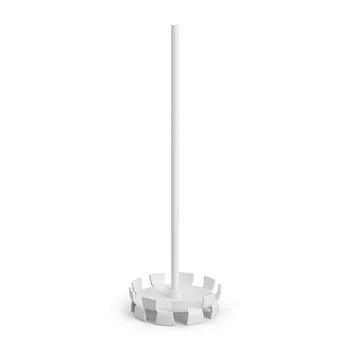
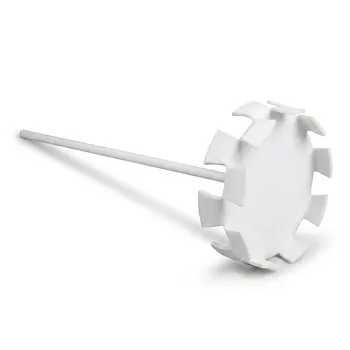
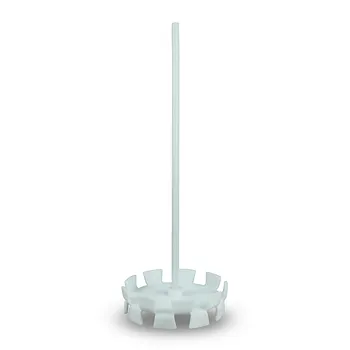
- Custom PTFE Dispersing Disc and Stirring Rod for Chemical Processing and Laboratory Mixing
- Custom PTFE Sleeves and Hollow Rods for Advanced Applications
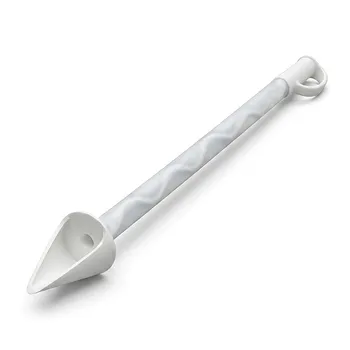
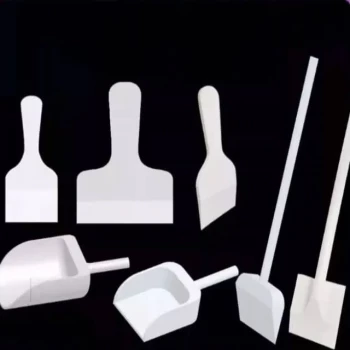
- Corrosion Resistant White PTFE Solid Sampler Manual Sampling Tool Customizable Length
People Also Ask
- How do PTFE rods contribute to energy efficiency in industrial applications? Reduce Friction & Power Consumption
- What are the different types of PTFE rods available based on manufacturing technology? Choose the Right Type for Your Project
- What are PTFE rods and how are they manufactured? A Guide to Their Properties and Production
- Can PTFE rods be machined into complex shapes? Yes, with precision engineering for custom parts.
- How are Teflon rods utilized in the chemical processing industry? For Seals, Liners & Valves That Resist Corrosion