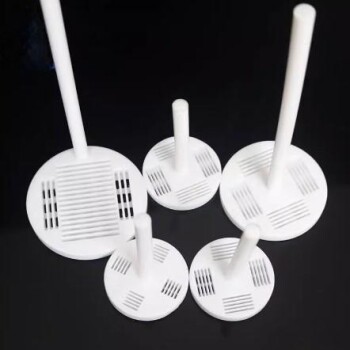
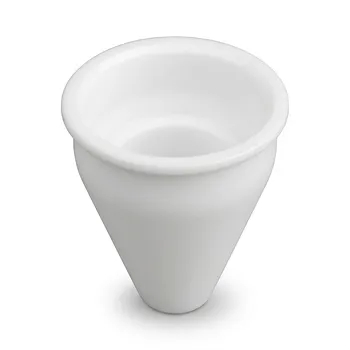
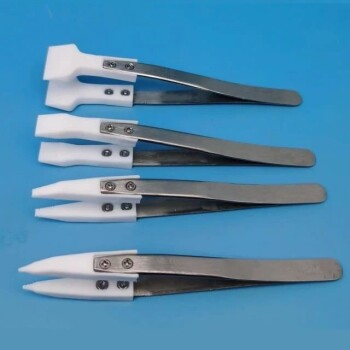
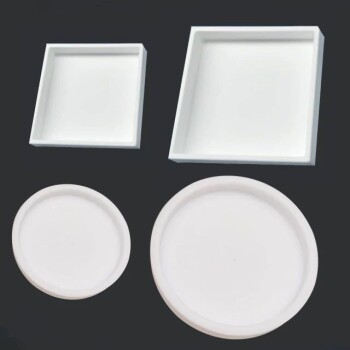
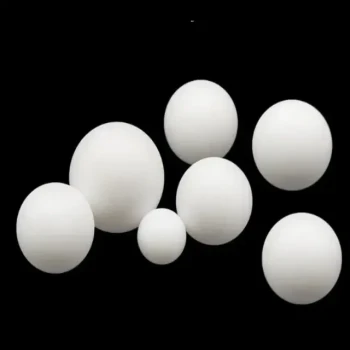
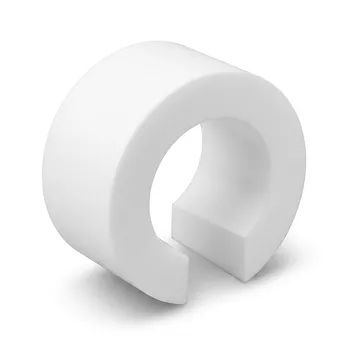
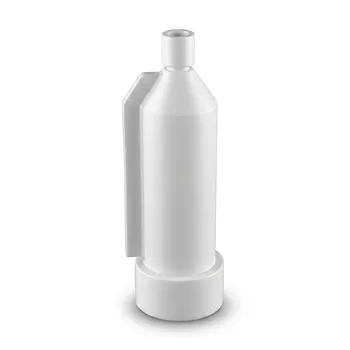
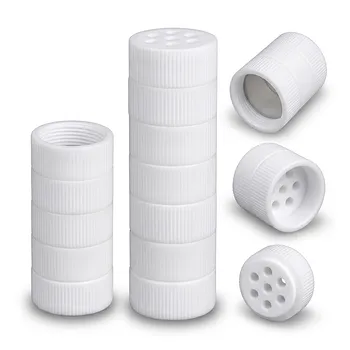
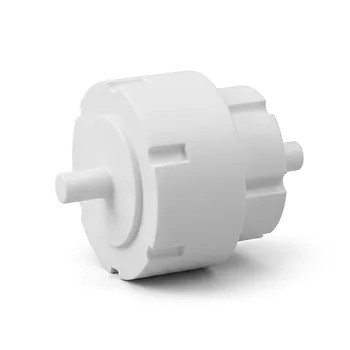
The high demand for machined PTFE parts stems from a rare combination of three core properties that are difficult to find in a single material: extreme chemical inertness, high thermal stability, and an exceptionally low coefficient of friction. This unique trifecta makes Polytetrafluoroethylene (PTFE), commonly known by the brand name Teflon, an indispensable material for critical components in demanding industries.
The core reason for PTFE's value is not just one superior feature, but its unique ability to solve multiple engineering challenges at once. It provides reliability in environments—involving aggressive chemicals, high heat, or constant friction—that would cause most other polymers to fail catastrophically.
The Three Pillars of PTFE Performance
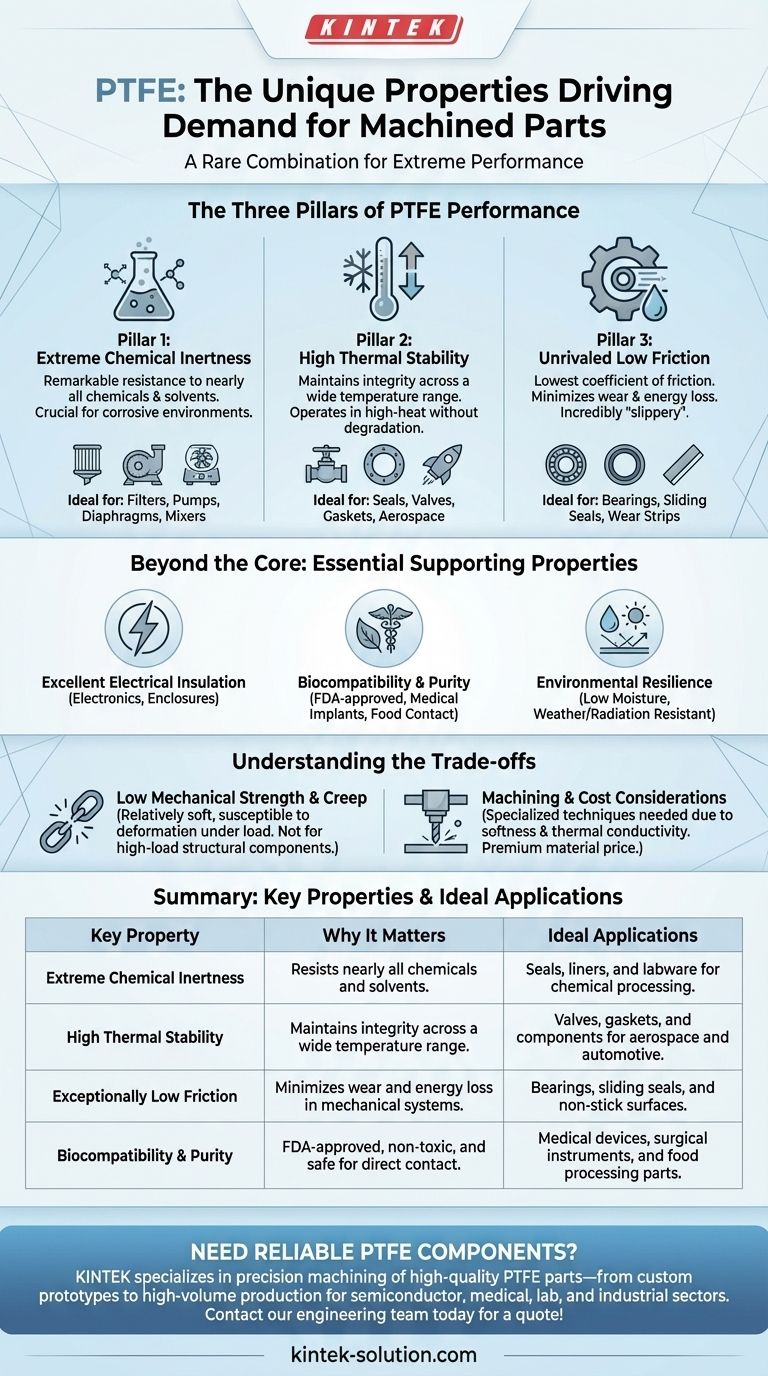
We can best understand PTFE's utility by examining its three defining characteristics. These properties are the primary drivers for its adoption in aerospace, medical, and chemical processing applications.
Pillar 1: Extreme Chemical Inertness
PTFE is a synthetic fluoropolymer, which gives it remarkable resistance to nearly all chemicals and solvents. This stability is crucial for components that are constantly exposed to corrosive substances.
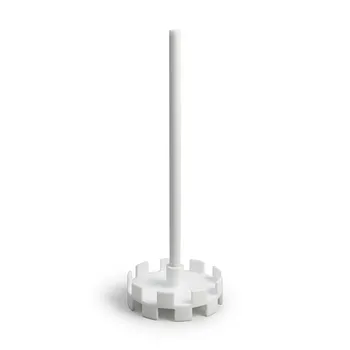
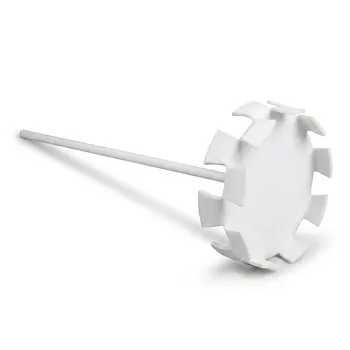
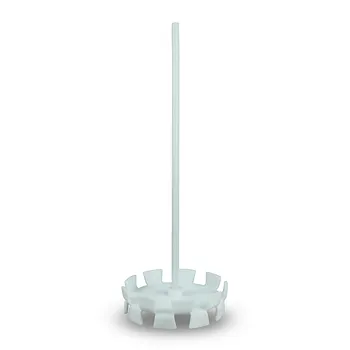
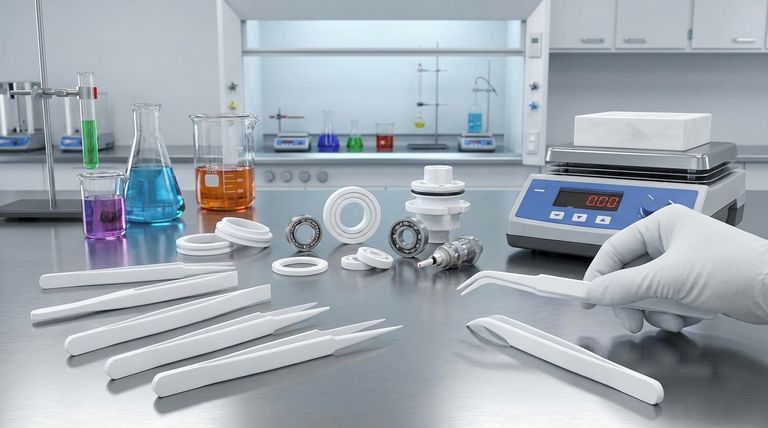
This property makes it the material of choice for parts in chemical processing and laboratory equipment, such as filters, pumps, diaphragms, centrifuge components, and mixing blades.
Pillar 2: High Thermal Stability
Machined PTFE parts maintain their integrity and performance across a wide range of temperatures. They can operate in high-heat environments without degrading, which is a critical requirement for many industrial processes.
This thermal resilience is why PTFE is frequently specified for seals, valves, and gaskets in the aerospace and automotive industries, where components must withstand significant temperature fluctuations.
Pillar 3: Unrivaled Low Friction
PTFE has one of the lowest coefficients of friction of any solid material, making it incredibly "slippery." This minimizes wear and energy loss in mechanical systems.
This characteristic is ideal for sliding applications, such as bearings, seals, and wear strips, where reducing friction is a primary engineering goal.
Beyond the Core: Essential Supporting Properties
While chemical, thermal, and frictional properties are its main strengths, several other attributes broaden PTFE's applicability into sensitive and specialized fields.
Excellent Electrical Insulation
PTFE is an outstanding electrical insulator. This makes it a valuable material for manufacturing electronic components, enclosures, and wiring insulation where preventing electrical conductivity is paramount.
Biocompatibility and Purity
Made from 100% Virgin PTFE, the material is non-toxic and biocompatible. It is widely approved by the FDA for direct contact with food and for use in medical applications.
This purity is why it is trusted for surgical instruments, prosthetic devices, and components in food and beverage processing equipment.
Environmental Resilience
PTFE exhibits very low moisture absorption, making it highly effective in wet or humid environments. It also shows excellent resistance to weathering and radiation, ensuring long-term durability in challenging conditions.
Understanding the Trade-offs
No material is perfect, and making an informed decision requires understanding PTFE's limitations. Its unique strengths come with inherent trade-offs in mechanical performance.
Low Mechanical Strength
Compared to engineering plastics like PEEK or metals, PTFE is a relatively soft material. It has lower tensile strength and is susceptible to "creep," or deformation under sustained load.
This makes it generally unsuitable for high-load structural components on its own. Its strength lies in sealing and surface applications, not load-bearing ones.
Machining Considerations
While machinable to high precision, PTFE's softness requires specialized techniques. It can deform under pressure if not clamped correctly, and its low thermal conductivity can make managing heat during CNC machining a challenge.
Relative Cost
While noted as affordable compared to some other high-performance polymers, PTFE is a premium material. It is more expensive than common commodity plastics like nylon or ABS, a cost that is justified by its unparalleled performance in extreme environments.
Making the Right Choice for Your Goal
Selecting PTFE should be a deliberate decision based on the primary challenge you need to solve.
- If your primary focus is aggressive chemical environments: PTFE is often the default choice for seals, linings, and fluid-handling components that must not corrode or react.
- If your primary focus is low-friction and wear resistance: It is an ideal solution for sliding bearings, non-stick surfaces, and dynamic seals where minimizing friction is key.
- If your primary focus is biocompatibility or food safety: Its FDA-approved, non-toxic nature makes it a safe and reliable option for medical implants and food processing parts.
- If your primary focus is high structural strength: You should consider other materials or investigate filled grades of PTFE, as its base form is not designed for high-load applications.
Ultimately, PTFE's value lies in its ability to provide consistent, reliable performance where other materials simply cannot survive.
Summary Table:
| Key Property | Why It Matters | Ideal Applications |
|---|---|---|
| Extreme Chemical Inertness | Resists nearly all chemicals and solvents. | Seals, liners, and labware for chemical processing. |
| High Thermal Stability | Maintains integrity across a wide temperature range. | Valves, gaskets, and components for aerospace and automotive. |
| Exceptionally Low Friction | Minimizes wear and energy loss in mechanical systems. | Bearings, sliding seals, and non-stick surfaces. |
| Biocompatibility & Purity | FDA-approved, non-toxic, and safe for direct contact. | Medical devices, surgical instruments, and food processing parts. |
Need reliable PTFE components that perform under extreme conditions?
KINTEK specializes in precision machining of high-quality PTFE parts—from custom prototypes to high-volume production. Our components are trusted in the semiconductor, medical, laboratory, and industrial sectors for their unmatched chemical resistance, thermal stability, and low friction.
Contact our engineering team today to discuss your specific requirements and get a quote for your project.
Visual Guide
Related Products
- Custom Machined Molded PTFE Teflon Parts Manufacturer for Laboratory ITO FTO Conductive Glass Cleaning Flower Basket
- Custom Machined PTFE Conical Sample Cell Corrosion Resistant Triangular Fluoropolymer Container for Trace Analysis
- Custom PTFE Parts Manufacturer for Teflon Parts and PTFE Tweezers
- Custom PTFE Parts Manufacturer for Teflon Containers and Components
- Corrosion Resistant PTFE Stirring Impeller and Customizable Polytetrafluoroethylene Dispersion Disk
People Also Ask
- What advantages do PTFE flower baskets provide for the photovoltaic and solar energy industry? Boost Cell Efficiency
- What is the primary function and application of a PTFE flower basket? Expert Guide to High-Purity Processing
- What mechanical limitations should be considered when using PTFE flower baskets? Optimize Your Substrate Handling
- What is the working principle of a PTFE flower basket? Optimize Fluid Flow and Purity for Chemical Immersion
- How do PTFE flower baskets compare to quartz or stainless-steel carriers? Maximize ROI with Low TCO Solutions