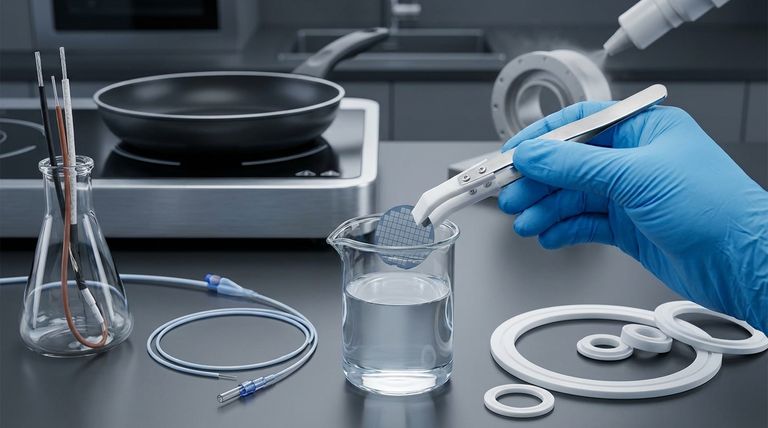
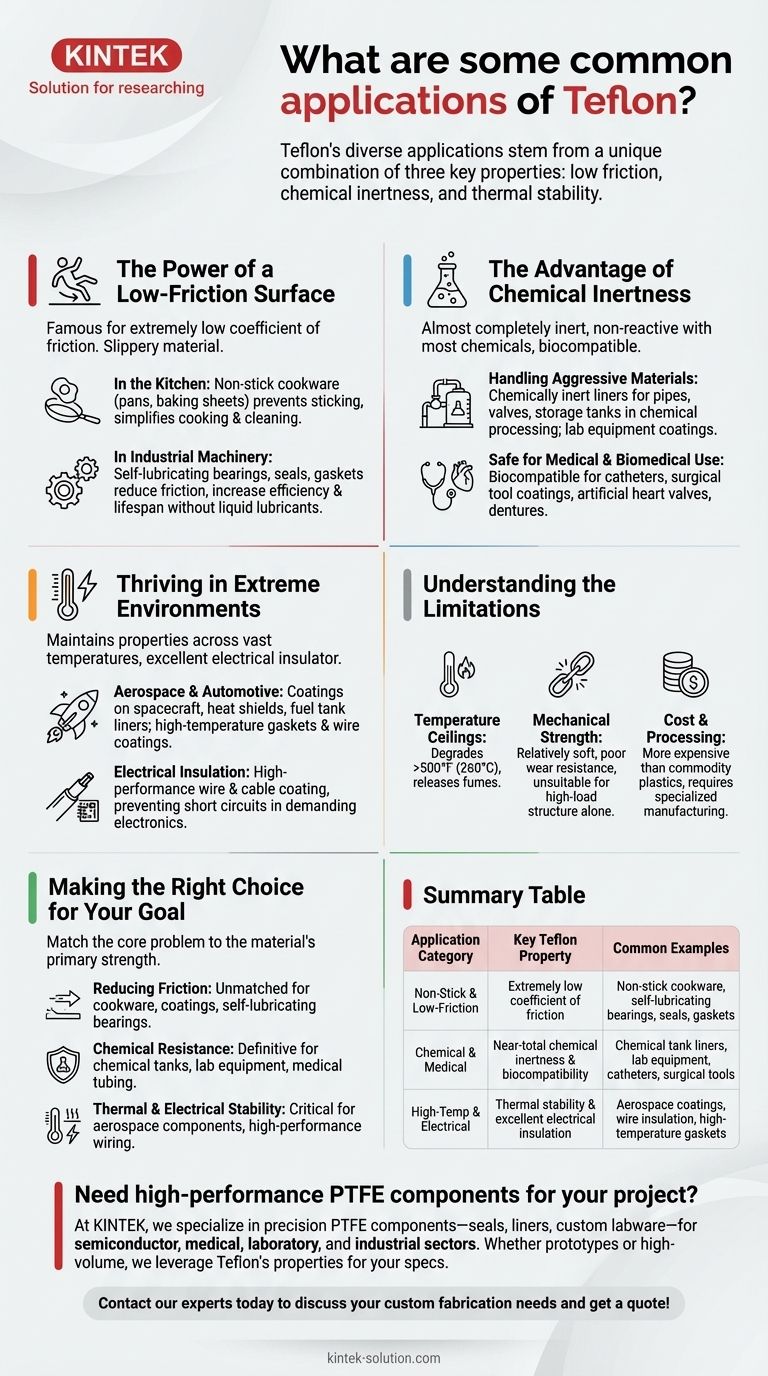
At its core, Teflon's common applications are incredibly diverse, ranging from the non-stick coating on your kitchen pan to critical components in spacecraft. Its most famous uses include non-stick cookware, industrial seals and gaskets, insulation for electrical wires, and coatings for medical devices like catheters.
The widespread use of Teflon (the brand name for Polytetrafluoroethylene or PTFE) is not due to a single feature, but its rare combination of three key properties: an extremely low-friction surface, near-total chemical inertness, and stability across a wide range of temperatures.
The Power of a Low-Friction Surface
Teflon is famous for being one of the most slippery materials known to science. This property, known as a low coefficient of friction, is the foundation for its most recognizable applications.
In the Kitchen
The most common application is non-stick cookware. A thin layer of Teflon on pans, skillets, and baking sheets prevents food from sticking, simplifying both cooking and cleaning.
In Industrial Machinery
In manufacturing and engineering, this same property is used to create self-lubricating bearings, seals, and gaskets. These components reduce friction between moving parts, increasing efficiency and component lifespan without the need for liquid lubricants.
The Advantage of Chemical Inertness
Teflon is almost completely inert, meaning it does not react with the vast majority of chemicals. This makes it an invaluable material for handling and storing corrosive substances.
Handling Aggressive Materials
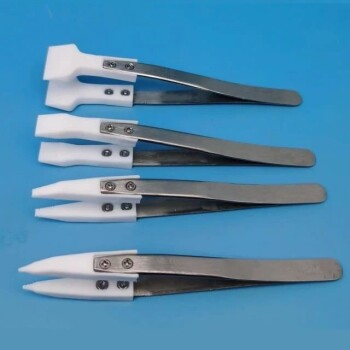
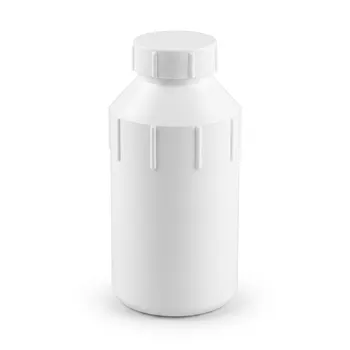
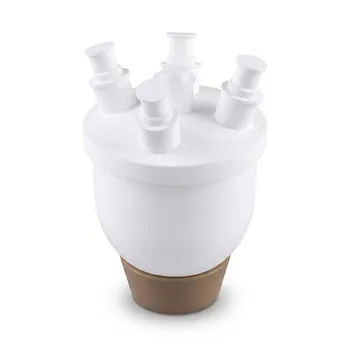
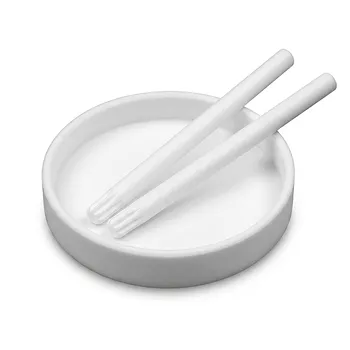
It is used to create chemically inert liners for pipes, valves, and storage tanks in chemical processing plants. Laboratory equipment is also frequently coated with Teflon to prevent corrosion and sample contamination.
Safe for Medical and Biomedical Use
This non-reactive nature makes Teflon highly biocompatible. It is trusted for medical products like catheters, surgical tool coatings, and even permanent implants such as artificial heart valves and dentures.
Thriving in Extreme Environments
Teflon maintains its structural integrity and properties across a vast temperature range, from cryogenic lows to high heat, and it is an exceptional electrical insulator.
Aerospace and Automotive Applications
In the aerospace industry, Teflon is used for coatings on spacecraft, heat shields, and fuel tank liners due to its ability to withstand extreme temperatures and chemical exposure. The automotive sector uses it for high-temperature gaskets and wire coatings.
Electrical Insulation
As an excellent electrical insulator, Teflon is used to coat high-performance wires and cables. Its resistance to heat and electricity prevents short circuits and ensures signal integrity in demanding electronics.
Understanding the Limitations
While incredibly versatile, Teflon is not the ideal solution for every problem. Understanding its trade-offs is crucial for proper application.
Temperature Ceilings
Although heat-resistant, Teflon begins to degrade at very high temperatures (above 500°F or 260°C), which can release fumes. This is well above normal cooking temperatures but is a critical consideration in industrial design.
Mechanical Strength
Compared to metals or other engineering plastics, Teflon is relatively soft and has poor wear resistance against abrasion. It is not suitable for high-load structural applications on its own.
Cost and Processing
Teflon is more expensive than many commodity plastics and can require specialized techniques for manufacturing and application, which can increase the cost of the final product.
Making the Right Choice for Your Goal
To select the right material, you must match the core problem to the material's primary strength. Teflon's versatility comes from having multiple strengths.
- If your primary focus is reducing friction: Teflon's non-stick surface is unmatched for cookware, industrial coatings, and self-lubricating bearings.
- If your primary focus is chemical resistance: Its inertness makes it the definitive choice for lining chemical tanks, laboratory equipment, and medical tubing.
- If your primary focus is thermal and electrical stability: Its performance in extreme temperatures and as an insulator is critical for aerospace components and high-performance wiring.
Ultimately, Teflon's value lies in its ability to solve problems where friction, chemicals, or temperature would cause other materials to fail.
Summary Table:
| Application Category | Key Teflon Property | Common Examples |
|---|---|---|
| Non-Stick & Low-Friction | Extremely low coefficient of friction | Non-stick cookware, self-lubricating bearings, seals, and gaskets |
| Chemical & Medical | Near-total chemical inertness & biocompatibility | Chemical tank liners, lab equipment, catheters, surgical tools |
| High-Temp & Electrical | Thermal stability & excellent electrical insulation | Aerospace coatings, wire insulation, high-temperature gaskets |
Need high-performance PTFE components for your project?
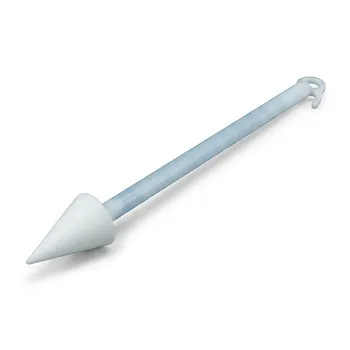
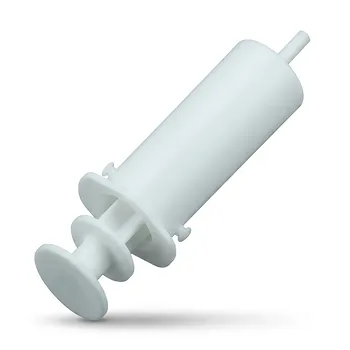
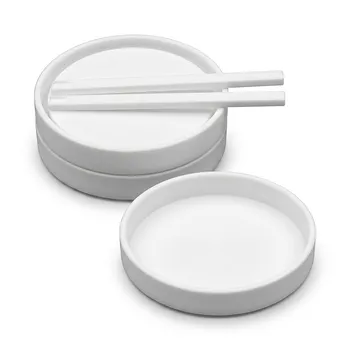
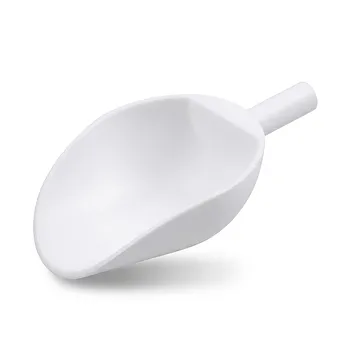
At KINTEK, we specialize in manufacturing precision PTFE components—including seals, liners, and custom labware—for the semiconductor, medical, laboratory, and industrial sectors. Whether you require prototypes or high-volume orders, our expertise ensures a solution that leverages Teflon's unique properties to meet your exact specifications for chemical resistance, low friction, and thermal stability.
Contact our experts today to discuss your custom fabrication needs and get a quote!
Visual Guide
Related Products
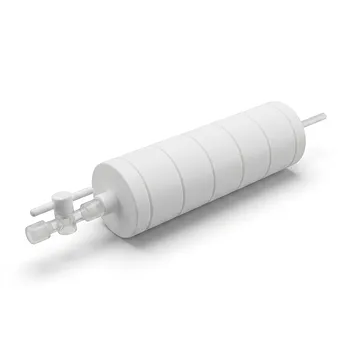
- High Temperature Chemical Resistant 50ml PTFE Syringe Customized Teflon Injector with Threaded Seal for Trace Analysis
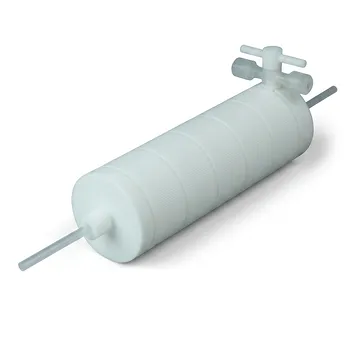
- PTFE Corrosion Resistant Filter with PFA Valve Connections and Integrated Sieve Plate
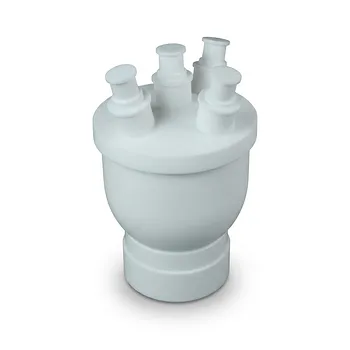
- Customizable Polytetrafluoroethylene PTFE Reactor and Corrosion Resistant Teflon Flask
- High Purity PTFE Filter with PFA Valve Connections and Integrated Sieve Plate for Corrosive Fluid Processing
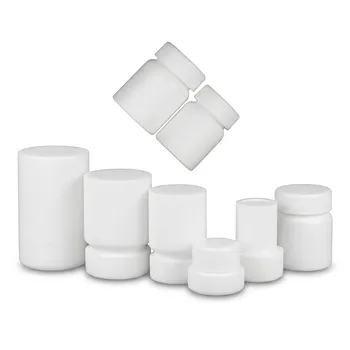
- PTFE Small Reaction Bottle Corrosion Resistant Teflon Sample Dissolution Tank One Piece Molded Fluoropolymer Storage Container
People Also Ask
- In what medical devices is PTFE commonly used? Essential Components for Safety and Reliability
- Is PTFE approved for food contact applications? Ensuring Food Safety with Compliant PTFE
- How does PTFE's flexibility affect its performance? Unlock Durability and Sealing Power
- What is notable about the coefficient of friction of PTFE? Achieve Unmatched Low-Friction Performance
- Why is PTFE classified as non-melt-processible?