At its core, Polytetrafluoroethylene (PTFE) extruded rod is a high-performance raw material used to machine critical components for food processing machinery. Its primary applications are parts that demand exceptional non-stick properties, chemical resistance, and food safety, such as guides, seals, valves, and rollers. These components ensure that food products move smoothly through production lines without adhering to surfaces, which improves hygiene and operational efficiency.
The true value of PTFE in food processing isn't just one feature, but its unique combination of being chemically inert, temperature resistant, and naturally non-stick, all while being FDA-approved for direct food contact. This makes it an essential problem-solver for creating hygienic and low-maintenance processing environments.

From Raw Material to Critical Component
PTFE extruded rods are seldom used in their raw form. Instead, they serve as the stock material that is precisely machined into a variety of custom parts, each leveraging PTFE's unique properties to solve a specific problem within the food production line.
Machinery Guides, Scrapers, and Rollers
Components like guides and rollers are essential for moving food products along a conveyor system. Using parts machined from PTFE prevents sticky substances like dough, confectionery, or meats from adhering to the machinery. This reduces product waste and minimizes downtime required for cleaning.
Valves, Seals, and Packings
The food industry often handles ingredients that are acidic (like citrus or vinegar) or alkaline. PTFE's chemical inertness makes it the ideal material for valves and seals that come into contact with these corrosive substances, preventing both contamination of the food product and degradation of the equipment itself.
Bushings and Bearings
In machinery where moving parts are in close proximity to food, traditional lubricants can be a source of contamination. PTFE components offer a self-lubricating, low-friction surface, allowing for smooth operation without the need for external grease or oil, thereby ensuring a cleaner, safer process.
The Fundamental Properties Driving Adoption
The widespread use of PTFE is not accidental. It is a direct result of a specific set of material characteristics that are almost perfectly suited to the demands of modern food and beverage processing.
Unmatched Non-Stick Surface
PTFE has one of the lowest coefficients of friction of any solid material. This non-stick quality is its most well-known attribute, ensuring the easy release of food products. This directly translates to higher product quality, less waste, and significantly faster and easier cleaning cycles.
Superior Chemical Inertness
PTFE is virtually non-reactive to the vast majority of chemicals. This means it will not corrode or break down when exposed to aggressive cleaning agents or acidic food ingredients. This stability protects the integrity of the food product by preventing leaching or contamination.
Wide Temperature Tolerance
Food processing can involve extreme temperatures, from flash freezing to high-heat baking and sterilization. PTFE maintains its stability and performance across a very wide temperature range, ensuring components do not fail or degrade under typical processing conditions.
FDA-Compliant and Food Safe
Crucially, virgin PTFE is approved by the FDA for direct contact with food. This is a non-negotiable requirement for any material used in food processing equipment, making it a trusted and reliable choice for engineers and plant managers.
Understanding the Trade-offs and Limitations
While PTFE is an exceptional material, no single solution is perfect for every scenario. Acknowledging its limitations is key to using it effectively.
Lower Mechanical Strength
Compared to metals or other engineering plastics, PTFE is a relatively soft material. It is not suitable for high-load, structural applications. Its use is focused on surface-contact and sealing applications where its other properties are paramount.
High Thermal Expansion
PTFE expands and contracts with temperature changes more than most other materials. Engineers must account for this high coefficient of thermal expansion when designing parts with tight tolerances to prevent binding or failure during operation.
Cost Consideration
PTFE is a premium performance plastic, and its initial material cost can be higher than that of other plastics or even some metals. However, this cost is often justified by reduced maintenance, less downtime for cleaning, and longer component life, leading to a lower total cost of ownership.
Making the Right Choice for Your Application
Selecting the right material is about matching its properties to your most critical operational goals. PTFE provides a distinct advantage for several key priorities.
- If your primary focus is hygiene and reducing cleaning time: PTFE is the ideal choice due to its non-porous, non-stick surface that prevents buildup and simplifies sanitation.
- If your primary focus is handling aggressive or sensitive ingredients: The chemical inertness of PTFE ensures there is no material degradation or product contamination, even with highly acidic or alkaline foods.
- If your primary focus is increasing operational efficiency: PTFE's low-friction and durable properties lead to less product waste, reduced maintenance, and greater uptime for your processing lines.
Ultimately, leveraging PTFE components is a strategic decision to build a more resilient, efficient, and sanitary food processing operation.
Summary Table:
| Key Application | Primary Benefit of PTFE Component |
|---|---|
| Guides, Scrapers, Rollers | Prevents product adhesion, reduces waste, simplifies cleaning |
| Valves, Seals, Packings | Resists corrosive ingredients, prevents contamination |
| Bushings, Bearings | Self-lubricating, eliminates need for contaminating grease/oil |
Ready to enhance the hygiene and efficiency of your food processing line?
KINTEK specializes in precision machining of high-performance PTFE components—from custom prototypes to high-volume orders. Our FDA-compliant PTFE seals, guides, valves, and custom parts are engineered to solve your toughest challenges with non-stick surfaces, chemical resistance, and operational reliability.
Contact our experts today to discuss how our PTFE solutions can reduce your downtime and improve product safety.
Visual Guide

Related Products
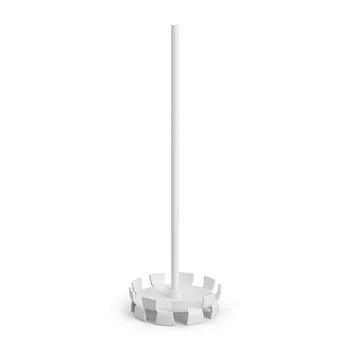
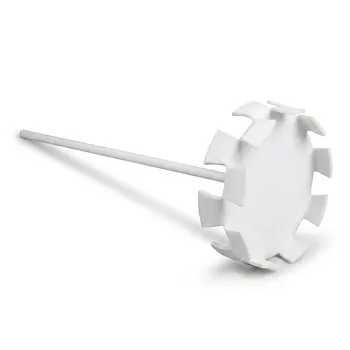
- Custom PTFE Dispersing Disc and Stirring Rod for Chemical Processing and Laboratory Mixing
- Customizable PTFE Rods for Advanced Industrial Applications
- Custom Graphite Filled PTFE Rods for Advanced Industrial Applications
- Custom PTFE Sleeves and Hollow Rods for Advanced Applications
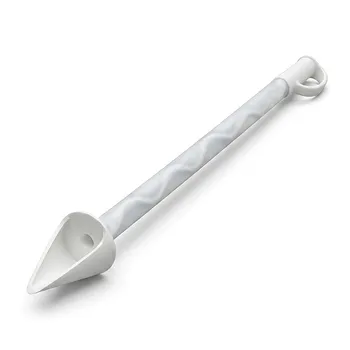
- Corrosion Resistant White PTFE Solid Sampler Manual Sampling Tool Customizable Length
People Also Ask
- How do PTFE rods contribute to energy efficiency in industrial applications? Reduce Friction & Power Consumption
- What are PTFE rods and how are they manufactured? A Guide to Their Properties and Production
- What are the different types of PTFE rods available based on manufacturing technology? Choose the Right Type for Your Project
- How are PTFE rods utilized in electronic and electrical applications? Unlock Superior Performance & Reliability
- How are Teflon rods applied in the automotive and aerospace industries? Solve Friction, Heat, and Chemical Challenges