The Psychology of a Perfect Container
In a high-stakes laboratory or a semiconductor fab, a container is never just a container. It's a silent partner in discovery and production. A single leached ion or a microscopic fissure can invalidate months of research or ruin a multi-million dollar batch of wafers.
The choice of material, therefore, isn't a simple technical decision. It's an act of risk management. We don't search for a material that is "good enough." We search for a material whose behavior is so predictable and reliable that we can build entire systems of trust upon it.
This is the world where Polytetrafluoroethylene (PTFE) operates. It's not just a plastic; it's a commitment to inertness.
A Molecular Fortress by Design
PTFE's exceptional performance isn't magic. It's the direct result of an elegantly simple and incredibly robust molecular architecture.
The Carbon-Fluorine Bond: Nature's Armor
Imagine a long chain of carbon atoms. Now, imagine every single one of those atoms is completely shielded by a perimeter of larger fluorine atoms. This forms the carbon-fluorine (C-F) bond, one of the strongest single bonds in organic chemistry.
This bond is a fortress. It requires an immense amount of energy to break, effectively creating a molecular shield. Aggressive chemicals that would tear apart other polymers simply have no foothold, no weak point to initiate an attack.
A Surface of Engineered Indifference
This molecular stability creates a surface that is profoundly non-reactive. Chemicals can't "stick" to it, which is why we know it as the coating on non-stick pans.
But in a scientific setting, this property is far more critical. It means the PTFE container will not give anything to—or take anything from—the substance it holds. No leached plasticizers, no ionic contamination. The sample's purity is absolute.
Where Trust is Forged: Scenarios of Unyielding Performance
When we say PTFE is resistant, we mean it shows no signs of degradation, swelling, or chemical attack across a vast spectrum of hostile environments.
| Chemical Category | Performance Under Exposure | Critical Application Example |
|---|---|---|
| Strong Acids (Sulfuric, Nitric, Hydrofluoric) | Excellent - No degradation | Semiconductor wafer etching |
| Strong Bases (Sodium Hydroxide) | Excellent - No degradation | Industrial chemical processing |
| Organic Solvents (Ketones, Alcohols, Esters) | Excellent - No swelling or attack | High-purity sample storage in labs |
| Reactive Agents (Chlorine Dioxide, Halogens) | Excellent - Safe containment | Medical equipment sterilization |
In industries where process control is everything, this level of reliability is non-negotiable. For semiconductor and medical device manufacturing, sourcing components like seals, liners, and labware from a specialist like KINTEK ensures that this material integrity is built-in from the prototype stage to high-volume production. It transforms a raw material's promise into an engineered certainty.
Understanding the Boundaries of Trust
No material is perfect, but a trustworthy material is one whose limitations are precisely known. The exceptions for PTFE are so rare and require such extreme conditions that they reinforce its reliability for virtually all other applications.
PTFE's integrity can be compromised by two main classes of substances, almost always under intense heat and pressure:
- Molten Alkali Metals: At high temperatures, liquid sodium or potassium can react with and defluorinate the polymer.
- High-Energy Fluorinating Agents: Elemental fluorine gas (F₂) and compounds like chlorine trifluoride (ClF₃) can attack the very bonds from which PTFE is made.
These are not everyday laboratory conditions. They are highly specialized industrial processes. Knowing these boundaries allows engineers and scientists to deploy PTFE with near-total confidence in every other scenario.
The Right Material is a System-Level Decision
Choosing a PTFE bottle, seal, or liner is not just about containing a chemical. It's about preserving the integrity of an entire process. It's a decision to eliminate variables in a world where precision is paramount.
The unbreakable carbon-fluorine bond provides a foundation of chemical stability that is nearly absolute. By engineering this material into high-precision components, we build systems that are not only safer but also more reliable and predictable. It’s the confidence you need when your work allows for no margin of error.
When your application demands uncompromising purity and containment, ensure every component meets that standard. Contact Our Experts
Visual Guide

Related Products
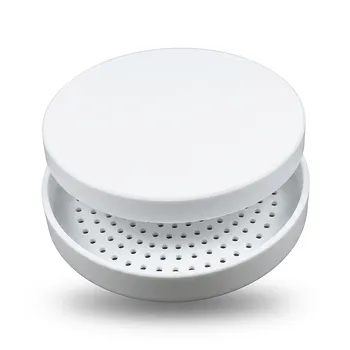
- Custom PTFE Filtration System Acid Resistant High Purity Semiconductor Grade Chemical Processing Filter
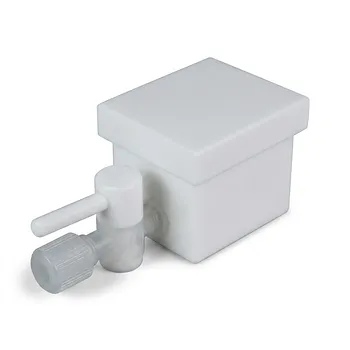
- High Corrosion Resistant PTFE Faucet Polytetrafluoroethylene Valve for Chemical Storage Drums and Fluid Transfer Systems Customizable Industrial Grade
- PTFE PFA Vacuum Filtration System Corrosion Resistant Customizable Shatterproof Laboratory Device
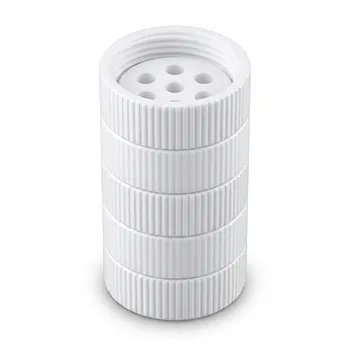
- PTFE Corrosion Resistant Filter with PFA Valve Connections and Integrated Sieve Plate
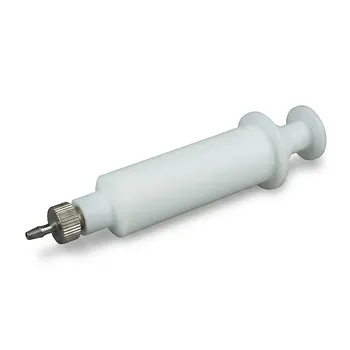
- High Temperature Chemical Resistant 50ml PTFE Syringe Customized Teflon Injector with Threaded Seal for Trace Analysis
Related Articles
- The Physics of a Perfect Fit: How PTFE Eliminates an Athlete's Hidden Distractions
- The Invisible Threat: Why Material Inertness Defines Success in Ultra-Pure Systems
- The Engineer's Dilemma: Navigating the Trade-offs Between PTFE and Its Alternatives
- The Hidden Risk of PTFE: Why Your Go-To Material Is Now a Liability—And What to Do About It
- The Unseen Workhorse: Why PTFE Is the Default Choice for Impossible Problems