The Allure of the Perfect Solution
Imagine a chemical processing plant. A critical line carrying hydrochloric acid needs a new valve. The engineering team, focused on preventing catastrophic corrosion, selects a PTFE-lined ball valve. It seems perfect: chemically inert, reliable, and cost-effective.
Six months later, the system fails. Not from corrosion, but from a persistent, costly leak. The valve, designed for perfect sealing, has been destroyed from the inside.
This isn't a failure of the valve itself. It's a failure in understanding its nature. We are psychologically drawn to dominant features—in this case, "total chemical resistance"—and we subconsciously downplay the operational context. The PTFE-lined valve is a specialist, and using it as a generalist is a recipe for failure.
The Promise of an Impermeable Shield
The fundamental principle of a PTFE-lined valve is elegant in its simplicity: create a perfect barrier. Isolate the aggressive process media from the structural metal of the valve body.
The Physics of Inertness
Every surface the fluid touches—the valve body, the ball, the stem—is encapsulated in a seamless layer of Polytetrafluoroethylene (PTFE). The corrosive acid or high-purity solvent never makes contact with the cast iron or stainless steel.
This design doesn't just resist corrosion; it eliminates the possibility entirely. It’s a foundational strategy for handling the most aggressive chemicals safely.
The Silent Benefit of a Non-Stick Surface
PTFE's famous non-stick property is more than a convenience; it's a critical performance feature. In pharmaceutical or semiconductor applications, it prevents media buildup, ensuring process purity. In any system, it guarantees a smooth flow path, minimizing pressure drop and maintaining system efficiency.
The Virtuous Cycle of Low Friction
Beyond chemical inertness, the material properties of PTFE create a cascade of engineering and operational advantages. It’s a system where one great property enables others.
Sealing Without Effort: The "Zero Leakage" Reality
PTFE is a soft, compliant material. When the valve closes, the PTFE-lined ball presses into the PTFE seat, creating a bubble-tight seal with minimal force. For systems handling hazardous gasses or valuable fluids, achieving this level of leak prevention is not a luxury—it's a necessity for safety and profitability.
The Economic Case: Smaller Actuators, Longer Life
The incredibly low coefficient of friction means turning the valve requires very little torque. This has a direct economic impact. Automated systems can use smaller, less expensive, and more energy-efficient actuators. For manual valves, it means easier and faster operation.
By preventing both corrosion and media buildup, the lining ensures the valve's core components are never subject to the wear and tear of the process, dramatically extending its service life.
The Specialist's Achilles' Heel
The very features that make a PTFE-lined valve exceptional are also the source of its limitations. Its specialization is its strength and its weakness.
The Catastrophic Misapplication: Throttling
A ball valve is designed for two positions: fully open or fully closed. Using it to throttle or modulate flow is its most common and most destructive misapplication.
When partially open, the valve creates a narrow gap. The fluid is forced through this gap at high velocity, creating intense turbulence. This high-speed flow acts like a sandblaster, eroding the soft PTFE seat and liner. The result is rapid seal failure and a compromised chemical barrier. For flow control, a globe or diaphragm valve is the correct tool.
The Fragility of the Shield
While robust under design conditions, the PTFE liner is the valve's single point of failure. Its integrity is paramount.
- Abrasive Media: Slurries or fluids with suspended solids will physically scratch and wear away the liner, just as sandpaper would.
- Extreme Conditions: Exceeding the specified pressure or temperature limits can cause the liner to deform, crack, or even collapse away from the valve body.
- Improper Installation: The liner can be easily damaged by mechanical stress during installation. A small scratch can become a major leak path.
A Mental Model for Valve Selection
Choosing the right valve isn't about finding the "best" one; it's about matching the tool to the task with precision. The integrity of your entire system depends on it.
| Application Goal | Correct Valve Choice | Rationale |
|---|---|---|
| On/Off Control of Corrosive Media | PTFE Lined Ball Valve | The industry standard. Unmatched chemical resistance and reliable sealing. |
| Maintaining Media Purity | PTFE Lined Ball Valve | The inert, non-stick surface prevents contamination and buildup. |
| Precise Flow Control (Throttling) | Globe or Diaphragm Valve | Designed to handle the high-velocity flow that destroys ball valve seats. |
| Handling Abrasive Slurries | Metal-Seated or Ceramic Valve | Hardened materials are required to withstand the erosive effects of solids. |
Ultimately, a PTFE-lined valve is only as reliable as the precision-engineered liner and seals within it. The manufacturing quality of that core component is not a detail; it is everything. In industries from semiconductor fabrication to medical devices, where purity and reliability are absolute, the quality of the PTFE component dictates the performance of the system.
At KINTEK, we specialize in the precision fabrication of these critical PTFE components, from custom liners and seals to specialized labware. We understand that in demanding applications, there is no margin for error.
If your system requires the ultimate in chemical resistance and purity, ensure your components are engineered to the highest standard. Contact Our Experts
Visual Guide

Related Products
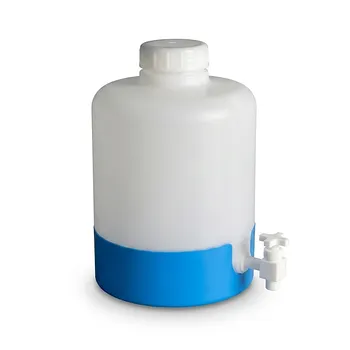
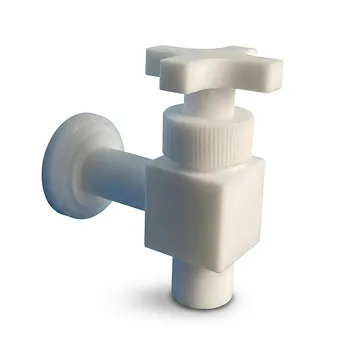
- High Corrosion Resistant PTFE Faucet Polytetrafluoroethylene Valve for Chemical Storage Drums and Fluid Transfer Systems Customizable Industrial Grade
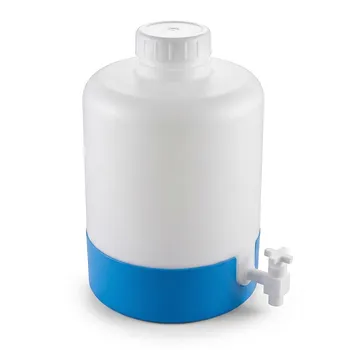
- Corrosion Resistant PTFE Polytetrafluoroethylene Valve and Customizable Laboratory Fluid Dispensing Faucet for Aggressive Chemical Handling in Industrial Storage Tanks and Plastic Drums
- PTFE Lined High Pressure Digestion Vessel 50ml High Temperature Hydrothermal Synthesis Tank
- High Purity PTFE Faucet Corrosion Resistant Polytetrafluoroethylene Drum Valve Customizable Lab Chemical Fluid Control
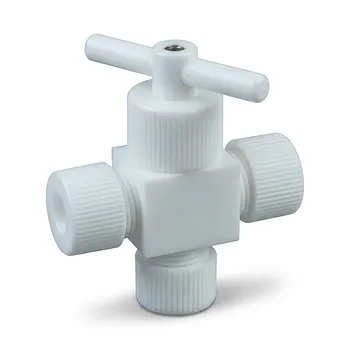
- Custom PTFE Valve 2-Way 3-Way Corrosion Resistant Low Background Virgin Fluoropolymer Industrial Fluid Control
Related Articles
- Your Plant's Silent Killer: Why Standard Valves Fail with Corrosive Chemicals (And the One Fix That Works)
- Why Your PTFE Valves Leak at High Temperatures—and How to Master the "Creep" Factor
- Beyond Exotic Alloys: The Smarter Strategy for Corrosion-Proof Fluid Control
- The Hidden Culprit Behind Batch Contamination: Why Your Sterilization Protocol Might Not Be Enough
- Why Your Samples Stick and Your Valves Jam: Solving Laboratory Inefficiencies Through Surface Science