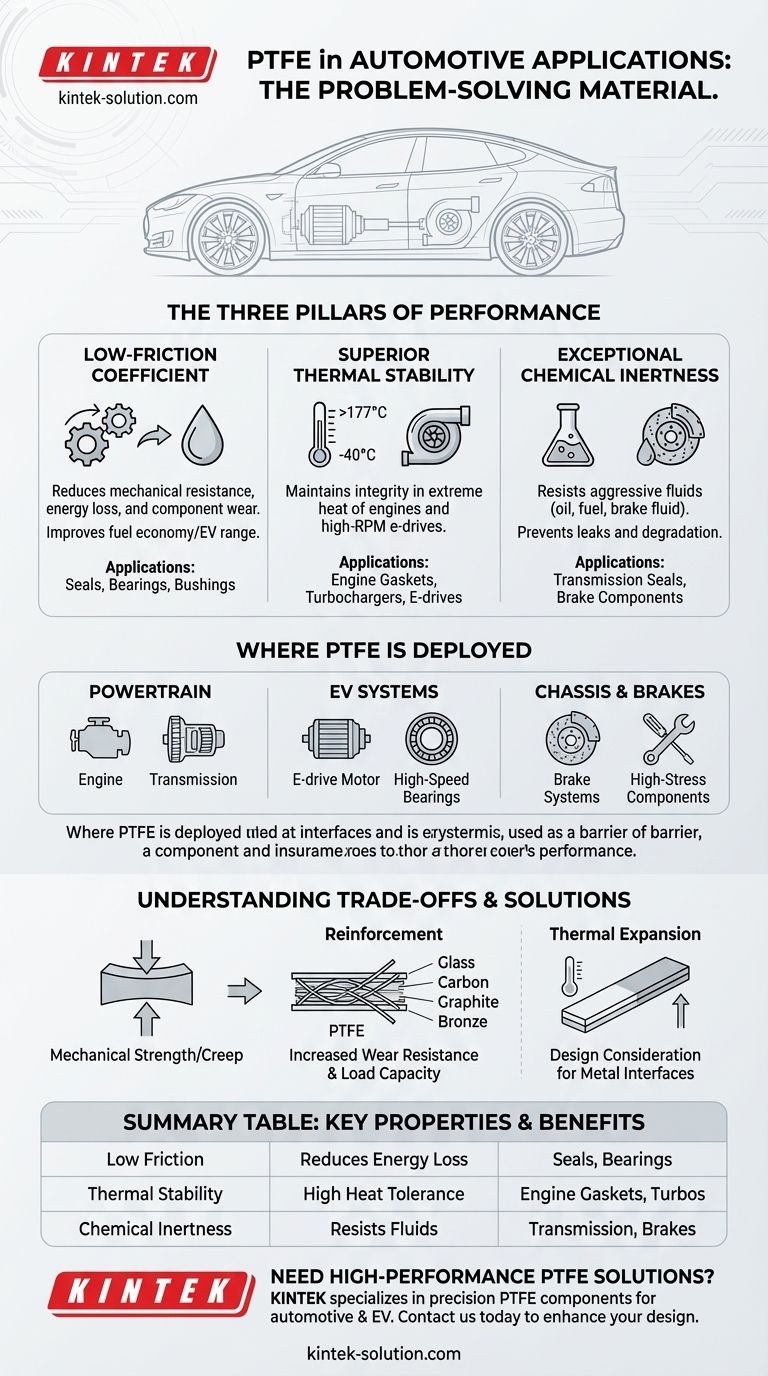
In automotive engineering, Polytetrafluoroethylene (PTFE) serves as a critical problem-solving material, primarily valued for its exceptionally low friction, high heat tolerance, and chemical inertness. It is deployed in components like seals, gaskets, bearings, and bushings to reduce wear, improve efficiency, and ensure durability in the harsh environments of engines, transmissions, and brake systems.
The core value of PTFE in automotive design is not just one of its properties, but its unique combination of them. This synergy allows engineers to create more efficient, longer-lasting, and higher-performing vehicles, from conventional engines to high-RPM electric drives.
The Three Pillars of PTFE's Automotive Performance
To understand why PTFE is so prevalent, you must understand its three fundamental characteristics and how they solve specific automotive challenges. These properties work in concert to enhance system performance and longevity.
Unmatched Low-Friction Coefficient
PTFE has one of the lowest coefficients of friction of any solid material, a property that is famously used in non-stick cookware. In a vehicle, this translates directly to reduced mechanical resistance.
This is critical for dynamic seals, bearings, and bushings, where minimizing friction reduces energy loss, which in turn can improve fuel economy or an EV's range. It also dramatically cuts down on component wear, extending the service life of critical parts.
Superior Thermal Stability
Automotive engine compartments and high-performance systems generate extreme heat. PTFE maintains its structural integrity and performance characteristics across a wide temperature range, from -40°C to over 177°C.
This thermal resilience makes it indispensable for gaskets and seals within engines, turbochargers, and the high-speed e-drive systems found in electric vehicles, which can operate at over 18,000 RPM.
Exceptional Chemical Inertness
A modern vehicle relies on a host of aggressive fluids, including gasoline, diesel, engine oil, transmission fluid, and brake fluid. PTFE is almost completely inert, meaning it does not react with or degrade when exposed to these chemicals.
This chemical resistance ensures that seals and gaskets do not swell, crack, or fail prematurely, preventing leaks and maintaining the integrity of closed systems over the vehicle's lifespan.
Where PTFE is Deployed in Modern Vehicles
PTFE is not a structural material like steel but an enabling material. It is most often found at the interface between moving parts or as a barrier against harsh conditions.
In Powertrain and Drivetrain Systems
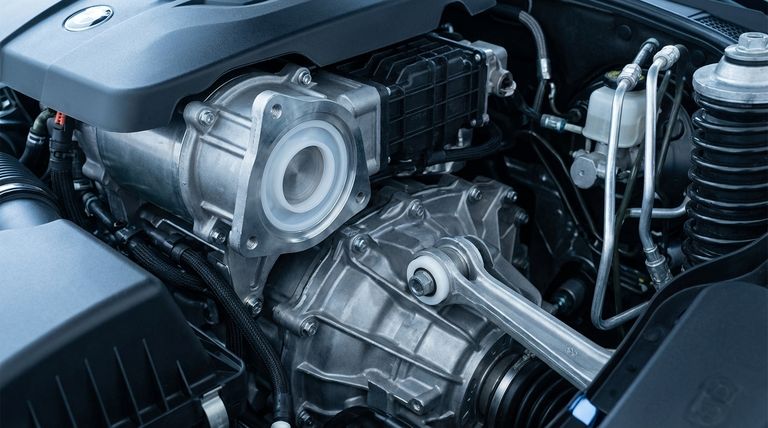
The most common applications are in powertrain components. You will find PTFE in engine crankshaft seals, transmission seals, and valve stem seals, where it must withstand heat, chemical exposure, and constant motion.
In high-performance applications like turbochargers and top-fuel blowers, its ability to handle extreme RPMs (up to 36,000 RPM or more) and rapid pressure changes is essential.
In Electric Vehicle (EV) Systems
The rise of EVs has created new demands that PTFE is uniquely suited to meet. The extremely high rotational speeds of e-drive motors require seals and bearings with exceptionally low friction and high heat tolerance to ensure efficiency and reliability.
In Chassis and Brake Components
Within brake systems and other high-stress chassis applications, PTFE's durability and resistance to hydraulic fluids reduce maintenance needs. Its consistent performance ensures reliability where safety is paramount.
Understanding the Material Trade-offs
No material is perfect, and being an effective technical advisor means acknowledging limitations. While PTFE's core properties are exceptional, its base form has trade-offs that engineers must manage.
Mechanical Strength and Reinforcement
Standard PTFE is a relatively soft material. It can be susceptible to deformation, or "creep," under sustained high loads. This is a critical design consideration for engineers.
To counteract this, PTFE is often reinforced with fillers like glass fiber, carbon, graphite, or bronze. These additives dramatically increase wear resistance, load-bearing capacity, and dimensional stability, tailoring the material for specific high-stress applications.
Thermal Expansion
PTFE has a higher coefficient of thermal expansion than metals. Engineers must carefully account for how PTFE components will expand and contract when designing parts that interface with metal housings to ensure a proper seal is maintained across all operating temperatures.
Making the Right Choice for Your Goal
Selecting the right material comes down to the primary goal of the component you are designing.
- If your primary focus is maximizing efficiency and reducing wear: PTFE's low-friction properties make it the ideal choice for dynamic seals, bushings, and bearings where parasitic losses must be minimized.
- If your primary focus is reliability under extreme heat or chemical exposure: PTFE's thermal stability and chemical inertness are critical for gaskets and fluid-handling components in engine and transmission systems.
- If your primary focus is performance in high-speed rotating systems: Reinforced PTFE is essential for handling the intense thermal and mechanical demands of turbochargers and electric vehicle e-drives.
Ultimately, PTFE is a cornerstone material for engineering automotive components that are efficient, durable, and capable of performing under the most demanding conditions.
Summary Table:
| Key Property | Automotive Benefit | Common Applications |
|---|---|---|
| Low Friction | Reduces energy loss, improves fuel economy/EV range | Seals, bearings, bushings |
| Thermal Stability (-40°C to 177°C+) | Maintains performance in extreme heat | Engine gaskets, turbochargers, e-drives |
| Chemical Inertness | Resists degradation from oils, fuels, and fluids | Transmission seals, brake components |
Need high-performance PTFE components for your automotive or EV project?
KINTEK specializes in manufacturing precision PTFE seals, liners, and custom labware for the semiconductor, medical, laboratory, and industrial sectors. Whether you require prototypes or high-volume orders, our expertise in custom fabrication ensures components that meet the demanding thermal, chemical, and mechanical requirements of modern vehicles.
Contact us today to discuss how we can enhance your design with reliable PTFE solutions.
Visual Guide
Related Products
- Custom PTFE Filtration System Acid Resistant High Purity Semiconductor Grade Chemical Processing Filter
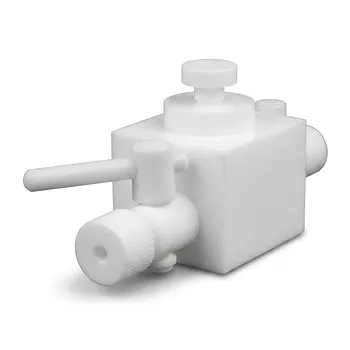
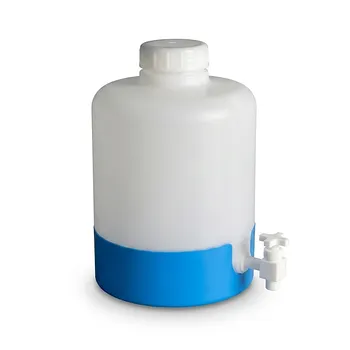
- High Corrosion Resistant PTFE Faucet Polytetrafluoroethylene Valve for Chemical Storage Drums and Fluid Transfer Systems Customizable Industrial Grade
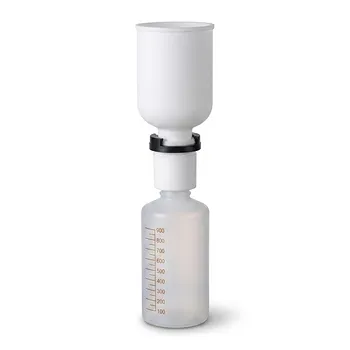
- PTFE PFA Vacuum Filtration System Corrosion Resistant Customizable Shatterproof Laboratory Device
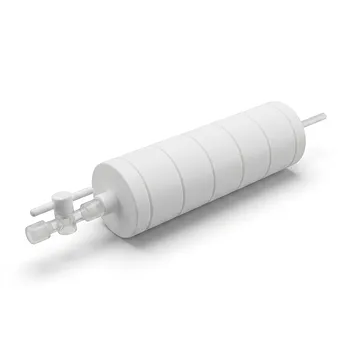
- PTFE Corrosion Resistant Filter with PFA Valve Connections and Integrated Sieve Plate
- High Temperature Chemical Resistant 50ml PTFE Syringe Customized Teflon Injector with Threaded Seal for Trace Analysis
People Also Ask
- What makes PTFE filtration systems advantageous for industrial and scientific use? Unmatched Chemical & Thermal Stability
- What sizes and pore options are available for PTFE filters? Choose the Right Filter for Your Application
- What steps are involved in selecting the proper PTFE filter? A 4-Step Guide to Optimal Filtration
- What temperature resistance do PTFE filters offer? Unmatched Thermal Stability from -200°C to +260°C
- How does the hydrophobicity of PTFE filters benefit their use? Ensure Uninterrupted Gas Flow and Solvent Filtration