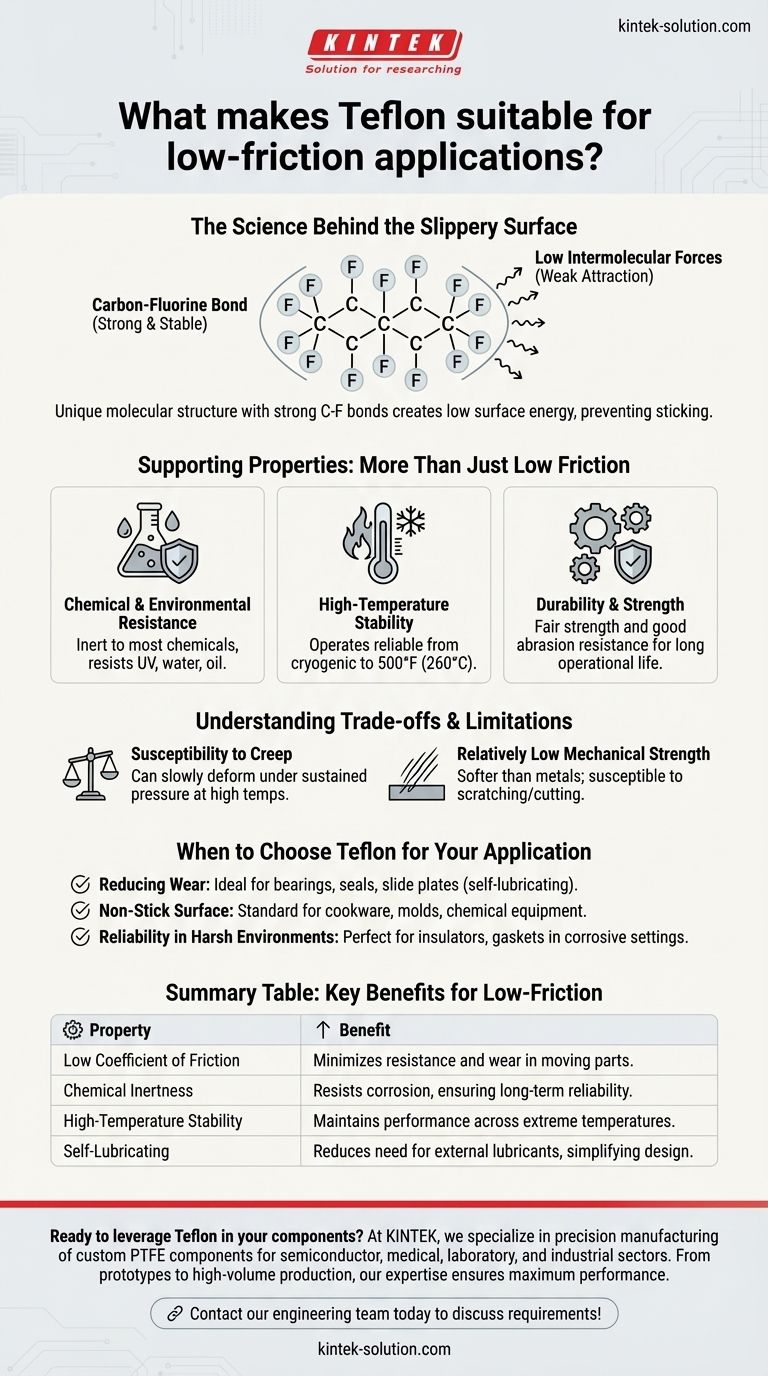
At its core, Teflon's suitability for low-friction applications stems from its molecular structure, which gives it one of the lowest coefficients of friction of any known solid. This unique property, a result of strong carbon-fluorine bonds, allows other materials to glide over its surface with minimal resistance, dramatically reducing wear and energy loss.
The key takeaway is not just Teflon's inherent slipperiness, but its powerful combination of low friction with exceptional chemical inertness, high-temperature resistance, and durability. This synergy makes it a reliable solution for demanding engineering challenges where other materials would fail.
The Science Behind the Slippery Surface
The reason for Teflon's famous non-stick quality is found at the molecular level. It's a result of the unique way its atoms are bonded together.
The Carbon-Fluorine Bond
Polytetrafluoroethylene (PTFE), the chemical name for Teflon, consists of a long chain of carbon atoms completely surrounded by fluorine atoms. The bond between carbon and fluorine is exceptionally strong and stable.
Low Intermolecular Forces
These fluorine atoms effectively shield the carbon backbone, creating a surface with very low surface energy. This means there are very weak forces of attraction between Teflon molecules and the molecules of any other substance, preventing things from sticking to it.
More Than Just Low Friction: The Supporting Properties
While its low friction is the headline feature, several other properties are critical for its performance in real-world applications.
Chemical and Environmental Resistance
Teflon is almost completely inert, meaning it does not react with the vast majority of chemicals. It also has excellent weatherability, resisting degradation from UV light, water, and oil.
High-Temperature Stability
This material can operate reliably across a wide range of temperatures. Its resistance to heat makes it suitable for applications from non-stick cookware to industrial components exposed to high-heat processes.
Durability and Strength
For a polymer, Teflon possesses fair strength and good abrasion resistance. This ensures that components like bearings and seals not only reduce friction but also have a long operational life.
Understanding the Trade-offs
No material is perfect, and an objective assessment requires understanding Teflon's limitations.
Susceptibility to Creep
Under sustained pressure, especially at elevated temperatures, PTFE can slowly deform. This phenomenon, known as "creep" or "cold flow," must be accounted for in high-load structural designs.
Relatively Low Mechanical Strength
Compared to metals or high-performance engineering plastics, Teflon is relatively soft. It has lower tensile strength and can be more susceptible to scratching or cutting by sharp contaminants.
When to Choose Teflon for Your Application
Selecting the right material depends entirely on the primary goal of your project.
- If your primary focus is reducing wear in moving parts: Teflon is an ideal choice for bearings, seals, and slide plates due to its self-lubricating nature.
- If your primary focus is a non-stick surface: Its low surface energy makes it the standard for cookware, industrial molds, and chemical processing equipment.
- If your primary focus is reliability in harsh environments: The combination of chemical inertness, weatherability, and thermal stability makes it perfect for outdoor electrical insulators and gaskets in corrosive settings.
Understanding this blend of properties empowers you to deploy Teflon where it can provide the most significant and lasting value.
Summary Table:
| Property | Benefit for Low-Friction Applications |
|---|---|
| Low Coefficient of Friction | Minimizes resistance and wear in moving parts like bearings and seals. |
| Chemical Inertness | Resists corrosion from harsh chemicals, ensuring long-term reliability. |
| High-Temperature Stability | Maintains performance in environments from cryogenic to 500°F (260°C). |
| Self-Lubricating | Reduces or eliminates the need for external lubricants, simplifying design. |
Ready to leverage Teflon's low-friction properties in your components?
At KINTEK, we specialize in precision manufacturing of custom PTFE components—from seals and liners to complex labware—for the semiconductor, medical, laboratory, and industrial sectors. Whether you need a prototype or high-volume production, our expertise ensures your parts deliver maximum performance and durability.
Contact our engineering team today to discuss your project requirements and get a quote!
Visual Guide
Related Products
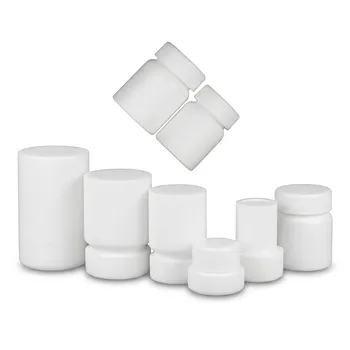
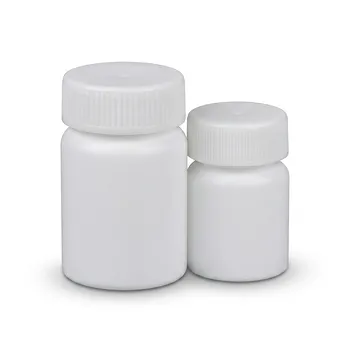
- PTFE Small Reaction Bottle Corrosion Resistant Teflon Sample Dissolution Tank One Piece Molded Fluoropolymer Storage Container
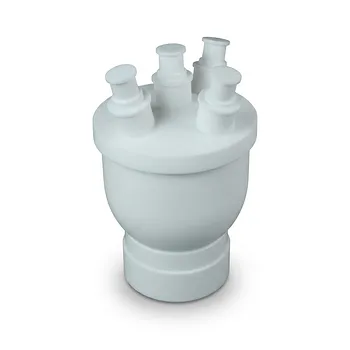
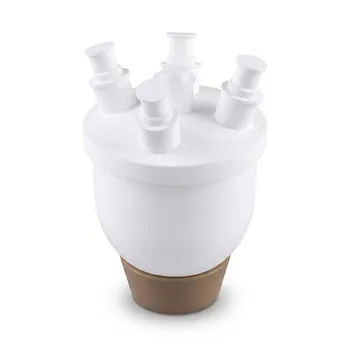
- Customizable Polytetrafluoroethylene PTFE Reactor and Corrosion Resistant Teflon Flask
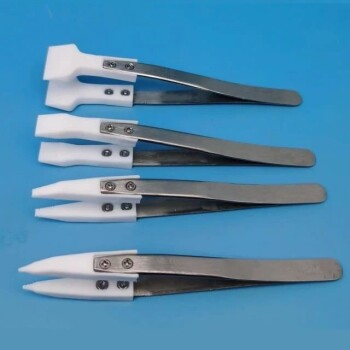
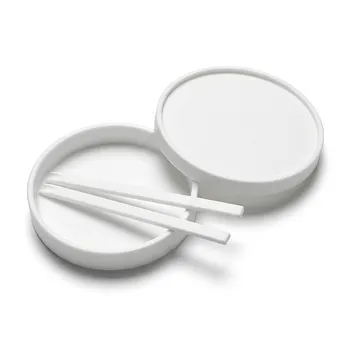
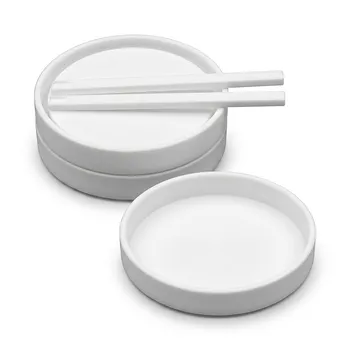
- Custom PTFE Parts Manufacturer for Teflon Parts and PTFE Tweezers
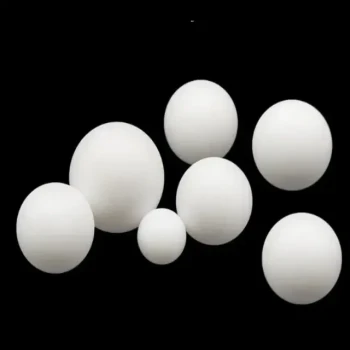
- Custom PTFE Teflon Balls for Advanced Industrial Applications
- Corrosion Resistant PTFE Small Reaction Bottle One Piece Molded Teflon Sample Storage Tank
People Also Ask
- What are the temperature limits for the PTFE bottle? Ensure Safety from -200°C to 260°C
- What are the advantages of the PTFE bottle's non-stick surface? Ensure Purity and Efficiency in Your Lab
- How do Polytetrafluoroethylene (PTFE) containers perform regarding gas permeation? Expert Insights on Solvent Absorption
- What are the key features of PTFE reagent bottles? Superior Chemical Resistance and Durability
- Are PTFE Laboratory Containers and Fluid Fittings Resistant to All Chemical Solvents? Discover Key Exceptions and Safe Handling Tips