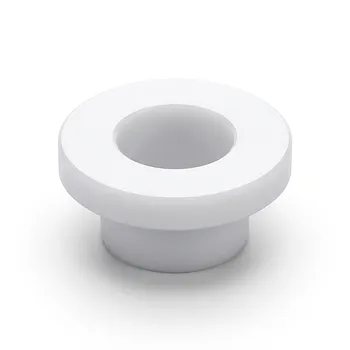
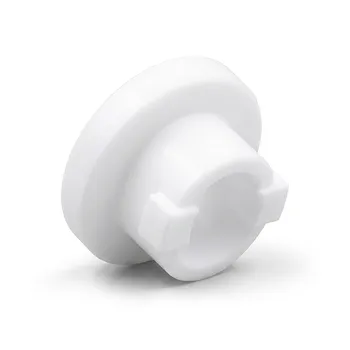
Virtually all demanding industries use PTFE bushings, with the most common being chemical processing, automotive, aerospace, and food and beverage manufacturing. Their adoption is driven by a unique set of properties that solve critical engineering challenges where other materials fail, particularly in applications involving corrosive substances, high temperatures, or the need for extremely low friction.
The core reason for PTFE's widespread use is not just one feature, but its powerful combination of three key traits: near-total chemical inertness, an exceptionally low coefficient of friction, and stability across a wide range of temperatures.

Why PTFE is a Go-To Material for Critical Applications
The value of Polytetrafluoroethylene (PTFE) bushings comes from their ability to perform reliably in environments that would degrade or destroy conventional materials. Understanding these core properties explains why they are so prevalent across diverse sectors.
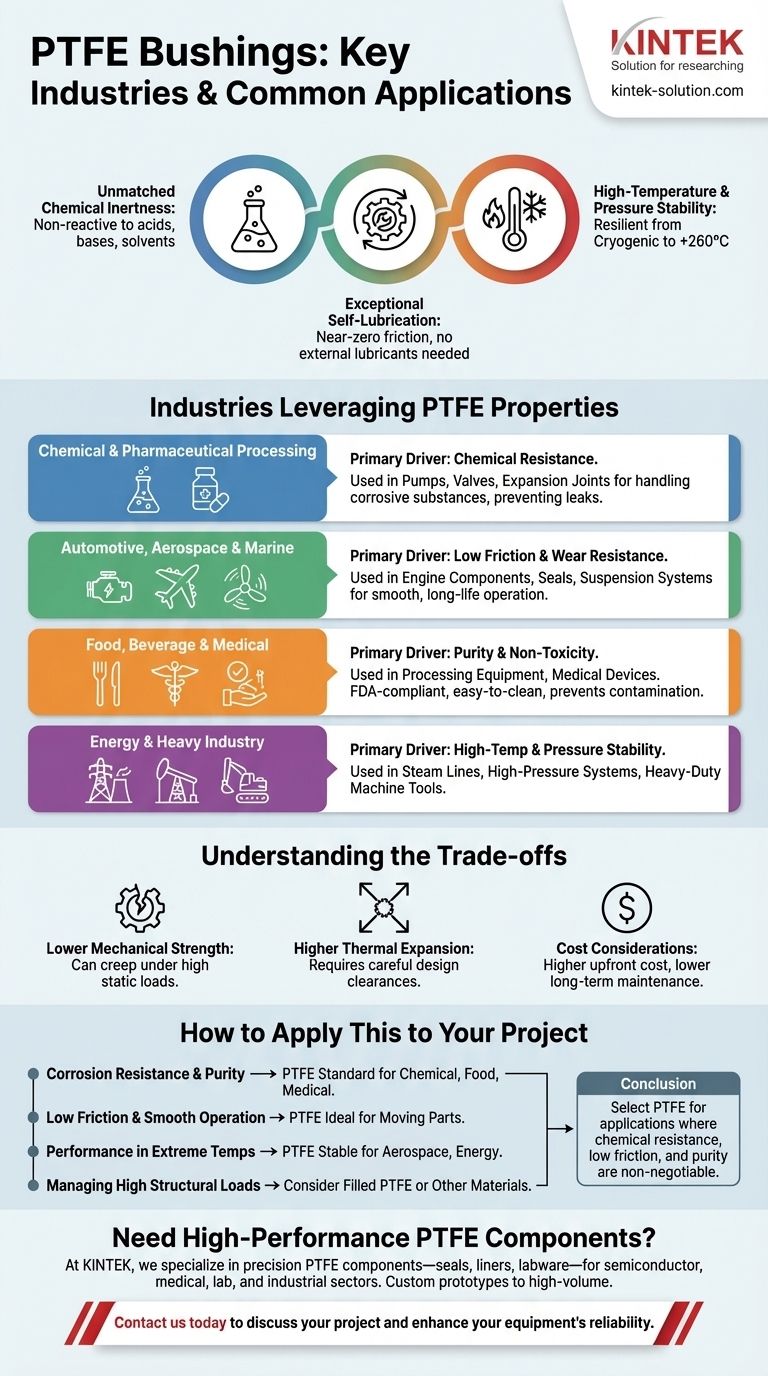
Unmatched Chemical Inertness
PTFE is famous for being non-reactive. It can withstand highly corrosive acids, bases, and solvents without degrading.
This property makes it indispensable in industries that handle aggressive substances daily.
Exceptional Self-Lubrication
PTFE has one of the lowest coefficients of friction of any solid material, often compared to wet ice on wet ice. This means parts can move against each other with minimal resistance and without external lubricants.
This self-lubricating nature is crucial for creating smooth, maintenance-free moving parts in machinery.
High-Temperature and Pressure Stability
PTFE bushings maintain their structural integrity and performance across a broad temperature spectrum, from cryogenic lows to highs of around 260°C (500°F).
This resilience makes them suitable for high-stress environments like power plants and oil and gas extraction.
Compliance and Purity
Many grades of PTFE are non-toxic and comply with strict regulatory standards, such as those from the FDA for food contact.
Its non-stick surface is also easy to clean and prevents contamination, a vital requirement in medical, pharmaceutical, and food processing.
A Sector-by-Sector Breakdown
Different industries leverage specific PTFE properties to solve their unique challenges.
Automotive, Aerospace, and Marine
These sectors rely on PTFE for its low friction and wear resistance. It is used in engine components, seals, and suspension systems to ensure smooth operation and long service life in extreme conditions.
Chemical and Pharmaceutical Processing
The primary driver here is chemical resistance. PTFE bushings and seals are used in pumps, valves, and expansion joints that handle highly corrosive chemicals, ensuring equipment longevity and preventing hazardous leaks.
Food, Beverage, and Medical
Purity and non-toxicity are paramount. PTFE's non-stick, FDA-compliant nature makes it ideal for processing equipment, where preventing contamination and ensuring hygiene is a non-negotiable requirement.
Energy and Heavy Industry
In power plants (thermal and nuclear), oil rigs, and manufacturing facilities, PTFE is chosen for its high-temperature and high-pressure stability. It performs reliably in steam lines, high-pressure systems, and heavy-duty machine tools.
Understanding the Trade-offs
While incredibly versatile, PTFE is not a universal solution. Being an objective advisor means acknowledging its limitations.
Lower Mechanical Strength
Compared to metal bushings, PTFE is a softer material. Under very high static loads, it can be susceptible to "creep," or slow deformation over time.
Higher Thermal Expansion
PTFE expands and contracts with temperature changes more than metals do. This must be carefully considered during the design phase to maintain proper clearances and prevent binding.
Cost Considerations
As a high-performance polymer, PTFE can be more expensive upfront than traditional bushing materials like bronze or nylon. However, its longevity and low maintenance often result in a lower total cost of ownership.
How to Apply This to Your Project
Your choice of material should be dictated by the most critical demand of your application.
- If your primary focus is corrosion resistance and purity: PTFE is an industry-standard choice for applications in chemical, food, or medical fields.
- If your primary focus is low friction and smooth operation: PTFE's self-lubricating properties are ideal for moving parts in automotive or manufacturing machinery.
- If your primary focus is performance in extreme temperatures: PTFE provides reliable stability for aerospace, energy, and high-performance industrial applications.
- If your primary focus is managing high structural loads: Consider a filled PTFE compound or a different material, as unfilled PTFE may deform under extreme pressure.
Ultimately, selecting PTFE bushings is a strategic decision for applications where chemical resistance, low friction, and purity are non-negotiable.
Summary Table:
| Industry | Primary Benefit of PTFE Bushings | Common Applications |
|---|---|---|
| Chemical & Pharmaceutical | Chemical Inertness | Pumps, Valves, Seals |
| Automotive & Aerospace | Low Friction & Wear Resistance | Engine Components, Seals |
| Food, Beverage & Medical | Purity & Non-Toxicity | Processing Equipment |
| Energy & Heavy Industry | High-Temp & Pressure Stability | Steam Lines, Machine Tools |
Need High-Performance PTFE Components for Your Demanding Application?
At KINTEK, we specialize in manufacturing precision PTFE components—including seals, liners, and custom labware—for the semiconductor, medical, laboratory, and industrial sectors. Whether you require prototypes or high-volume orders, our expertise ensures a solution that meets your exact specifications for chemical resistance, low friction, and thermal stability.
Contact us today to discuss your project and discover how our custom PTFE fabrication can enhance your equipment's reliability and performance.
Visual Guide
Related Products
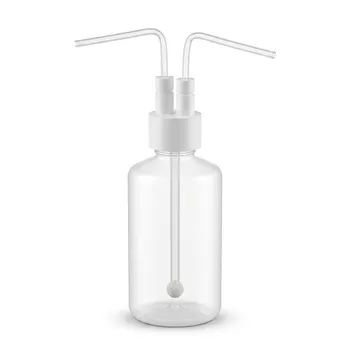
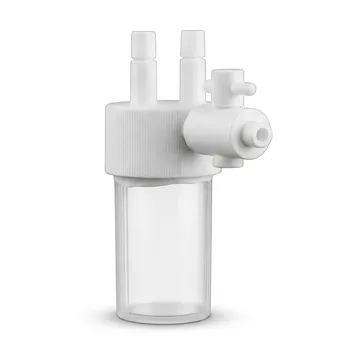
- Custom PTFE Gas Washing Bottle Cap Multi Port Reaction Lid Corrosion Resistant High Sealing Laboratory Fluoropolymer Closure
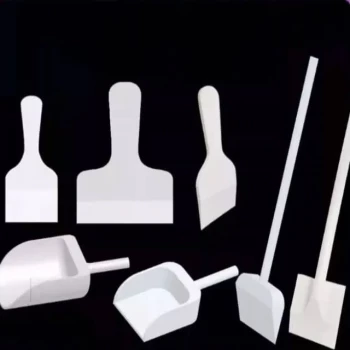
- Customizable PTFE Scrapers and Shovels for Demanding Applications
- High Corrosion Resistant PTFE Faucet Polytetrafluoroethylene Valve for Chemical Storage Drums and Fluid Transfer Systems Customizable Industrial Grade
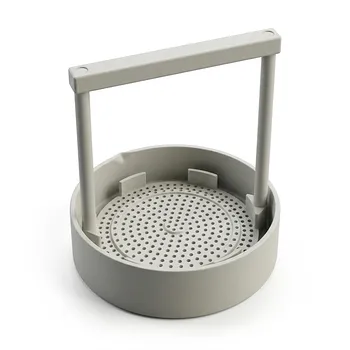
- Custom PTFE Laboratory Cleaning Basket Carrier High Purity Acid Base Resistant Wafer Holder Low Background Contamination Free Chemical Bath Rack
- PTFE Anti Scald Heat Insulation Sleeve Hot Plate Support Feet Laboratory Benchtop Protection Customizable Thermal Barrier
People Also Ask
- What material grades are available for PTFE caps? Choose the Right Grade for Purity or Performance
- What are the electrical insulation properties of PTFE caps? Superior Dielectric Performance for Demanding Applications
- What are the specialized types of PTFE caps and their uses? Ensure Sample Integrity and Safety
- What are the advantages of PTFE lids for jacketed and process vessels? Achieve Superior Durability & Chemical Resistance
- What are the reusability and durability characteristics of PTFE-lined bottle caps? Engineered for Repeated, Reliable Use