PTFE-based Printed Circuit Boards (PCBs) are the material of choice for the most demanding electronic applications. They are primarily used in radio frequency (RF) and microwave circuits, aerospace and defense systems, high-speed digital communications, and critical medical or automotive electronics that must operate flawlessly in harsh conditions.
The core value of PTFE as a PCB substrate is its exceptionally low and stable dielectric constant, which preserves signal integrity at high frequencies where standard materials fail. This electrical purity, combined with its resistance to heat, chemicals, and moisture, makes it indispensable for mission-critical electronics.

Why PTFE is the Standard for High-Performance Circuits
The selection of a PCB material is a foundational engineering decision. While common materials like FR-4 are sufficient for many electronics, they introduce unacceptable signal distortion at high frequencies. PTFE (Polytetrafluoroethylene) substrates solve this problem through a unique combination of electrical and physical properties.
Exceptionally Low Signal Loss
PTFE has a very low and stable dielectric constant (Dk), typically around 2.1. This property minimizes the amount of signal energy that is absorbed and lost as heat within the board itself, ensuring the maximum amount of power reaches its destination.
This is critical for applications like amplifiers and transmitters, where every fraction of a decibel of signal power is valuable.
Predictable Performance Across Frequencies
Unlike many other materials, PTFE's dielectric constant remains remarkably stable across a wide range of frequencies and temperatures. This consistency is essential for components like filters, couplers, and antennas, which must perform predictably to function correctly.
This stability prevents signal distortion and ensures that the circuit operates as designed, whether it's in a laboratory or a rapidly changing operational environment.
Unmatched Environmental Resistance
PTFE is famous for its inertness. It exhibits excellent resistance to chemicals, moisture, and high temperatures. This makes it an ideal choice for electronics deployed in harsh environments where reliability is non-negotiable.
This resilience ensures the long-term integrity of the circuit in aerospace, automotive, and industrial settings where exposure to corrosive elements or extreme temperatures is common.
Key Application Areas in Detail
The unique properties of PTFE make it the necessary choice in several advanced technology sectors.
RF and Microwave Systems
In high-frequency applications like radar systems, satellite communications, and high-power amplifiers, minimizing signal loss is paramount. PTFE's low-loss characteristics ensure that faint signals can be received and strong signals can be transmitted with maximum efficiency.
Aerospace and Defense
Avionics, guidance systems, and military communication hardware operate under extreme conditions. PTFE's ability to withstand high temperatures, vibration, and chemical exposure, all while maintaining pristine signal integrity, makes it an essential material for these mission-critical systems.
High-Speed Digital Circuits
For next-generation servers, routers, and telecommunications equipment, data must be transmitted with minimal distortion and latency. PTFE's low Dk allows signals to travel faster and cleaner, reducing bit errors and enabling higher data rates.
Medical and Automotive Sensors
Advanced systems like medical imaging devices and automotive radar (e.g., for collision avoidance) demand absolute reliability. PTFE's resistance to moisture and chemicals ensures stable, long-term performance, preventing failures that could have critical consequences.
Understanding the Manufacturing Trade-offs
While PTFE offers unparalleled performance, it comes with significant manufacturing challenges and costs. These factors must be weighed during the design process.
Material Softness and Handling
PTFE is a mechanically soft material. This makes it susceptible to gouging, scratching, and deformation during fabrication, especially during the drilling of vias. This requires specialized handling and machinery to prevent damage.
Challenges in Copper Adhesion
The famous non-stick property of PTFE is a major challenge for PCB manufacturing. Bonding copper foil to the substrate requires special surface preparation techniques, such as plasma treatment, to create a reliable bond, adding complexity and cost to the process.
Complex Thermal Processing
PTFE has a high melting point and unique thermal expansion characteristics. This necessitates high-temperature soldering techniques and carefully controlled lamination processes to prevent board warping and ensure dimensional stability.
The Inevitable Cost Factor
The combination of expensive raw material and the highly specialized manufacturing processes required means that PTFE PCBs are significantly more costly than their FR-4 counterparts. Their use is a deliberate trade-off, sacrificing budget for ultimate performance.
Making the Right Choice for Your Application
Selecting a PCB substrate requires a clear understanding of your project's primary goal.
- If your primary focus is performance at high frequencies (above 2 GHz): PTFE is often the only viable choice to minimize signal loss and ensure predictable circuit behavior.
- If your project must operate in extreme temperatures or harsh chemical environments: PTFE's inherent stability provides the long-term reliability that standard materials cannot guarantee.
- If your primary concern is cost for a standard digital or analog circuit: PTFE is almost certainly overkill; a high-performance FR-4 or alternative material offers a much better balance of cost and performance.
Choosing a PTFE substrate is a deliberate engineering decision to prioritize ultimate performance and reliability when compromise is not an option.
Summary Table:
| Application Area | Why PTFE is Used |
|---|---|
| RF & Microwave Systems | Exceptionally low signal loss for radar, satellite comms, and amplifiers. |
| Aerospace & Defense | Withstands extreme temperatures, vibration, and chemicals for mission-critical reliability. |
| High-Speed Digital Circuits | Enables faster data transmission with minimal distortion in servers and telecom gear. |
| Medical & Automotive Sensors | Provides long-term stability and resistance to moisture in critical safety systems. |
Need high-performance PTFE components for your critical application?
KINTEK specializes in the precision manufacturing of PTFE seals, liners, labware, and custom components. We understand the demanding requirements of the semiconductor, medical, laboratory, and industrial sectors. Whether you need prototypes or high-volume production, our expertise ensures your components meet the highest standards for reliability and performance.
Contact our experts today to discuss how our custom PTFE fabrication can enhance your project's success.
Visual Guide

Related Products
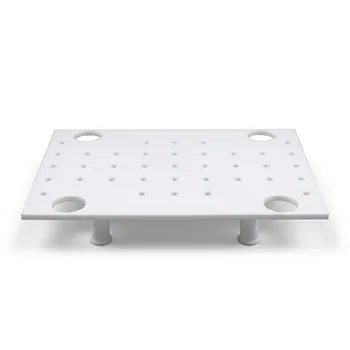
- High Temperature Resistant PTFE Thermal Insulation Board Corrosion Resistant Metal Free Fluoropolymer Stand for Ultra Clean Laboratories
- Customizable PTFE Heat Insulation Plate High Temperature Corrosion Resistant Laboratory Support Layered Multi Tier Stand
- Custom PTFE Multi Layer Filtration Plates Corrosion Resistant Low Background Lab Grade Filter Assemblies
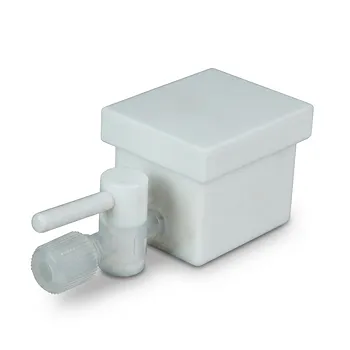
- PTFE Corrosion Resistant Filter with PFA Valve Connections and Integrated Sieve Plate
- PTFE Anti Scald Heat Insulation Sleeve Hot Plate Support Feet Laboratory Benchtop Protection Customizable Thermal Barrier
People Also Ask
- What are the limitations of pure PTFE in high temperature applications? Understanding the 200°C Ceiling
- What materials are used to manufacture PTFE bars? A Guide to Virgin & Filled PTFE
- What factors should be considered when choosing PTFE bars for chemical applications? Select the Right Grade for Your Process
- What advantages do PTFE bars offer in chemical industries? Ensure Safety and Efficiency in Demanding Applications
- Why are PTFE bars considered essential in modern industrial applications? Unlock Unmatched Chemical & Thermal Resistance