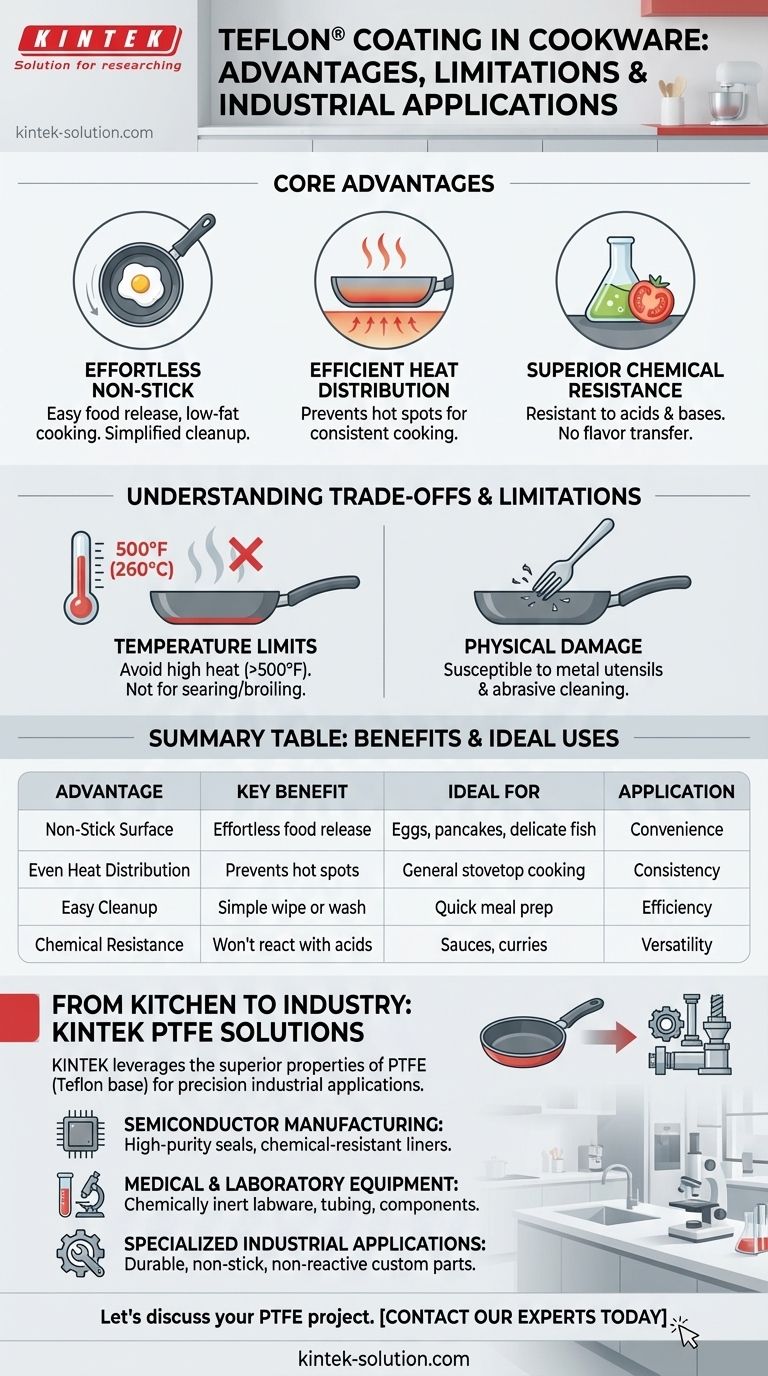
At its core, Teflon coating provides three primary advantages for cooking utensils: an exceptionally non-stick surface for easy food release, efficient heat distribution for more even cooking, and simplified cleanup. These benefits stem from its unique chemical properties, which make the surface highly resistant to bonding with other substances.
The true value of Teflon in the kitchen comes from its fundamental chemical inertness and low-friction surface. This not only makes cooking and cleaning easier but also ensures the material does not react with your food.
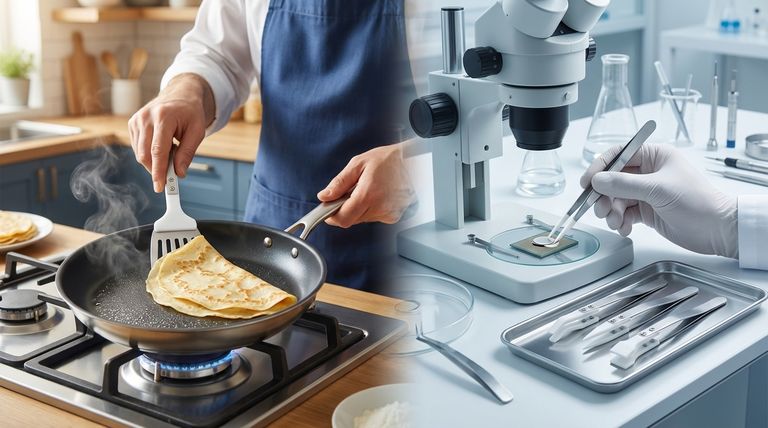
The Core Functional Advantages
The properties that make Teflon (a brand name for Polytetrafluoroethylene or PTFE) useful in industrial settings are the same ones that make it so effective in the kitchen. It is engineered to be non-reactive and slippery at a molecular level.
Effortless Cooking and Cleaning
The most celebrated benefit is its non-stick nature. Food simply does not bond to the coating, allowing it to slide off the surface with ease.
This means you can often cook with significantly less oil or butter, and cleanup is reduced to a simple wipe or gentle wash rather than intensive scrubbing.
Efficient and Even Heat Transfer
Teflon coatings are applied to a metal base, typically aluminum, which is an excellent heat conductor. The coating itself aids in distributing that heat quickly and evenly across the entire cooking surface.
This efficiency helps prevent "hot spots," reducing the risk of food being simultaneously burned in one area and undercooked in another.
Superior Chemical Resistance
The coating is highly resistant to damage from both acids and bases commonly found in food. Ingredients like tomatoes, vinegar, or lemon juice will not degrade the surface.
This chemical stability ensures the coating remains intact and does not impart any unwanted flavors into your meal.
Understanding the Trade-offs and Limitations
To make an informed decision, you must also understand the material's limitations. No single cookware material is perfect for every task, and Teflon is no exception.
The Critical Factor of Temperature
While Teflon is heat-resistant, it has a clear upper limit. When heated above 500°F (260°C), the coating can begin to break down and release fumes that are potentially harmful to inhale.
For this reason, it is not the ideal choice for high-heat searing or for use in an oven at its highest settings. It's crucial to never preheat an empty non-stick pan on high heat.
Susceptibility to Physical Damage
The Teflon coating is relatively soft and can be easily scratched or chipped by metal utensils. Abrasive scouring pads can also damage the surface.
Once the coating is scratched, its non-stick performance is compromised, and there is a risk of small particles flaking off into your food.
Making the Right Choice for Your Goal
Selecting the right cookware depends entirely on your cooking habits and priorities.
- If your primary focus is convenience and low-fat cooking: Teflon is an outstanding choice for everyday tasks like cooking eggs, pancakes, and delicate fish, where its non-stick surface and easy cleanup shine.
- If your primary focus is high-heat searing and maximum durability: You may be better served by materials like cast iron or stainless steel, which can withstand much higher temperatures and are resilient to metal utensils.
Ultimately, understanding both the benefits and the limitations of Teflon allows you to use it effectively and safely for the tasks it was designed for.
Summary Table:
| Advantage | Key Benefit | Ideal For |
|---|---|---|
| Non-Stick Surface | Effortless food release, low-fat cooking | Eggs, pancakes, delicate fish |
| Even Heat Distribution | Prevents hot spots, consistent cooking results | General stovetop cooking |
| Easy Cleanup | Resists food sticking; simple wipe or wash | Quick and convenient meal prep |
| Chemical Resistance | Won't react with acidic foods like tomatoes | Sauces, curries, and a variety of cuisines |
Need High-Performance PTFE Components for Your Industry?
While Teflon coatings make cooking easier at home, KINTEK leverages the same superior properties of PTFE (the base material for Teflon) to manufacture precision components for demanding industrial applications. Our expertise in custom fabrication ensures reliable performance for:
- Semiconductor Manufacturing: High-purity seals and liners resistant to aggressive chemicals.
- Medical & Laboratory Equipment: Chemically inert labware, tubing, and components.
- Specialized Industrial Applications: Durable seals and custom parts that require non-stick and non-reactive properties.
We prioritize precision production, from initial prototypes to high-volume orders, to meet your exact specifications.
Let's discuss how our PTFE solutions can benefit your project. Contact our experts today for a consultation!
Visual Guide
Related Products
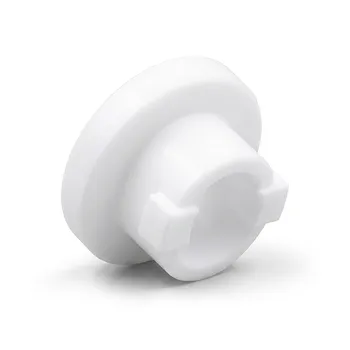
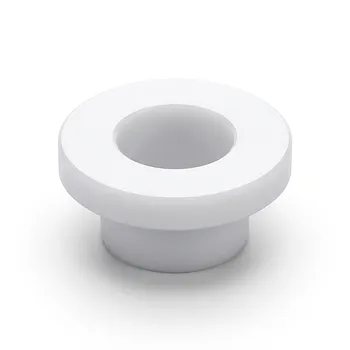
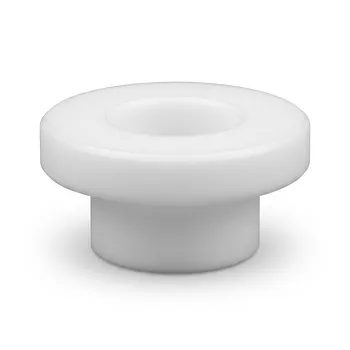
- Custom PTFE Insulating Gaskets Corrosion Resistant Teflon Seals Tailored Engineering Plastic Components
- Customizable High Temperature Resistant Anti Static PTFE Insulating Gaskets Flame Retardant Corrosion Proof Industrial Seals
- Custom PTFE Insulating Gaskets and Corrosion Resistant Fluoropolymer Seals for Industrial Electrical Applications
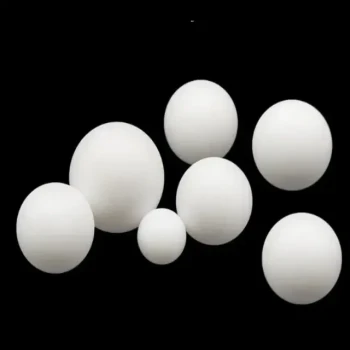
- Custom PTFE Teflon Balls for Advanced Industrial Applications
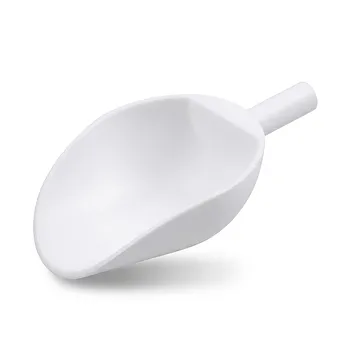
- Custom Acid and Alkali Resistant PTFE Pharmacy Scoop High Temperature White Teflon Material Handling Scoop for Bio Pharmaceutical Lab Use
People Also Ask
- How are custom PTFE parts used in the automotive sector? Enhance Vehicle Performance & Durability
- Why is PTFE an ideal material choice for sealing gaskets, valves, and fluid transfer tubing exposed to extremely aggressive chemicals? Discover Its Superior Chemical Resistance and Reliability
- What thickness options are available for PTFE gaskets? Select the Right Seal for Your Application
- How do fillers improve the mechanical performance of PTFE gaskets compared to virgin PTFE? Boost Strength & Reliability
- What is the temperature range that PTFE gaskets can withstand? A Guide from -200°C to +260°C