At its core, a Teflon sheet is a high-performance material known officially as Polytetrafluoroethylene (PTFE). It is a synthetic fluoropolymer, a type of plastic, composed entirely of carbon and fluorine atoms. First developed in the 1930s, its unique chemical structure gives it a combination of properties—most notably extreme heat resistance and an exceptionally non-stick surface—that make it valuable in countless applications.
The defining characteristic of Teflon (PTFE) is not just one feature, but its rare combination of near-total chemical inertness, high-temperature stability, and an incredibly low-friction surface, all stemming from the powerful bond between its carbon and fluorine atoms.
The Chemical Foundation of Teflon (PTFE)
To understand what a Teflon sheet is, you must first understand the molecule that gives it its power. The material's remarkable properties are a direct result of its simple but incredibly robust chemical makeup.
A Synthetic Fluoropolymer
Teflon is a synthetic fluoropolymer, meaning it is a man-made, plastic-like compound containing fluorine. Its chemical formula is (C2F4)n, indicating it is a long-chain polymer made of repeating tetrafluoroethylene monomer units.
The Carbon-Fluorine Bond
The secret to Teflon's performance lies in the carbon-fluorine (C-F) bond. This bond is one of the strongest single bonds in organic chemistry.
Because the entire carbon backbone of the PTFE molecule is sheathed in these tightly-bound fluorine atoms, the molecule is exceptionally stable and non-reactive.
Key Properties and Their Origins
The unique molecular structure of PTFE directly translates into a set of highly desirable physical properties. Each key feature can be traced back to the strength and stability of its chemical bonds.
Exceptional Non-Stick Surface
PTFE has one of the lowest coefficients of friction of any solid material. The fluorine atoms create a protective, low-energy surface that other substances find nearly impossible to stick to, making it the ideal material for non-stick applications.
High-Temperature Resistance
The strength of the C-F bonds requires a great deal of energy to break. This allows Teflon sheets to withstand high temperatures (melting at approximately 600 K / 327°C / 620°F) without melting, warping, or degrading, making them perfect for heat-related tasks.
Chemical Inertness
The same stable structure that resists heat also resists chemical attack. Teflon is chemically inert, meaning it will not react with the vast majority of chemicals, acids, and bases. Only a few highly reactive substances, like certain alkali metals, can affect it.
Physical Characteristics
Beyond its chemical properties, a Teflon sheet is typically thin, flexible, and durable. This versatility makes it easy to handle and adapt for use as liners, barriers, or protective surfaces in a wide range of contexts.
Understanding the Trade-offs
While PTFE is a high-performance material, it is not without limitations. Acknowledging its trade-offs is key to using it effectively and safely.
Thermal Limitations
Although highly heat-resistant, PTFE does have an upper temperature limit. When heated well beyond its recommended use temperature, the material can begin to break down. It is critical to operate within the specified thermal range for any application.
Mechanical Durability
The same properties that make Teflon non-stick also make it a relatively soft material. It can be easily scratched or damaged by sharp metal utensils or abrasive materials, which can compromise the integrity of its non-stick surface.
Applying This to Your Goal
Understanding the fundamental properties of a Teflon (PTFE) sheet allows you to select it for the right reasons.
- If your primary focus is heat-press crafting or baking: Its combination of non-stick and heat-resistant properties makes it the perfect reusable barrier to protect your equipment and projects.
- If your primary focus is industrial sealing or chemical lining: Its unparalleled chemical inertness and low-friction surface are its most valuable assets for creating durable gaskets and corrosion-proof linings.
- If your primary focus is everyday cookware: The non-stick surface is the key benefit for easy food release and cleaning, but you must be mindful of its softness and avoid abrasive tools.
Ultimately, recognizing that Teflon's power comes from its simple but robust chemical structure allows you to leverage its unique properties with confidence.
Summary Table:
| Property | Key Characteristic | Origin |
|---|---|---|
| Non-Stick Surface | Extremely low coefficient of friction | Shield of fluorine atoms on the polymer chain |
| Heat Resistance | Withstands temperatures up to 327°C (620°F) | Strong carbon-fluorine (C-F) bonds |
| Chemical Inertness | Resists almost all acids, bases, and solvents | Stable, non-reactive molecular structure |
| Durability | Flexible and durable, but can be scratched by sharp objects | Soft nature of the PTFE polymer |
Need a high-performance PTFE solution tailored to your exact needs?
At KINTEK, we specialize in manufacturing precision PTFE components—including custom sheets, seals, liners, and labware—for the semiconductor, medical, laboratory, and industrial sectors. Whether you require prototypes or high-volume orders, our expertise ensures you get the chemical resistance, thermal stability, and non-stick performance your application demands.
Contact our experts today to discuss your project and receive a quote!
Visual Guide

Related Products
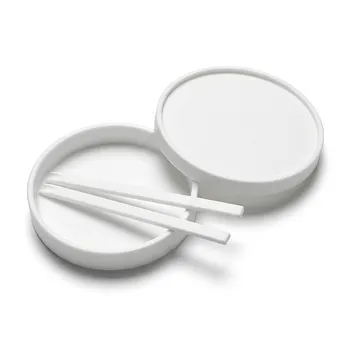
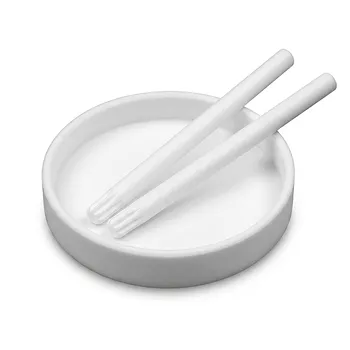
- Custom Polytetrafluoroethylene PTFE Petri Dishes 60mm Corrosion Resistant Low Background Labware
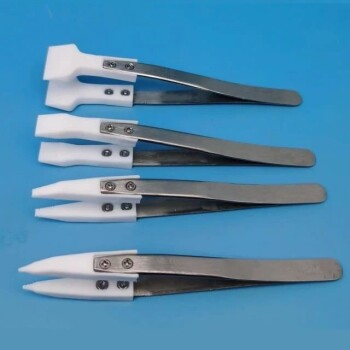
- Custom PTFE Parts Manufacturer for Teflon Parts and PTFE Tweezers
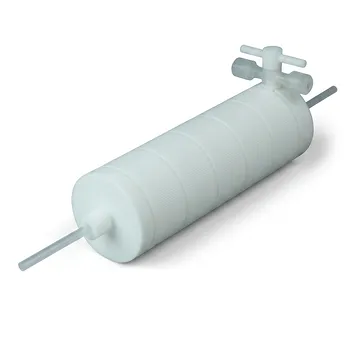
- High Purity PTFE Filter with PFA Valve Connections and Integrated Sieve Plate for Corrosive Fluid Processing
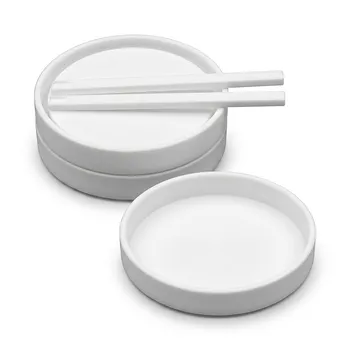
- Custom PTFE Petri Dish 90mm Diameter Corrosion Resistant Low Background High Purity Labware
- Custom PTFE Parts Manufacturer for Teflon Containers and Components
People Also Ask
- Why are PTFE or PFA Petri dishes preferred for membrane casting? Ensure Damage-Free Recovery & Chemical Purity
- What types of labware or tools are commonly made from PTFE? Essential Chemically-Resistant Equipment for Your Lab
- What are the considerations for choosing PTFE or glass for Bi2O3/CeO2 synthesis? Ensure Purity and Precision.
- What are the key properties of PTFE that make it suitable for labware applications? Ensure Lab Integrity with Superior Material
- What types of PTFE labware are commonly available? Find the Right Tools for Your Lab