The Silent Partner in a Billion-Dollar Process
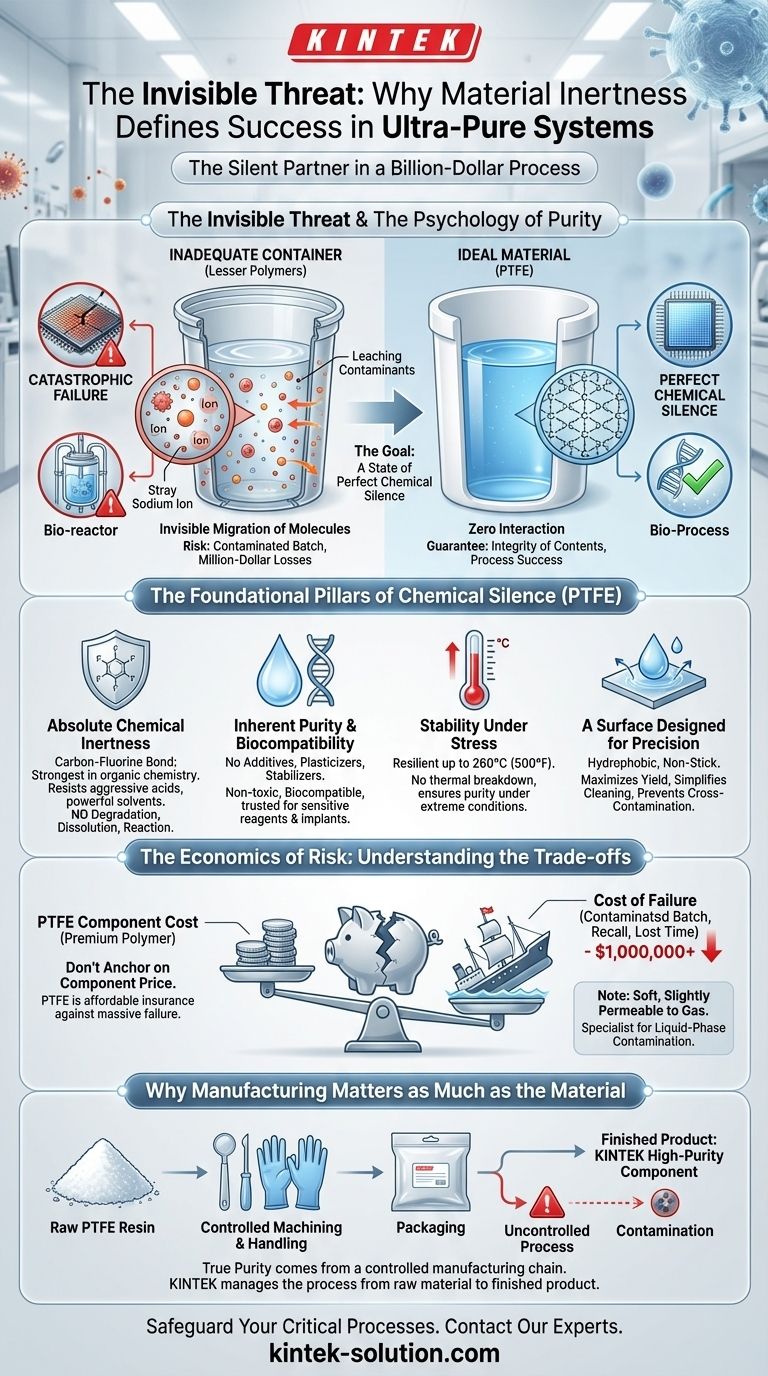
In a semiconductor cleanroom, the world is measured in nanometers and parts per billion. A single stray sodium ion, leached from an inadequate container holding a high-purity etchant, can render an entire wafer of microchips worthless. The financial loss isn't just the cost of the wafer; it's the cost of production time, diagnostics, and potentially millions in lost product.
The container holding the chemical isn't just a bottle; it's an active participant in the process. The question is whether its participation is benign or catastrophic.
In high-stakes environments, from fabricating CPUs to formulating life-saving biologics, the ideal material is a ghost: it must be present, but it must not interact. It must achieve a state of perfect chemical silence.
The Psychology of Purity: Trusting the Container
We are biased toward what we can see. We worry about visible dust or clumsy handling. Yet, the most insidious threat is invisible—the slow, silent migration of molecules from a container into its contents. This is called leaching.
Choosing a material for an ultra-pure application isn't just a technical decision; it's an act of trust. You are trusting that the container will not betray the integrity of what it holds.
This is where the unique molecular structure of Polytetrafluoroethylene (PTFE) becomes less a feature and more a guarantee. Its value is not in what it does, but in what it doesn't do.
The Foundational Pillars of Chemical Silence
PTFE's suitability for these demanding roles comes from a combination of properties that work in concert to eliminate variables and reduce risk.
1. Absolute Chemical Inertness
The carbon-fluorine bond is one of the strongest in organic chemistry. This is the source of PTFE’s legendary non-reactivity. It will not degrade, dissolve, or react with nearly any chemical, from aggressive acids to powerful solvents.
This isn't just about durability. It’s the fundamental reason it doesn't leach. The container remains itself, and the contents remain pure.
2. Inherent Purity & Biocompatibility
PTFE is inherently pure. It doesn't require additives, plasticizers, or stabilizers that could later become contaminants. Its non-toxic and biocompatible nature is so trusted that it's used for medical implants and bio-containment vessels.
This biological non-interference is a powerful indicator of its chemical purity. If it doesn't react with living tissue, it can be trusted with sensitive reagents.
3. Stability Under Stress
Purity must be maintained across a range of conditions. PTFE remains stable and inert up to 260°C (500°F). This thermal resilience ensures that heat won't trigger material breakdown, a common source of impurity release in lesser polymers.
4. A Surface Designed for Precision
The hydrophobic, non-stick surface of PTFE serves two critical functions:
- Maximizes Yield: It minimizes the amount of valuable sample that clings to the container walls, ensuring accurate transfers.
- Simplifies Cleaning: It can be cleaned thoroughly without harsh agents that might leave their own residue, reducing the risk of cross-contamination.
The Economics of Risk: Understanding the Trade-offs
No material is perfect for every context. Acknowledging PTFE's trade-offs is key to using it effectively.
The Cost of a Component vs. The Cost of Failure
PTFE is a premium polymer, and its cost is higher than materials like HDPE or polypropylene. This often leads to a cognitive error: anchoring on the component price.
The true financial calculation is not the cost of the PTFE bottle, seal, or liner. It is the cost of a contaminated batch, a failed experiment, or a product recall. A $100 precision-machined PTFE component is not expensive if it prevents a $1,000,000 failure. It’s the most affordable insurance you can buy.
Acknowledging Physical Boundaries
PTFE is a relatively soft material and is not ideal for high-impact structural roles. It is also slightly permeable to small gas molecules over long periods. It is a specialist, not a generalist. Its purpose is to provide the ultimate barrier against liquid-phase chemical contamination.
Why Manufacturing Matters as Much as the Material
The promise of PTFE's purity can be broken before it ever reaches your lab. The raw PTFE resin is only the starting point. The machining, handling, and packaging processes can introduce trace metals and particulates that defeat the entire purpose.
True purity comes from a controlled manufacturing chain.
| Property | Benefit for Ultra-Pure Applications | Potential Risk if Not Managed |
|---|---|---|
| Chemical Inertness | Resists virtually all chemicals; prevents leaching and contamination. | N/A (Inherent to material) |
| Inherent Purity | Non-toxic and biocompatible; safe for sensitive samples. | Contamination during fabrication |
| Thermal Stability | Stable up to 260°C (500°F) for high-temperature storage. | N/A (Inherent to material) |
| Hydrophobic Surface | Minimizes sample loss and allows for residue-free cleaning. | Surface damage from poor machining |
At KINTEK, we specialize in manufacturing high-purity PTFE components where process control is paramount. We understand that for our clients in the semiconductor, medical, and laboratory sectors, the component's history is as important as its material composition. By managing the process from raw material to finished product, we ensure the PTFE we deliver lives up to its promise of chemical silence.
Ensuring this level of purity requires more than just choosing the right polymer; it demands a partner who understands the intricacies of precision fabrication. To safeguard your critical processes, Contact Our Experts.
Visual Guide
Related Products
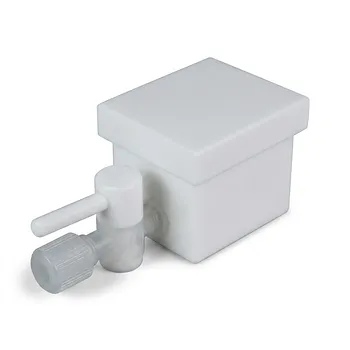
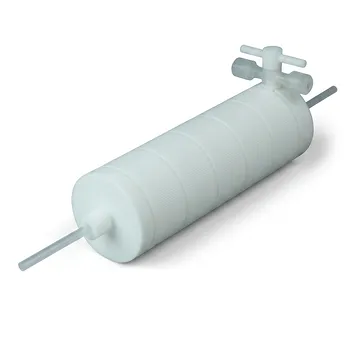
- Custom PTFE Filtration System Acid Resistant High Purity Semiconductor Grade Chemical Processing Filter
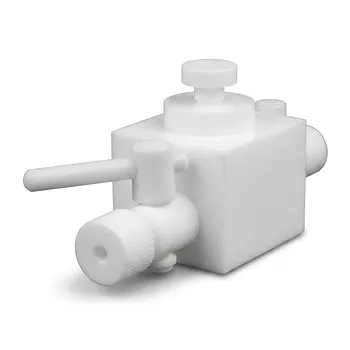
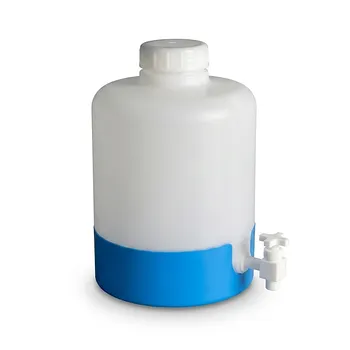
- High Corrosion Resistant PTFE Faucet Polytetrafluoroethylene Valve for Chemical Storage Drums and Fluid Transfer Systems Customizable Industrial Grade
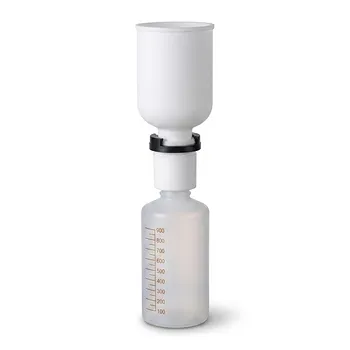
- PTFE PFA Vacuum Filtration System Corrosion Resistant Customizable Shatterproof Laboratory Device
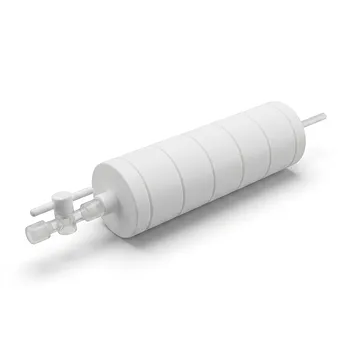
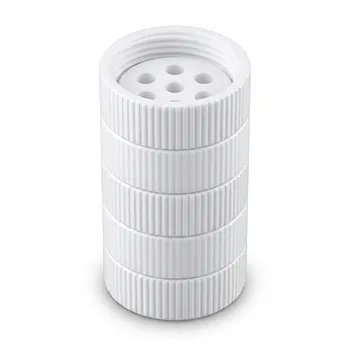
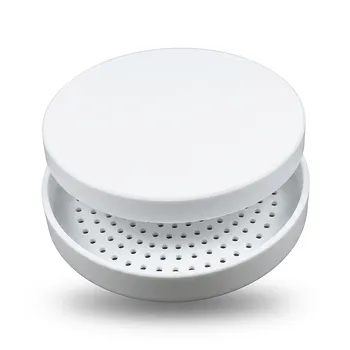
- PTFE Corrosion Resistant Filter with PFA Valve Connections and Integrated Sieve Plate
- High Temperature Chemical Resistant 50ml PTFE Syringe Customized Teflon Injector with Threaded Seal for Trace Analysis
Related Articles
- The Physics of a Perfect Fit: How PTFE Eliminates an Athlete's Hidden Distractions
- The Engineer's Dilemma: Navigating the Trade-offs Between PTFE and Its Alternatives
- The Hidden Risk of PTFE: Why Your Go-To Material Is Now a Liability—And What to Do About It
- The Unseen Workhorse: Why PTFE Is the Default Choice for Impossible Problems
- Beyond Sanitization: Why Your Material Choice Is the Real Key to Preventing Contamination