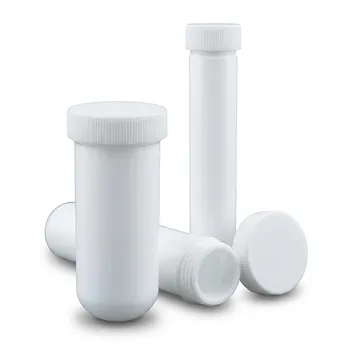
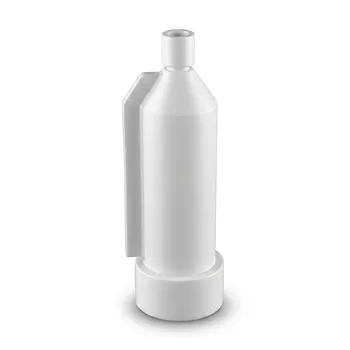
Virgin Polytetrafluoroethylene (PTFE) is the purest, most elemental form of PTFE, a high-performance fluoropolymer made without any added fillers. This unfilled state gives it the highest electrical insulation properties and the most extreme chemical inertness of any PTFE grade. It is most often specified for applications where these two characteristics are the absolute priority.
The decision to use virgin PTFE is a strategic choice for applications where absolute chemical purity and superior electrical insulation are non-negotiable. Its primary limitation is lower mechanical strength compared to filled PTFE grades, making it less suitable for high-load or high-wear scenarios.
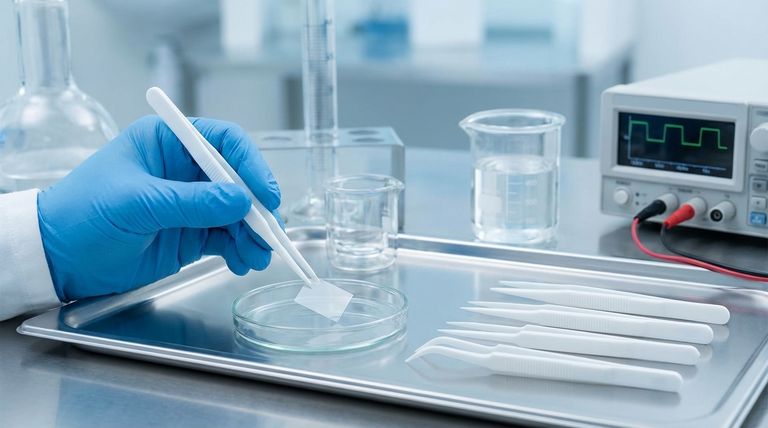
The Fundamental Properties of Virgin PTFE
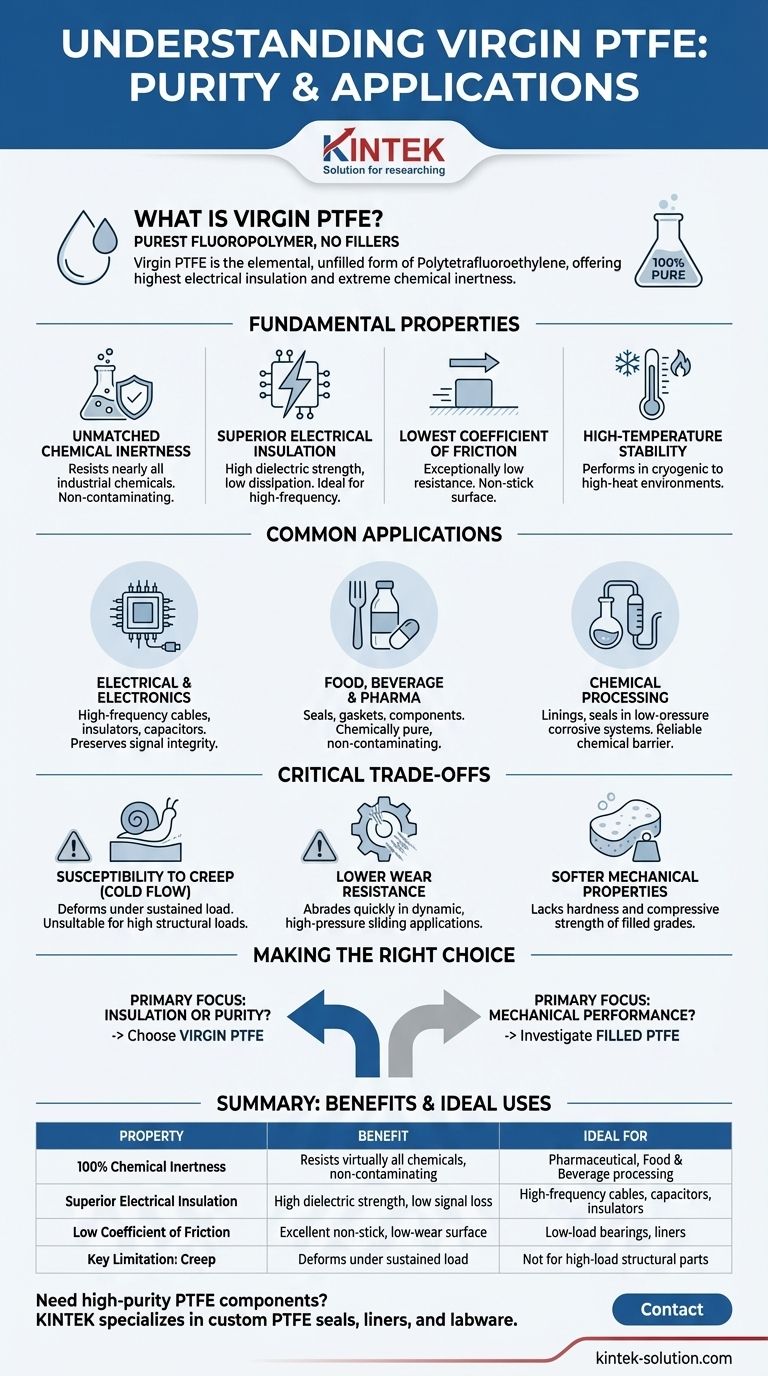
To understand its applications, we must first examine the core properties that stem from its 100% pure composition. These characteristics define its ideal use cases.
Unmatched Chemical Inertness
Virgin PTFE is almost completely inert, meaning it does not react with the vast majority of industrial chemicals. This makes it an ideal material for handling aggressive or corrosive substances.
Its purity also ensures that it does not contaminate the media it comes into contact with, a critical factor in sensitive industries.
Superior Electrical Insulation
Without fillers to interfere with its electrical properties, virgin PTFE exhibits an extremely high dielectric strength and a low dissipation factor.
This makes it one of the best insulators available, especially for high-frequency applications where signal loss must be minimized.
The Lowest Coefficient of Friction
Often recognized by its brand name Teflon, PTFE is famous for its non-stick surface. Virgin PTFE possesses an exceptionally low coefficient of friction, meaning other materials slide against it with very little resistance.
High-Temperature Stability
Like all PTFE grades, the virgin material can withstand a wide range of temperatures, performing reliably in both cryogenic conditions and high-heat environments.
Common Applications Where Purity is Paramount
The unique combination of properties in virgin PTFE makes it the first choice for several specialized industrial sectors.
Electrical and Electronics
Due to its stellar insulating capabilities, virgin PTFE is heavily used for high-frequency cables, wire insulation, capacitors, and complex electrical insulators. In these applications, preserving signal integrity is the primary goal.
Food, Beverage, and Pharmaceutical
The chemical purity and non-contaminating nature of virgin PTFE make it a standard material for seals, gaskets, and components in processing equipment. It can handle processing chemicals and cleaning agents without degrading or leaching into the product.
Chemical Processing
In low-pressure systems that handle highly corrosive chemicals, virgin PTFE is used for linings, seals, and gaskets. It provides a reliable barrier against chemical attack where mechanical stress is not the main concern.
Understanding the Critical Trade-offs
While its purity provides significant benefits, it also introduces clear limitations. Choosing virgin PTFE means accepting trade-offs in mechanical performance.
Susceptibility to Creep (Cold Flow)
The most significant weakness of virgin PTFE is creep, also known as cold flow. Under a sustained mechanical load, the material will slowly deform over time.
This makes it unsuitable for applications requiring high-load bearings or structural components where dimensional stability is critical.
Lower Wear Resistance
Compared to PTFE grades that have fillers like glass, carbon, or bronze, virgin PTFE has relatively poor wear resistance. In dynamic applications with sliding action and high pressure, it will abrade more quickly.
Softer Mechanical Properties
Overall, virgin PTFE is a relatively soft material. It lacks the hardness and compressive strength of filled grades, which are specifically engineered for greater mechanical robustness.
Making the Right Choice for Your Goal
Your material choice should be driven by the primary demand of your application. The distinction between virgin and filled PTFE is a classic engineering trade-off between purity and strength.
- If your primary focus is electrical insulation or chemical purity: Virgin PTFE is the definitive choice, as any filler would compromise these core properties.
- If your primary focus is mechanical performance under load: You must investigate filled PTFE grades, which are specifically engineered to resist creep and wear in structural or dynamic roles.
Understanding this fundamental difference allows you to select a material based on its inherent strengths, ensuring optimal performance for your specific engineering challenge.
Summary Table:
| Property | Benefit | Ideal For |
|---|---|---|
| 100% Chemical Inertness | Resists virtually all chemicals, non-contaminating | Pharmaceutical, Food & Beverage processing |
| Superior Electrical Insulation | High dielectric strength, low signal loss | High-frequency cables, capacitors, insulators |
| Low Coefficient of Friction | Excellent non-stick, low-wear surface | Low-load bearings, liners |
| Key Limitation: Creep | Deforms under sustained load | Not for high-load structural parts |
Need high-purity PTFE components for your critical application?
KINTEK specializes in precision manufacturing of custom PTFE seals, liners, and labware from virgin material. We ensure the chemical purity and electrical performance your semiconductor, medical, or laboratory processes demand.
Contact our experts today to discuss your project requirements, from prototypes to high-volume production.
Visual Guide
Related Products
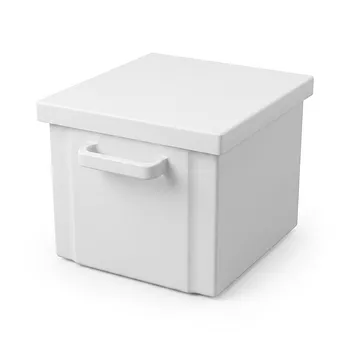
- High Purity Virgin PTFE Square Tank Corrosion Resistant Acid Soaking Vessel Custom Fluoropolymer Industrial Cleaning Tank
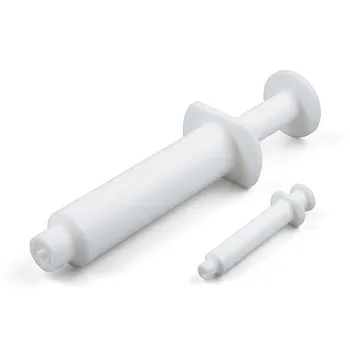
- High Purity PTFE Syringe 20ml Virgin Fluoropolymer Syringe Pump Compatible Chemical Resistant Sample Injection Tool
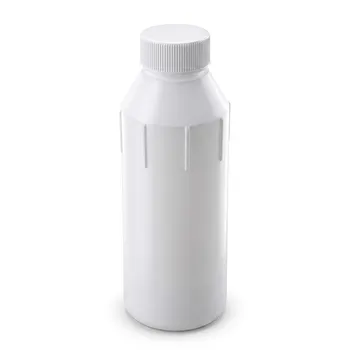
- High Purity PTFE Reagent Storage Bottle Chemical Resistant Teflon Plastic Low Background Virgin Material Vessel
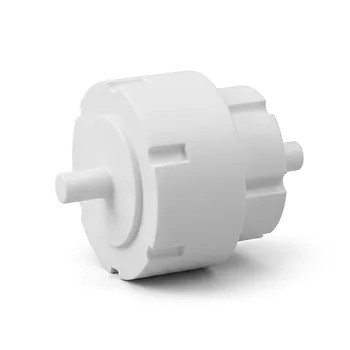
- Custom PTFE Vacuum Filter with Integrated Sieve Plate and Corrosion Resistant Particle Free Design for High Purity Water Quality Analysis
- PTFE PFA Vacuum Filtration System Corrosion Resistant Customizable Shatterproof Laboratory Device
People Also Ask
- What distinguishes Virgin PTFE from Reprocessed PTFE? Choose the Right Material for Your Application
- What is the maximum continuous operating temperature for virgin PTFE, and what considerations are necessary at this temperature? Designing for High-Temp Performance
- Why is virgin PTFE particularly suitable for food and medical applications? Ensuring Purity and Safety
- How can virgin PTFE be prepared for bonding? Achieve a Permanent, High-Strength Bond
- What are the advantages of virgin PTFE for industrial applications? Unmatched Purity & Performance