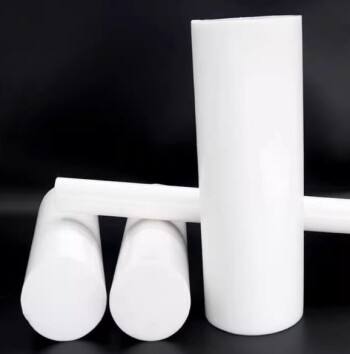
In short, Teflon is used almost everywhere. Its applications span industries from aerospace and chemical processing to medicine and consumer goods, most famously as the non-stick coating on cookware, but also in critical components like seals, electrical wire insulation, bearings, and medical catheters.
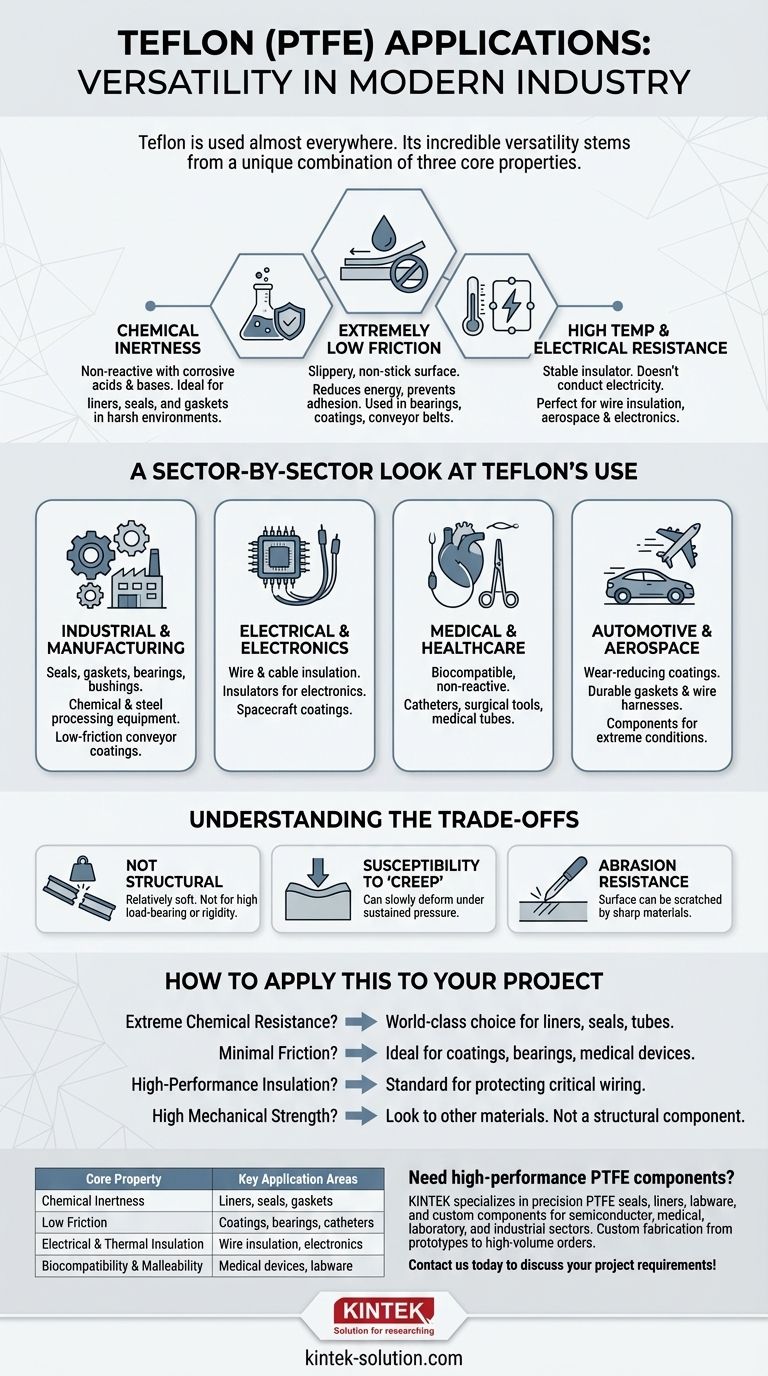
Teflon’s incredible versatility isn't an accident. It stems from a unique combination of three core properties: it is almost completely non-reactive with other chemicals, it has one of the lowest friction coefficients of any solid, and it is an excellent electrical and thermal insulator.
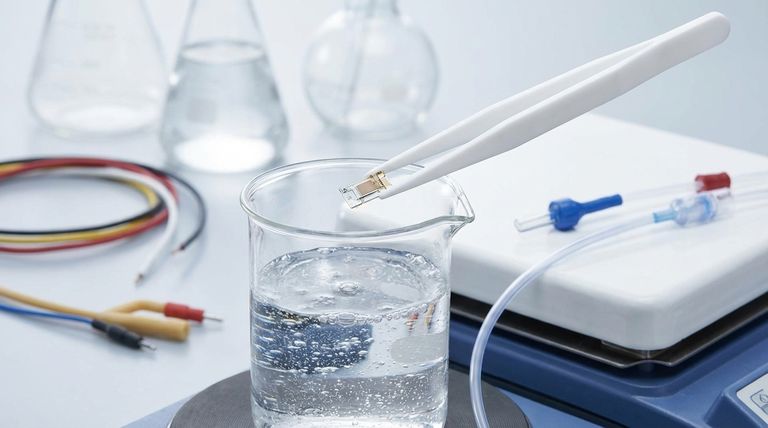
Why Teflon is So Versatile: The Core Properties
To understand where Teflon is used, you must first understand what makes it so uniquely capable. Its widespread adoption is a direct result of its fundamental material characteristics.
### Unmatched Chemical Inertness
Teflon (PTFE) is famously non-reactive. It can withstand highly corrosive acids and bases without degrading, making it invaluable in harsh environments.
This property is why it's chosen for liners in chemical storage tanks and pipes, as well as for seals and gaskets that will be exposed to aggressive substances.
### Extremely Low Friction
Teflon has an incredibly slippery, "non-stick" surface. This significantly reduces the energy required for parts to slide past each other and prevents materials from adhering to its surface.
This is the principle behind non-stick cookware, but it's also critical for industrial applications like low-friction bearings, self-lubricating seals, and easy-clean conveyor belts.
### High Temperature and Electrical Resistance
Teflon maintains its stability across a wide range of temperatures and does not conduct electricity. This makes it a superb and reliable insulator.
This is why it's a standard material for insulating high-performance electrical wires and cables, especially in demanding aerospace and electronics applications where reliability is paramount.
### Durability and Malleability
While not a high-strength structural material, Teflon is durable and can be easily machined into precise shapes like gaskets, insulators, and bearings.
This combination allows it to serve as a reliable component that conforms perfectly to industrial specifications.
A Sector-by-Sector Look at Teflon's Use
These core properties translate into specific, high-value applications across nearly every major industry.
### Industrial and Manufacturing
In industrial settings, Teflon is used for components that demand reliability under stress, such as seals, gaskets, bearings, and bushings in machinery.
Its chemical resistance makes it ideal for equipment in chemical and steel processing plants, while its low friction is perfect for coatings on conveyor systems.
### Electrical and Electronics
Due to its excellent dielectric properties, Teflon is a primary material for electrical insulation. It is commonly found coating wires and cables.
It is also used to create insulators and other components in electronics, from consumer devices to mission-critical spacecraft coatings.
### Medical and Healthcare
Teflon is biocompatible, meaning the human body does not react to it. This, combined with its low friction, makes it perfect for medical devices.
Common uses include catheters, surgical tools, and various medical tubes that require a smooth, non-reactive surface.
### Automotive and Aerospace
In both cars and planes, Teflon serves as a coating for various parts to reduce wear and friction. It is also used to make durable gaskets and wire harnesses.
Its ability to withstand extreme conditions makes it a trusted material for components in these high-performance environments.
Understanding the Trade-offs
Despite its versatility, Teflon is not the right choice for every situation. Its primary limitation is its mechanical strength.
### Not a Structural Material
Teflon is a relatively soft material. It is not suitable for applications that require high load-bearing capacity or structural rigidity, where a metal or hard plastic would be necessary.
### Susceptibility to "Creep"
Under sustained pressure, Teflon can slowly deform over time, a phenomenon known as "creep." This must be accounted for in the design of long-term seals or bearings under constant load.
### Abrasion Resistance
While it has high wear resistance in low-friction scenarios, its surface can be scratched or damaged by sharp or abrasive materials, as anyone with a metal utensil and a non-stick pan knows.
How to Apply This to Your Project
Your choice of material depends entirely on the primary problem you need to solve. Teflon excels where its unique properties are the dominant requirement.
- If your primary focus is extreme chemical resistance: Teflon is a world-class choice for creating liners, seals, or tubes that will not degrade.
- If your primary focus is minimal friction: Its non-stick surface is ideal for coatings, bearings, and medical devices where slipperiness is key.
- If your primary focus is high-performance electrical insulation: Its dielectric properties make it a standard for protecting critical wiring in demanding environments.
- If your primary focus is high mechanical strength: You should look to other materials, as Teflon is not designed to be a primary structural component.
Understanding these core strengths and weaknesses is the key to seeing why Teflon is a quiet, but essential, component in so much of the modern world.
Summary Table:
| Core Property | Key Application Areas |
|---|---|
| Chemical Inertness | Chemical processing liners, seals, gaskets |
| Low Friction | Non-stick coatings, bearings, medical catheters |
| Electrical & Thermal Insulation | Wire insulation, electronic components |
| Biocompatibility & Malleability | Medical devices, machined seals, labware |
Need high-performance PTFE components tailored to your application? KINTEK specializes in manufacturing precision PTFE seals, liners, labware, and custom components for the semiconductor, medical, laboratory, and industrial sectors. We offer custom fabrication from prototypes to high-volume orders, ensuring your parts meet exact specifications for chemical resistance, low friction, and insulation. Contact us today to discuss your project requirements!
Visual Guide
Related Products
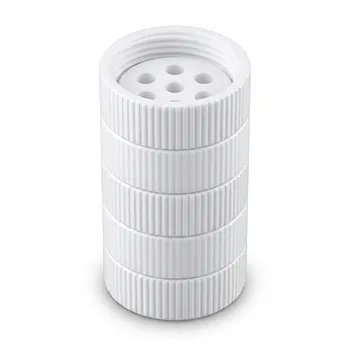
- Custom PTFE Filtration System Acid Resistant High Purity Semiconductor Grade Chemical Processing Filter
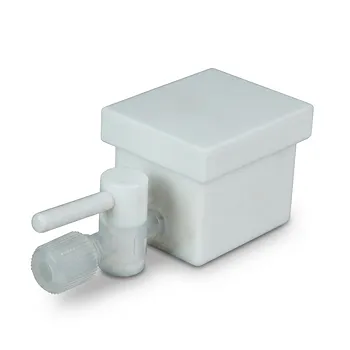
- High Corrosion Resistant PTFE Faucet Polytetrafluoroethylene Valve for Chemical Storage Drums and Fluid Transfer Systems Customizable Industrial Grade
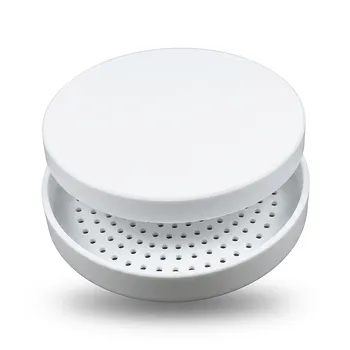
- PTFE PFA Vacuum Filtration System Corrosion Resistant Customizable Shatterproof Laboratory Device
- PTFE Corrosion Resistant Filter with PFA Valve Connections and Integrated Sieve Plate
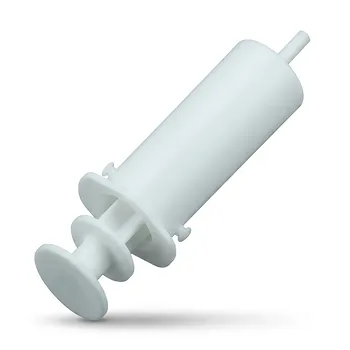
- High Temperature Chemical Resistant 50ml PTFE Syringe Customized Teflon Injector with Threaded Seal for Trace Analysis
People Also Ask
- What makes PTFE filtration systems advantageous for industrial and scientific use? Unmatched Chemical & Thermal Stability
- What steps are involved in selecting the proper PTFE filter? A 4-Step Guide to Optimal Filtration
- What sizes and pore options are available for PTFE filters? Choose the Right Filter for Your Application
- What temperature resistance do PTFE filters offer? Unmatched Thermal Stability from -200°C to +260°C
- How does the hydrophobicity of PTFE filters benefit their use? Ensure Uninterrupted Gas Flow and Solvent Filtration